
Medical Association demands complete single-use plastic ban to tackle Ghana's dual health and flooding crisis
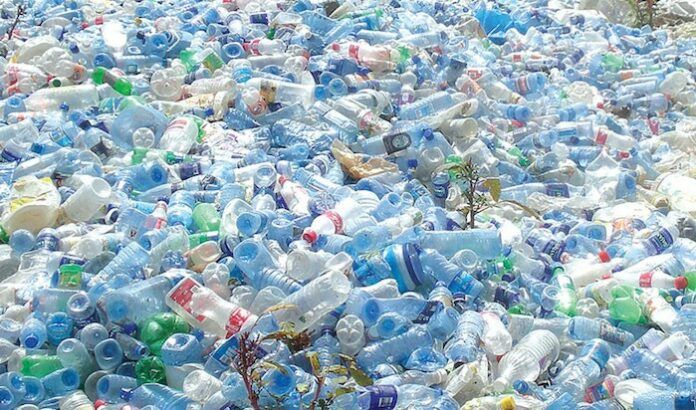

Ghana's healthcare leaders have escalated calls for comprehensive action on plastic waste, demanding that the government's planned Styrofoam ban be expanded to cover all single-use plastics. The Ghana Medical Association argues that such a move is critical to addressing both a severe public health crisis and Ghana's worsening urban flooding problem.
At the Association's 26th Public Lecture in Koforidua, President Professor Dr. Med Ernest Yorke outlined how single-use plastics have become a dual threat: they contaminate the food Ghanaians eat and clog the drainage systems that should protect cities from flooding. The timing of the call is particularly significant, coming as the country grapples with destructive seasonal rains that have highlighted systemic failures in waste management.
The health and environmental case for a broader ban
Styrofoam and other single-use plastics do not simply disappear after use. When discarded carelessly—as happens across Ghana's cities and towns—they accumulate in drains and waterways. During heavy rainfall, these blockages prevent stormwater from flowing away efficiently, trapping water on streets and in homes. The result is more severe flooding, damaged infrastructure and increased disease transmission.
Beyond flooding, Professor Yorke emphasised that plastic packaging poses direct health risks. Chemicals from degrading plastics can leach into food, particularly items stored in Styrofoam containers or other plastic packaging exposed to heat or moisture. For a nation already struggling with food safety, this contamination adds another layer of preventable disease.
The Environmental Protection Agency's decision to phase out Styrofoam was a step in the right direction, Professor Yorke acknowledged. However, he argued that a partial ban leaves the core problem unsolved. A comprehensive ban on single-use plastics, paired with investment in sustainable alternatives, improved waste collection systems, public education campaigns and rigorous enforcement, could deliver transformative results.
Why it matters for Ghana
Food safety emerged as a critical concern at the lecture, with experts highlighting the breadth of contamination threats facing Ghanaians. Beyond plastic chemicals, speakers pointed to heavy metals from illegal mining activities, aflatoxin from poorly stored grains and other hazardous substances now routinely found in the food supply. These contaminants drive stunted growth in children, reproductive problems, infertility and non-communicable diseases that burden Ghana's healthcare system.
Professor Angela Parry-Hanson Kunadu of the University of Ghana drew particular attention to galamsey—illegal small-scale mining—as a source of lead and other metals entering the food chain. The Deputy Chief Executive of the Food and Drugs Authority, Roderick Kwabena Daddey-Adjei, urged consumers to purchase from approved sources and reaffirmed the FDA's commitment to enforcement, but acknowledged that current standards are not being consistently met.
For Ghana, implementing the GMA's recommendations would require careful planning. Food vendors and small businesses rely on affordable packaging; a sudden transition without affordable alternatives could disrupt livelihoods. The medical association therefore called for a phased approach that balances public health protection with support for local industries and innovation in sustainable materials.
Stakeholders at the lecture—government agencies, regulators, food producers and consumer groups—were urged to strengthen collaboration. Ghana's plastic crisis and food safety failures are not problems any single actor can solve alone. What is needed is coordinated action: government setting and enforcing standards, industry innovating and adapting, and citizens demanding better. The next step is for government to demonstrate whether it is ready to listen.
Source: The Ghana Report





Comments (0)
Be the first to comment.