Male Stylists Face Sexuality Stereotypes in Ghana's Fashion Industry, Says Top Stylist Keliiy Morgan
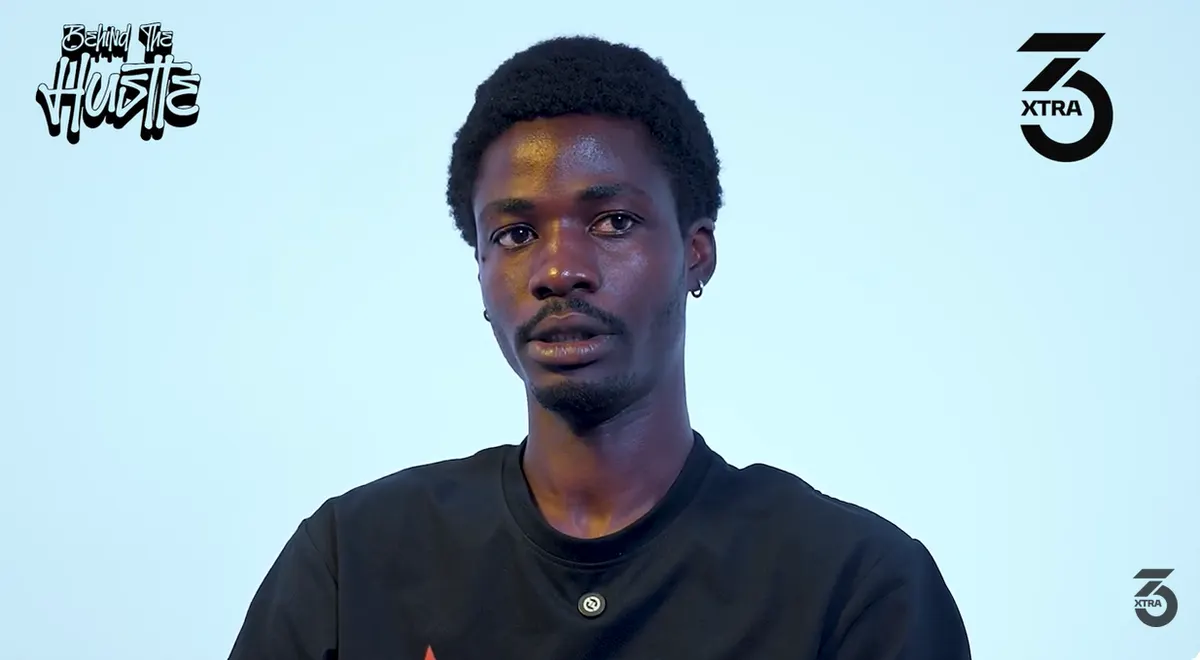
Fashion stylist Keliiy Morgan has publicly addressed long-standing stereotypes within Ghana's styling and fashion industry, challenging assumptions about the sexuality of male professionals in the creative sector. In a candid discussion, Morgan clarified misconceptions that have dogged his career, emphasising that professional expertise and personal identity are distinct matters that should not be conflated.
Morgan's intervention comes amid broader conversations about gender roles and sexuality in Ghana's growing creative industries. The fashion and styling sector, particularly in Accra's vibrant scene, has increasingly attracted male professionals who bring diverse perspectives to wardrobe curation, brand styling, and image consulting. However, these professionals often contend with outdated assumptions rooted in social conservatism.
Industry Stereotypes and Professional Identity
The stylist highlighted how male practitioners in fashion styling frequently face invasive questions about their personal lives, with industry colleagues and clients making unwarranted assumptions based purely on their choice of career. Such stereotyping undermines professionalism and creates a hostile work environment where talent is secondary to unfounded social judgments.
Morgan's experience reflects a broader pattern in Ghana's creative economy, where traditional gender roles persist despite the sector's modernisation. Female stylists, photographers, and designers have long established credibility in the industry, yet male counterparts navigating the same field encounter scrutiny that female professionals rarely experience. This asymmetry reveals how deeply gendered expectations influence professional spaces that should prioritise skill and creativity above all else.
The Cost of Workplace Betrayal
Beyond addressing sexuality misconceptions, Morgan also spoke candidly about experiences of betrayal within his professional network. Trust, he noted, is fundamental to styling relationships—clients rely on stylists' discretion, vision, and loyalty. When that trust fractures, it damages not only individual careers but the entire professional ecosystem.
Workplace betrayal in Ghana's creative industries often stems from fierce competition for clients, collaboration opportunities, and visibility. In styling circles, where relationships directly translate to business, breaches of confidence can have lasting reputational consequences. Morgan's willingness to discuss this aspect of his journey underscores the interpersonal challenges that complement technical skill in the fashion sector.
Why This Matters for Ghana's Creative Economy
Morgan's statement is significant for Ghana's evolving cultural landscape and professional development. As the country positions itself as a creative hub in West Africa, attracting international collaborations and investment in entertainment, fashion, and design, the industry must become more inclusive and merit-based. Stereotyping based on perceived sexuality or gender presentation wastes talent and perpetuates discrimination that contradicts Ghana's progressive constitutional values.
The fashion and styling sector is a revenue-generating component of Ghana's creative economy, employing thousands and contributing to the country's soft power internationally. When professionals face barriers based on social prejudice rather than competence, the entire sector loses potential innovation and excellence. Supporting professionals regardless of their personal identity or lifestyle choices strengthens the industry's competitive edge.
Furthermore, Morgan's visibility as an accomplished stylist willing to address these issues publicly sends an important signal to younger creatives entering the field. It validates their right to pursue their passions without invasive questioning and establishes a precedent for professionalism based on output, not stereotypes.
As Ghana's creative industries continue to mature and attract global attention, conversations like Morgan's become essential for building workplaces where talent thrives and diversity of thought—and identity—is genuinely valued. The fashion industry, in particular, has long been a space for creative expression and boundary-pushing aesthetics; it should logically extend that openness to the professionals who shape it.
Source: 3News

Comments (0)
Be the first to comment.