
Mahama Demands Urgent Refereeing Overhaul to Save Ghana Premier League from Collapse


President John Dramani Mahama has sounded the alarm on Ghana's football crisis, attributing the deterioration of the Ghana Premier League to a combination of poor refereeing standards and the premature exodus of talented players seeking opportunities abroad. The President's intervention signals growing frustration at the highest levels of government over the state of the nation's most popular sport.
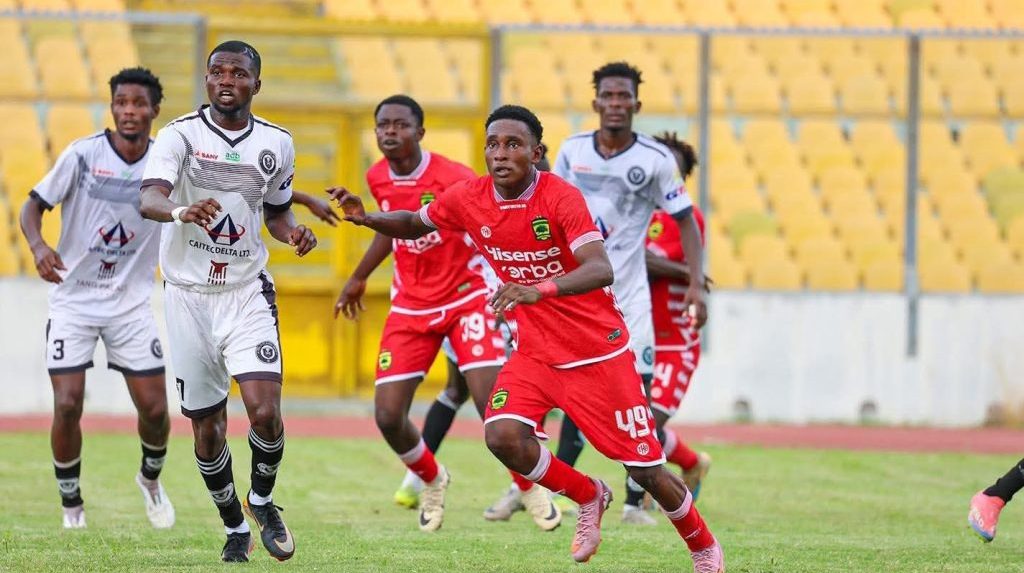
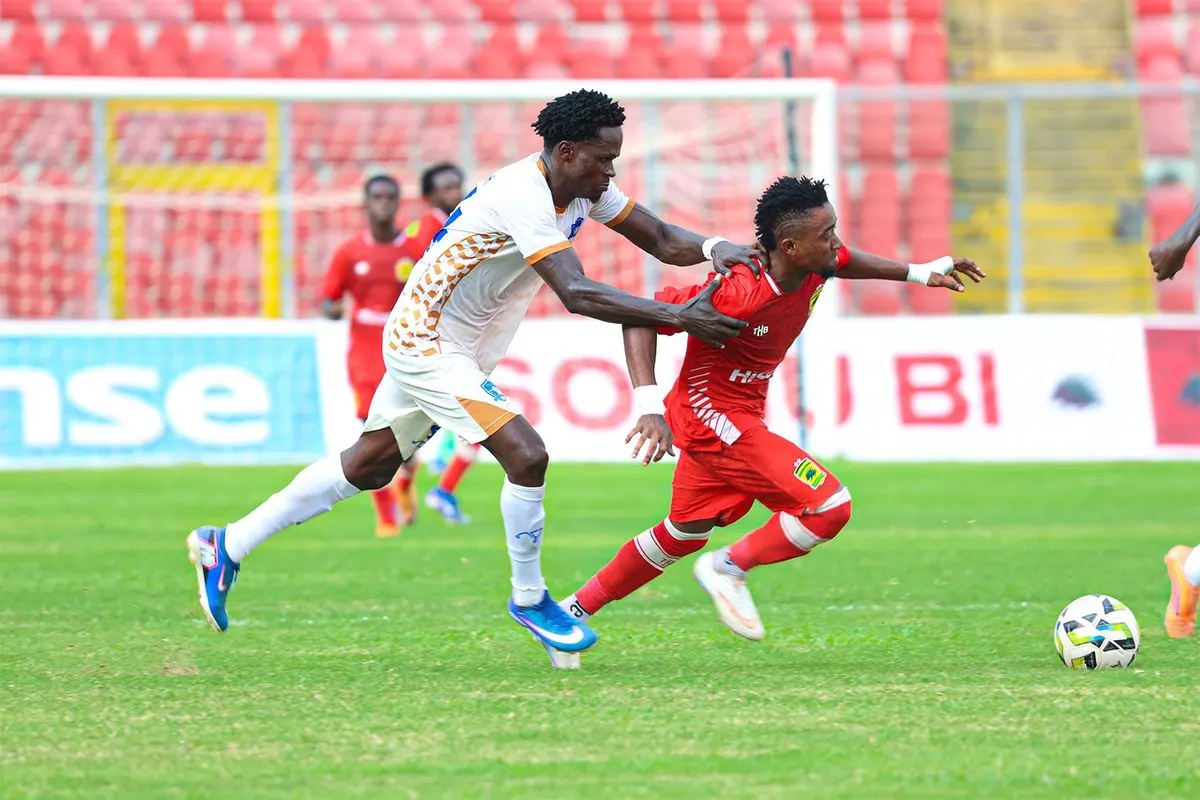
Speaking on the issue, Mahama highlighted that inconsistent and questionable officiating decisions are eroding public confidence in domestic competition. He argues that when matches are decided by poor calls rather than superior play, it undermines the integrity of the league and accelerates the departure of skilled footballers who lose faith in a level playing field. This creates a vicious cycle: declining quality drives away audiences and sponsors, which in turn reduces investment in player development and retention.
The Brain Drain Problem
Ghana has long struggled with the departure of its best footballers to leagues in Europe, Asia and other regions offering higher wages and greater exposure. While international movement is natural in professional football, Mahama's concern reflects a real challenge: when the Ghana Premier League loses its most marketable stars too quickly, the domestic product suffers. Young players who should be developing their craft in a competitive local environment instead chase quick moves abroad, often before they are ready for international demands.
This exodus has weakened Ghana's domestic competition structure, making it harder for emerging talent to sharpen their skills against world-class opponents. The result is a league that struggles to attract investment, sponsorship and viewer engagement—creating fewer opportunities for the next generation of players.
Why it Matters for Ghana
Football is woven into Ghana's national identity and remains the country's most unifying sport. The Ghana Premier League serves as both entertainment for millions and a pathway to economic mobility for countless young Ghanaians. When the league deteriorates, it has ripple effects across society: reduced employment for players, coaches and support staff; diminished revenue for clubs and local economies; and fewer role models for youth development programmes.
Additionally, a weakened domestic league makes it harder for Ghana's national teams—the Black Stars and others—to maintain competitive quality at continental and global levels. The Premier League is supposed to be the training ground where national team players remain match-sharp. Without strong domestic competition, Ghana's international football ambitions suffer.
Mahama's call for refereeing reforms signals that government recognises its role in supporting the structural integrity of professional football. Addressing officiating standards would require investment in referee training, technology (such as Video Assistant Referee systems where feasible) and accountability mechanisms. Simultaneously, creating incentives for players to remain in the domestic league—through improved club infrastructure, fan engagement and competitive wages—could help reverse the brain drain.
The Road Ahead
For these reforms to gain traction, Ghana Football Association leadership will need to work closely with government, club owners and international football bodies. The challenges are significant but not insurmountable: neighbouring countries have implemented refereeing reforms and improved league standards through systematic investment and governance improvements.
If addressed comprehensively, better officiating combined with strategic retention measures could restore faith in the Ghana Premier League, attract investment, and create a more robust platform for developing the next generation of football talent.
Source: 3News


Comments (0)
Be the first to comment.