Mahama Charts Bold Path to Triple TOR's Output, Positioning Ghana as West Africa's Refining Hub
President John Mahama has set an ambitious new course for Ghana's petroleum industry, directing the Minister for Energy and Green Transition and the leadership of Tema Oil Refinery (TOR) to develop a strategic roadmap for tripling the refinery's daily crude processing capacity to 100,000 barrels. The directive marks a significant shift in the government's industrial strategy and reflects confidence in revitalising one of Ghana's key energy assets.
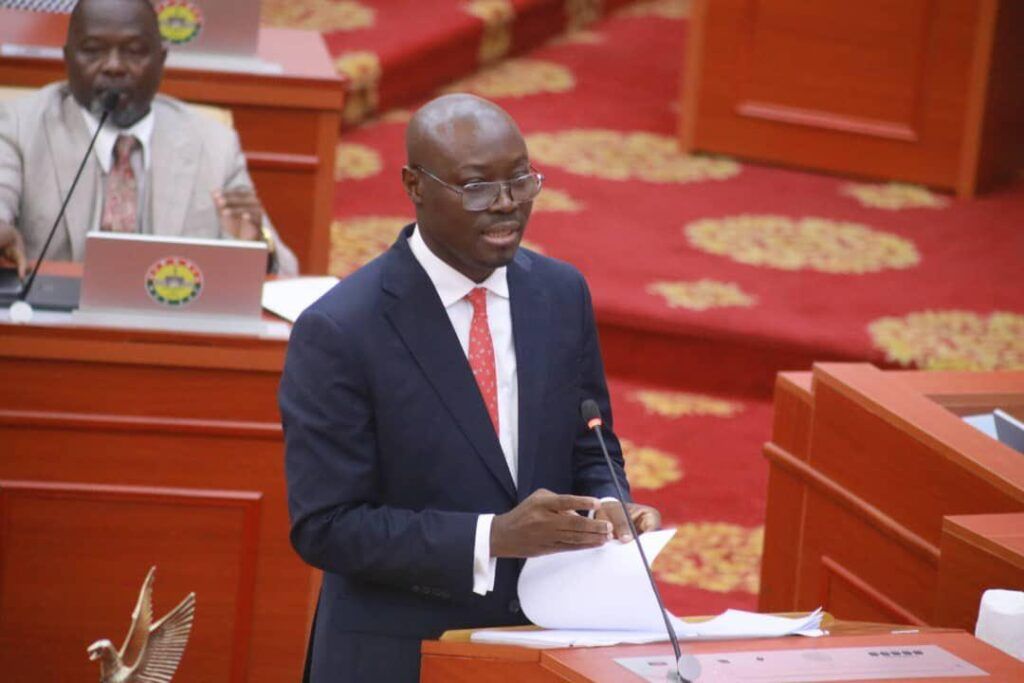
The announcement came on Saturday, August 1, during the official commissioning of the refurbished refinery at the Tema Industrial Enclave. The occasion coincided with a notable operational achievement: TOR successfully processing one million barrels of locally sourced Jubilee Field Medium Sweet Crude into finished petroleum products, demonstrating renewed capacity after previous operational challenges.
More Than Restoration: A Competitive Vision
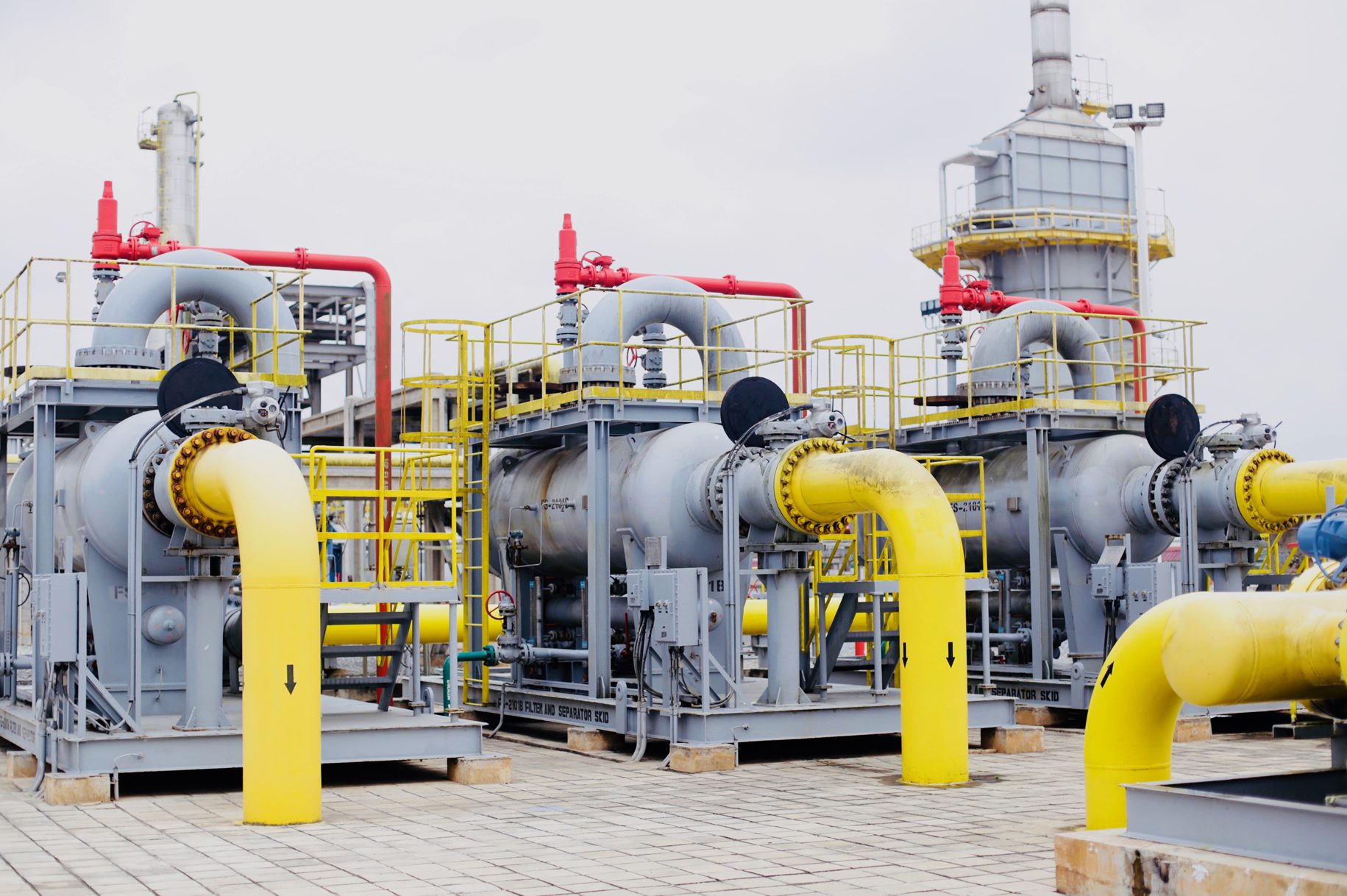
President Mahama emphasised that the government's ambition transcends merely keeping TOR operational. Speaking at the commissioning event, he articulated a vision of transformation centred on efficiency, commercial competitiveness and financial sustainability. The refurbishment itself—which involved restoration of the Crude Distillation Unit, rehabilitation of the Residual Fluid Catalytic Cracking Unit, installation of a new F-61 crude heater and return of Boiler No. 8 to service—represents the foundation upon which broader expansion will be built.
The President outlined concrete immediate steps to support round-the-clock operations, which TOR is already undertaking. The government plans to roll out targeted incentives for businesses operating 24 hours daily, including tax relief, preferential energy tariffs and duty-free importation of capital equipment for plant expansion. These measures aim to stimulate industrial activity and maximise the economic benefits of continuous refinery operations.
Infrastructure improvements are also central to the roadmap. Upgrades to TOR's Single Buoy Mooring (SBM) infrastructure will enhance crude oil offloading efficiency, whilst institutional reforms will insulate the refinery from political interference and ensure operational stability over the long term.
Why This Matters for Ghana
Ghana's petroleum sector has long been plagued by inefficiencies and underutilisation. With proven reserves from fields such as Jubilee, Twopim and Aker, the country has significant crude oil production capacity. However, the refining infrastructure has historically struggled, forcing Ghana to import substantial quantities of refined petroleum products at considerable foreign exchange cost. A functional, expanded refinery addresses this structural weakness.
The planned expansion positions Ghana strategically within the West African energy landscape. By establishing itself as a regional petroleum refining, storage and logistics hub, Ghana would capture value-added processing work currently undertaken elsewhere, generate foreign exchange through refined product exports and strengthen energy security across the sub-region. This aligns with broader government priorities including the 24-Hour Economy policy, the Accelerated Export Development Programme and Ghana's role in the African Continental Free Trade Area (AfCFTA).
For manufacturing and industrial sectors, reliable domestic access to refined fuels at competitive prices reduces production costs and improves competitiveness. Job creation through refinery expansion and associated downstream industries would support employment across skilled and unskilled labour categories. Energy security improvements are particularly critical given the region's vulnerability to supply disruptions and price volatility.
Challenges Ahead
Realising this vision requires sustained investment, technical expertise and stable governance. The government's commitment to institutional reform and protection from political interference will be tested. Capital requirements for capacity expansion are substantial, and securing appropriate financing and technology partnerships will be essential. Equally important is maintaining operational discipline and investment in skilled personnel to manage an expanded facility.
The roadmap development process now underway will determine the feasibility of the 100,000 barrel-per-day target and the timeline for achievement. Success will require coordination across multiple government agencies, transparent procurement processes and consistent policy backing across electoral cycles.
Source: MyJoyOnline

Comments (0)
Be the first to comment.