Less Talk, More Impact: Kafui Dey's Masterclass on Professional MC Excellence

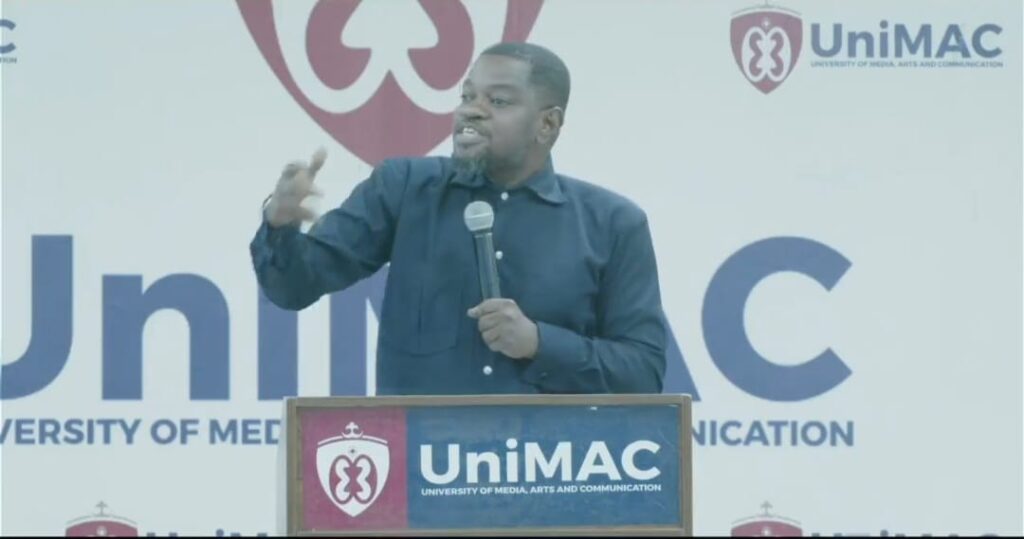
Kafui Dey, a seasoned Master of Ceremonies with over three decades of experience in Ghana's events industry, has issued a candid call to his peers to fundamentally rethink their approach to hosting. His core message is deceptively simple but rarely practised: an MC's job is to serve the event and its speakers, not to build a personal brand at the podium.
The veteran broadcaster, who transitioned into full-time MC work after 17 years in sales, believes the industry has lost sight of this principle. Too many contemporary MCs, he argues, prioritise visibility and self-promotion over the seamless execution that makes events memorable. "They talk too much. They need to reduce the talking," Dey stated bluntly, highlighting a pattern where hosts overshadow the very occasions they are hired to facilitate.
The Art of Invisible Excellence
Dey's philosophy centres on a counterintuitive truth: the best MCs are often the ones no one remembers—because the event itself shines. Rather than commanding attention, skilled hosts should create psychological comfort for audiences and speakers alike, allowing the focus to remain where it belongs.
One of his most telling observations involves the paradox of success. When a banking executive, after a flawlessly hosted event, mistakenly asks Dey which bank he works for, it signals the ultimate compliment. The MC has become so integrated with the organisation's brand that attendees have conflated him with the institution itself. This is the hallmark of professional excellence—not personal recognition, but institutional elevation.
Dey also critiqued a practice that has become common among struggling MCs: publicly announcing their phone numbers on stage to solicit future bookings. "You're trying to secure the next job. No," he said dismissively. This desperate approach, he argues, undermines professional credibility and misses the point entirely. Quality work generates its own demand; organisers satisfied with a host's performance will actively seek them out without prompting.
Building a Reputation Without Self-Promotion
Instead of chasing visibility, Dey recommends a more sophisticated strategy: requesting testimonials. He advises MCs to ask event organisers to record brief, one-minute video endorsements highlighting the host's name, the client company, and specific strengths. These authentic third-party validations carry far more weight than any self-proclaimed credentials and serve as powerful marketing assets that align the MC's reputation with client satisfaction rather than personal assertion.
What This Means for Ghana's Events Industry
Dey's intervention arrives at a moment when Ghana's events sector is growing rapidly, with corporate functions, conferences, and entertainment-driven gatherings becoming increasingly professional and competitive. His warnings are particularly relevant for emerging MCs hoping to establish themselves in Accra and beyond. As the industry matures, clients are likely to value restraint, professionalism, and speaker-centric hosting over showmanship and self-aggrandisement.
The advice also reflects broader shifts in professional communication, where authenticity and client-centricity are replacing older models of personal promotion. For event organisers, Dey's insights offer a framework for evaluating MC talent: the best candidates will ask thoughtful questions about the event's objectives, speakers, and audience rather than discussing their own visibility or fee structures.
Dey's journey itself—beginning accidentally when a French employer drafted him to host a company event—underscores the role of opportunity and readiness. His evolution into a sought-after professional suggests that excellence and discretion, applied consistently over decades, build sustainable careers without the need for on-stage self-promotion.
Source: MyJoyOnline

Comments (0)
Be the first to comment.