Laboma Beach demolition begins as military enforces Kpeshie Lagoon buffer zone clearance
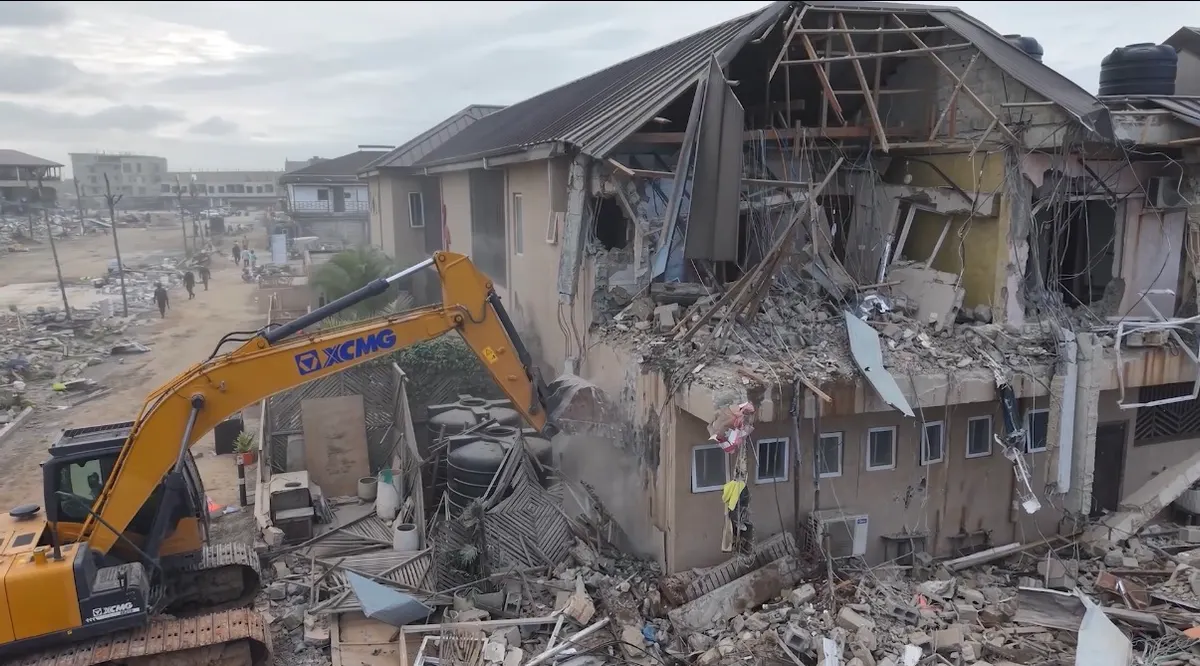
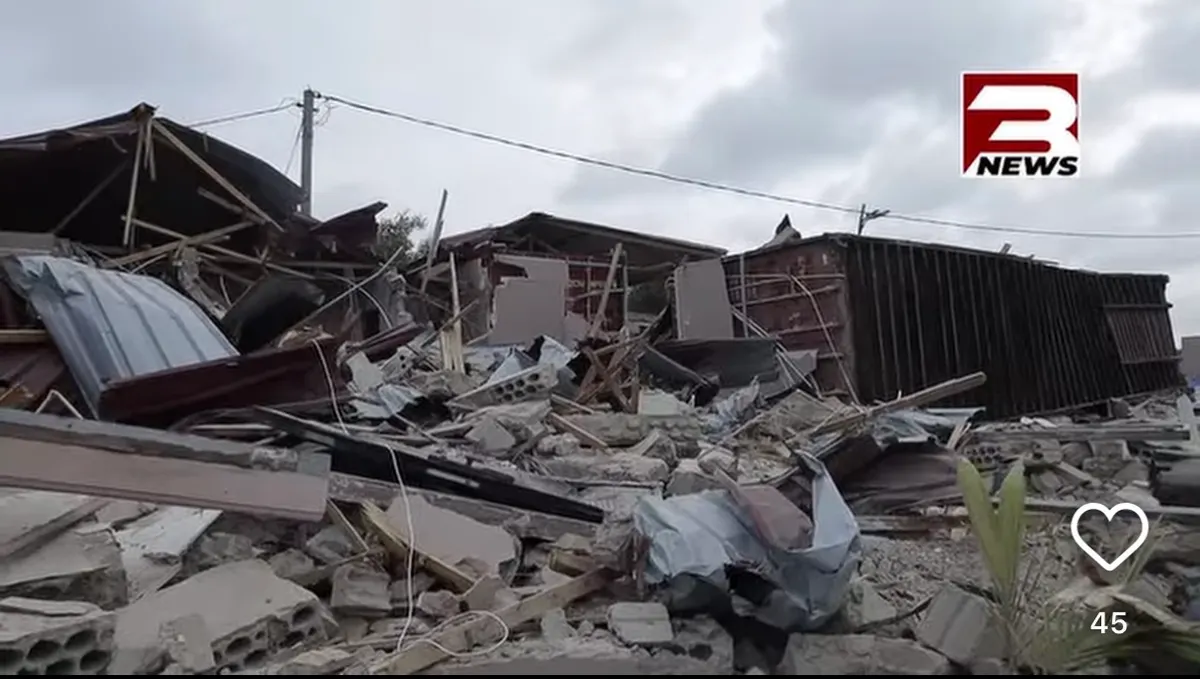
Military personnel have begun demolishing structures at Laboma Beach in what authorities describe as an enforcement action to protect the Kpeshie Lagoon buffer zone. The operation follows an eviction notice issued by the Regional Security Council (REGSEC), marking an intensification of efforts to reclaim and preserve the environmentally sensitive wetland area.
The demolition represents a significant step in a long-running dispute over land use around the Kpeshie Lagoon, one of Ghana's important coastal ecosystems. Laboma Beach, a popular recreational and commercial spot in the Greater Accra Region, has seen informal structures and businesses operate in areas designated as protected buffer zones meant to safeguard the lagoon's ecological integrity.
Why this matters for Ghana
The Kpeshie Lagoon serves critical environmental functions, including serving as a breeding ground for fish species and providing coastal protection against storm surge and erosion. Uncontrolled development in buffer zones threatens these benefits, which ultimately affect fishing communities and residents across the coastal regions.
This enforcement action signals renewed governmental commitment to environmental protection, though it also raises questions about livelihoods for those operating informal businesses along the beach. The operation reflects broader national concerns about balancing coastal development with ecological preservation—a tension that affects multiple communities across Ghana's shoreline.
The eviction and enforcement process
REGSEC, the body responsible for coordinating security and regional governance matters, issued the eviction notice that preceded the demolition. Such notices typically follow extended periods of warnings and attempts to encourage voluntary compliance. The decision to deploy military personnel for enforcement suggests authorities consider the situation urgent enough to warrant mobilisation of security forces.
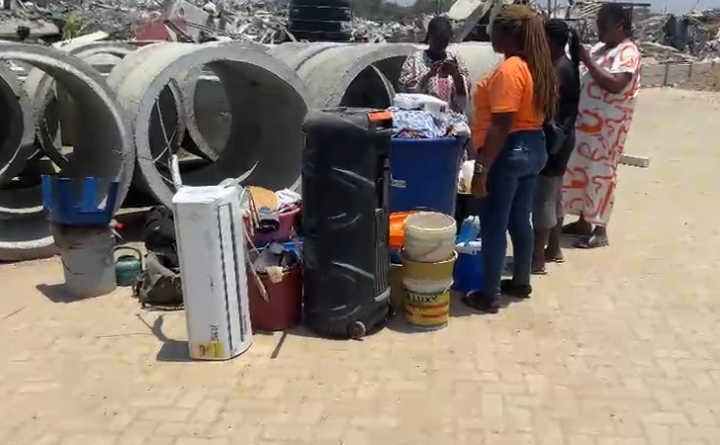
Residents and business operators in the affected areas have had varying degrees of notice, though the timeline and compensation arrangements remain unclear from current information. Such evictions often create tensions between environmental protection mandates and the immediate economic hardship faced by affected parties.
Broader coastal management challenges
Ghana's coastline faces mounting pressure from population growth, tourism development, and informal settlement expansion. The Kpeshie Lagoon buffer zone clearance is one of several similar initiatives undertaken by authorities to enforce environmental protection laws that have been repeatedly violated over decades.
The demolition comes amid wider discussions about Ghana's coastal vulnerability to climate change impacts, including rising sea levels and increased flooding. Environmental experts argue that protecting natural buffers like lagoon zones is essential for long-term coastal resilience and food security for communities dependent on fishing.
The operation at Laboma Beach will likely serve as a test case for how consistently authorities can enforce environmental regulations against entrenched informal economic activity in coastal zones—an ongoing challenge for policymakers balancing development, conservation, and social welfare.
Source: 3News

.jpg)
Comments (0)
Be the first to comment.