Kpeshie Lagoon set for major ecological rebirth as illegal structures torn down
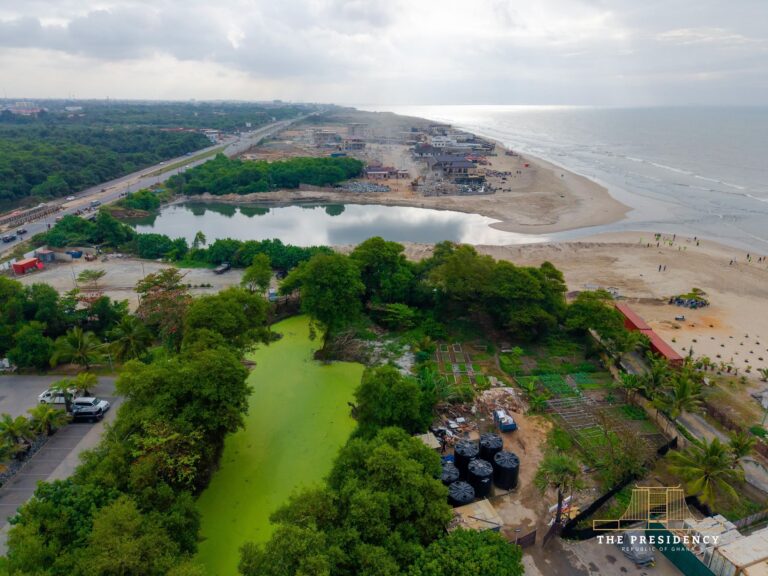
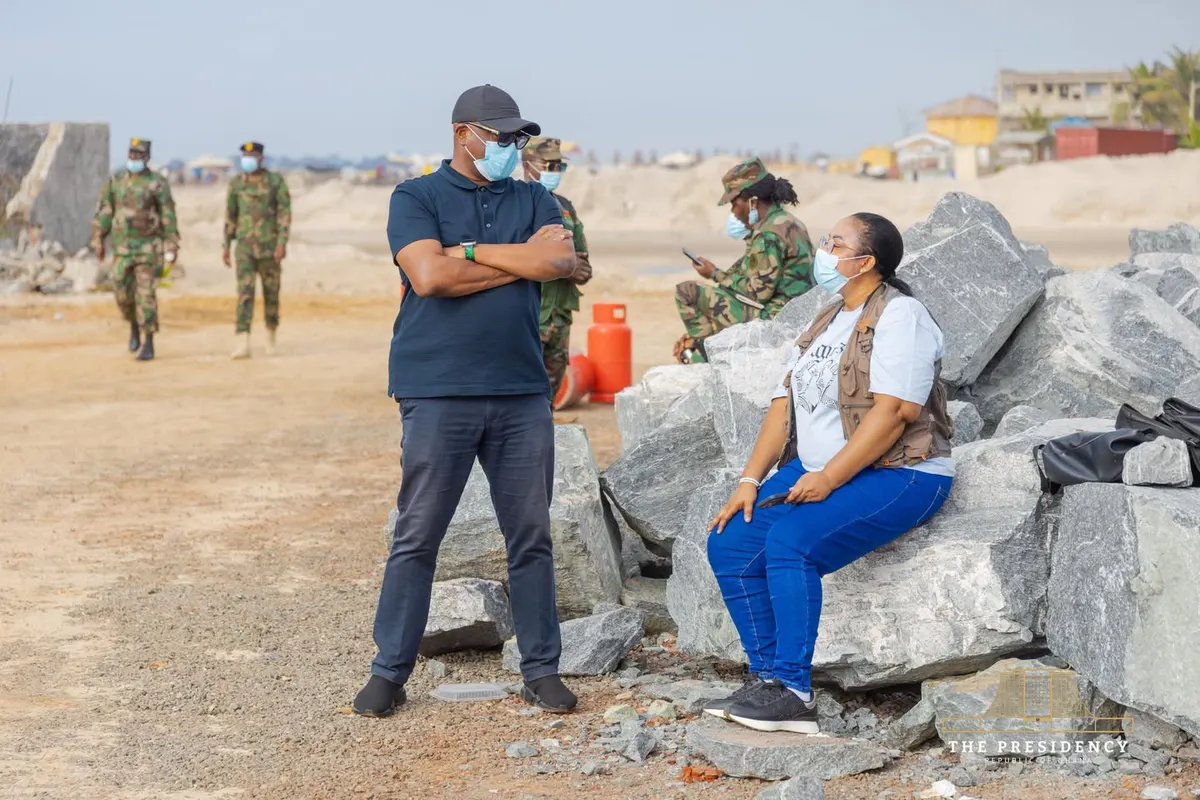
The Kpeshie Lagoon, a vital natural infrastructure protecting Accra from flooding, is entering a critical rehabilitation phase following the removal of illegal structures that have choked its protected buffer zone. Deputy Chief of Staff Stan Xoese Dogbe has ordered the Greater Accra Regional Coordinating Council to immediately begin restoration of sections that encroachers have reclaimed and filled, marking a significant shift in how the government is tackling the city's chronic flooding problem.
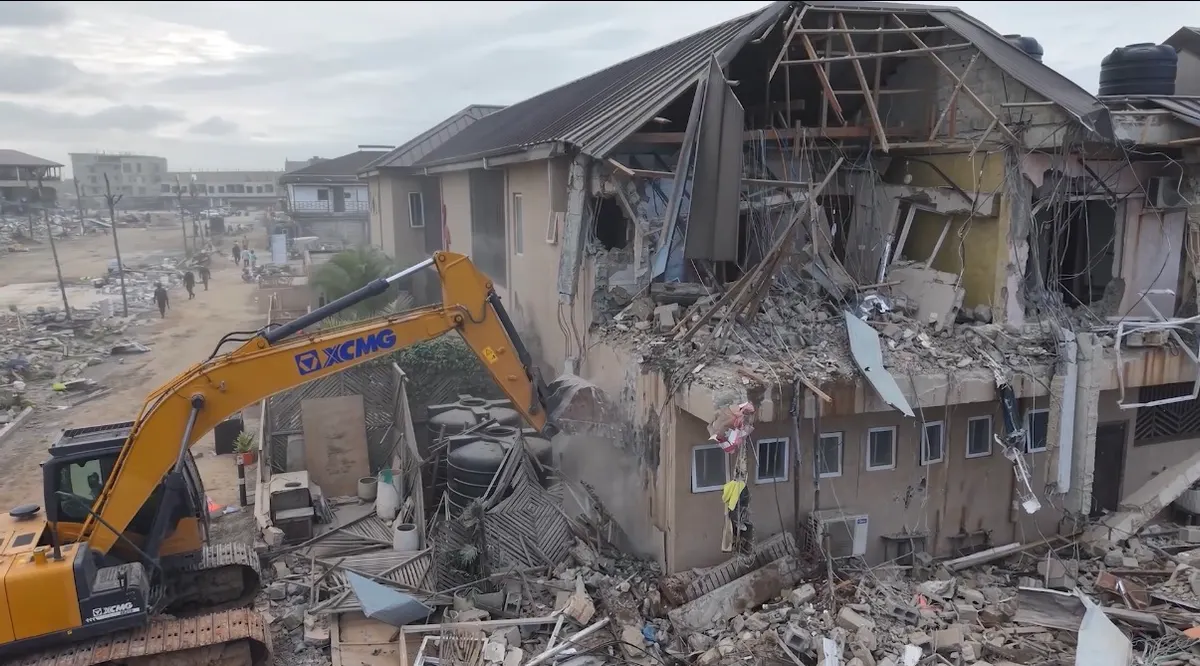
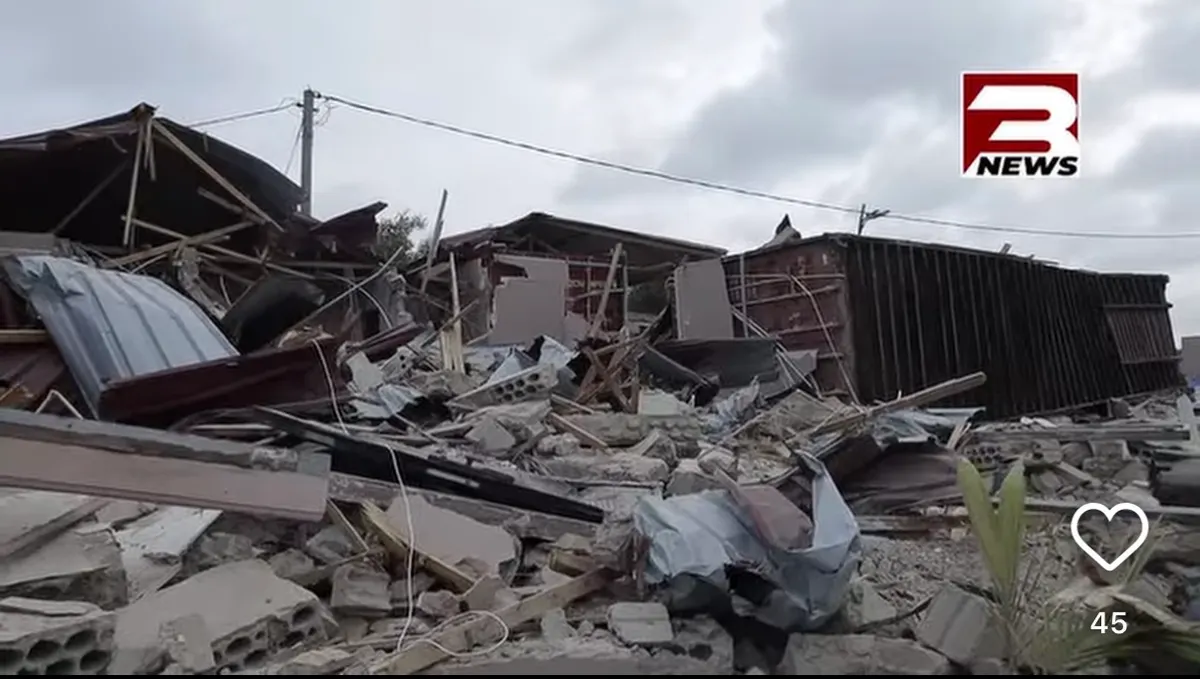
The restoration work follows a demolition exercise at Laboma on 13 September by the Post Flood Mitigation Task Force, which systematically removed unpermitted buildings and infrastructure from the lagoon's protected area. Rather than leaving the cleared land bare, authorities are planning a comprehensive replanting programme involving the Forestry Commission and Environmental Protection Agency, with coconut trees and other native vegetation selected to stabilise the wetland and restore its ecological function.
Why it matters for Ghana
For Accra residents, this project directly addresses one of the city's most pressing challenges: devastating seasonal floods that destroy homes, damage infrastructure and disrupt livelihoods. The Kpeshie Lagoon functions as a natural sponge, absorbing excess rainwater during downpours and gradually releasing it, thereby protecting low-lying communities from inundation. Decades of illegal land reclamation—where developers and residents have dumped sand and concrete to create buildable plots—have severely degraded this capacity. By restoring the lagoon's ability to hold water, authorities are investing in flood prevention that could save lives and property across multiple Greater Accra neighbourhoods.
The ecological restoration also has broader environmental implications. Lagoons support critical ecosystems, providing habitat for fish, birds and other wildlife while filtering pollutants from urban runoff. Rehabilitation signals a recognition that nature-based solutions—rather than only engineered drainage—are essential to managing climate-driven weather extremes becoming more common across West Africa.
The restoration roadmap
The rehabilitation programme is structured in phases. First, contractors will clear accumulated debris from reclaimed sections. Second, crews will remove sand fill and other materials used to artificially raise the lagoon bed. Third, native vegetation will be planted to stabilise banks, prevent future erosion and restore the lagoon's filtering function. The Forestry Commission and EPA involvement ensures the replanting uses species adapted to Accra's climate and compatible with wetland ecology.
Officials expect the restored wetland to significantly improve Accra's resilience to flooding, particularly in adjacent communities that have suffered repeated inundation. The project also sends a deterrent message: illegal encroachment on protected environmental areas will not be tolerated, and the government is willing to enforce protections.
Challenges ahead
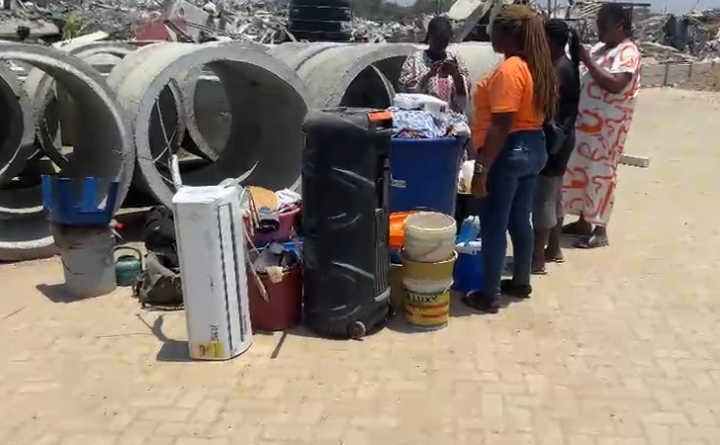
Success will depend on sustained political will and funding. Past environmental restoration projects in Ghana have faltered due to budget constraints or lack of follow-through. Community buy-in will also be critical, as some residents may have built livelihoods on or near the lagoon. Long-term maintenance—preventing new illegal structures from re-emerging—will require ongoing monitoring by local authorities and likely community engagement in stewardship.
The Kpeshie Lagoon restoration represents more than a single environmental project; it embodies Accra's attempt to reclaim natural flood defences in an increasingly urbanised and climate-vulnerable landscape.
Source: The Ghana Report
Comments (0)
Be the first to comment.