
La Liga chief demands Infantino's removal as Fifa governance crisis deepens
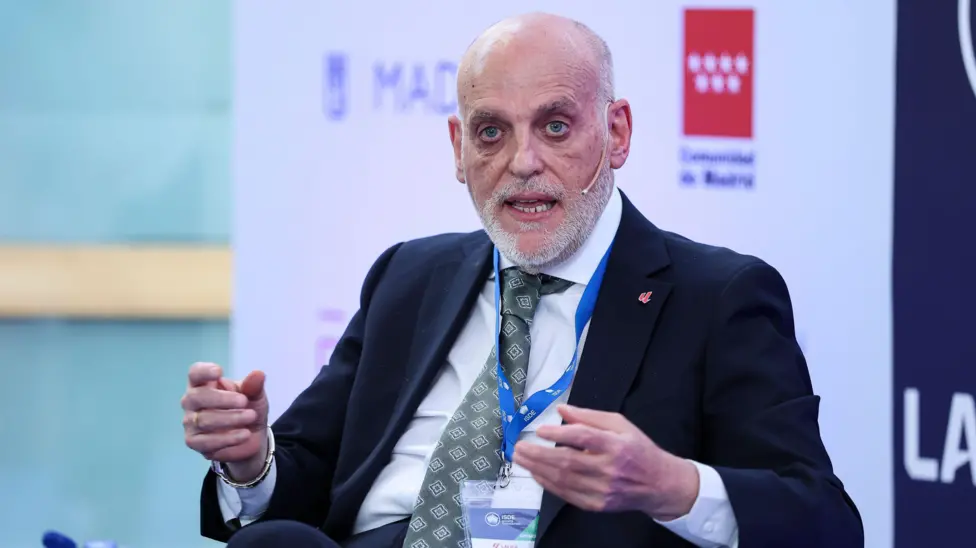

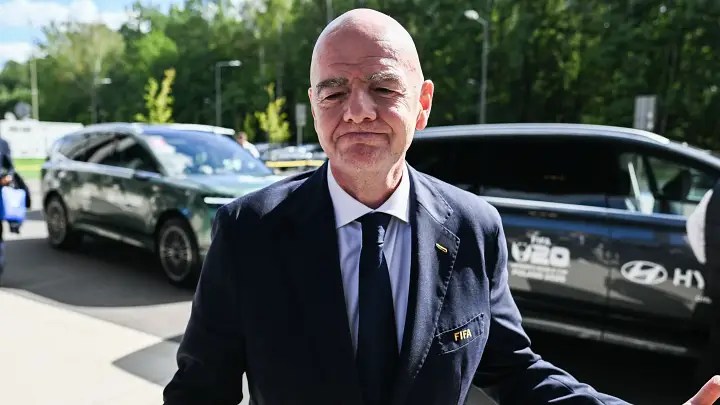
The head of Spain's top football division has issued a scathing indictment of Fifa's leadership, calling for president Gianni Infantino to resign immediately over what he describes as a systematic destruction of the sport's commercial and competitive integrity. Javier Tebas made the remarks after witnessing Spain's 2026 World Cup victory, using the platform to air long-standing frustrations about decisions taken by the world governing body.
Tebas's critique strikes at the heart of a broader governance crisis at Fifa that extends beyond Spain's borders. The 56-year-old Infantino faces mounting pressure from influential figures across European football, yet remains positioned for re-election at Fifa's March congress—a paradox Tebas attributes to the organisation's flawed electoral system and lack of credible challengers willing to mount an opposition campaign.
Specific grievances shaping the debate
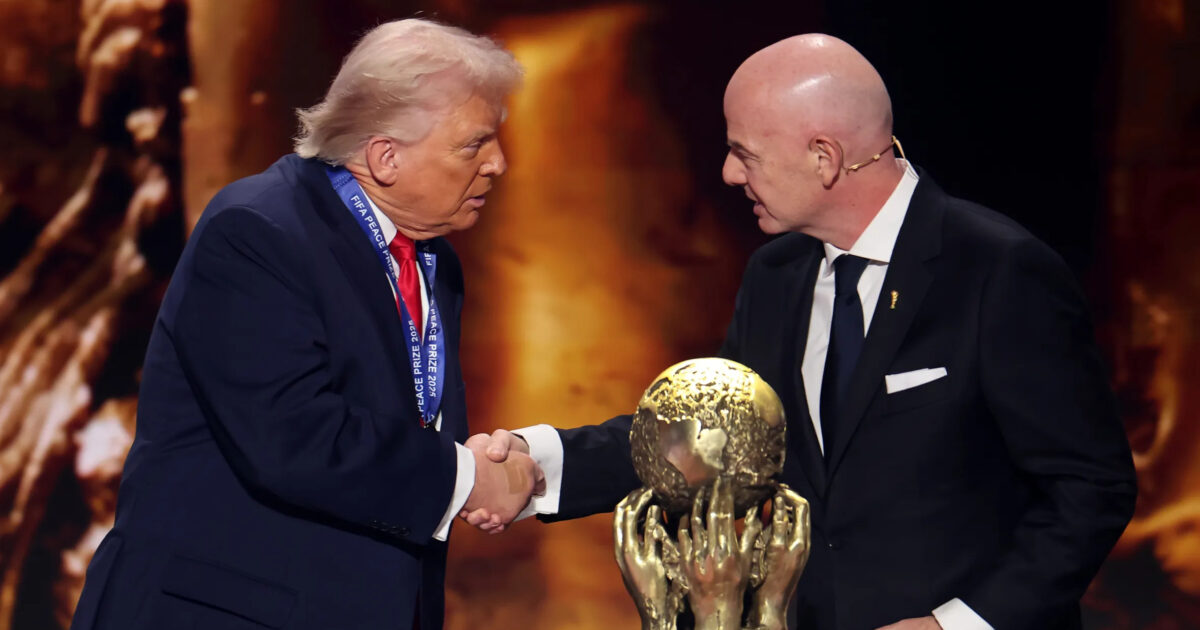
Tebas enumerated several concrete examples of what he views as Fifa's mismanagement. He highlighted the controversial decision to postpone a suspension for United States striker Folarin Balogun during the tournament, a move that drew accusations of political interference after intervention by US President Donald Trump. The decision prompted European football's governing body Uefa to condemn the ruling as "unprecedented, incomprehensible and unjustifiable," with president Aleksander Ceferin boycotting the World Cup final in protest.
Other criticisms included mandatory three-minute hydration breaks implemented across North American venues, which Tebas dismissed as serving advertising interests rather than player welfare. He pointed out that stadiums in Dallas, Los Angeles and Atlanta featured air-conditioned pitches, undermining the stated rationale for the breaks. Similarly, the final's half-time show, featuring global music acts, extended the interval to 27 minutes 22 seconds—a considerable departure from the standard 15-minute break.
Tebas also warned against Infantino's suggestion of expanding the World Cup to 64 teams, arguing that concentrating all focus on the tournament risks destroying the domestic leagues that form football's financial and employment backbone.
Why it matters for Ghana and African football
These debates carry significant implications for Ghanaian football and the broader African football ecosystem. Fifa's governance decisions directly affect the Black Stars' participation in major tournaments, qualify schedules, and the financial resources directed to African federations. The question of World Cup expansion, hydration rules, and scheduling pressures all influence how African players and clubs experience international competitions.
Ghana's standing within Fifa's structures, like other African nations, depends partly on the legitimacy and fairness of the organisation's leadership. Questions about whether Fifa operates in the interests of global football—or merely pursues its own commercial agenda—resonate across African football's administration. Additionally, debates about protecting domestic leagues from excessive international fixture congestion affect Ghana's Premier League and the career trajectories of Ghanaian players abroad.
The governance crisis also reflects broader tensions between wealthy European leagues and Fifa's global ambitions. How these disputes are resolved will shape the competitive landscape in which Ghanaian players operate and the resources available to develop the sport locally.
The impasse at Fifa
Despite widespread criticism from league officials and some continental bodies, Tebas acknowledged a troubling reality: Infantino retains backing from national football federations and faces no serious electoral opposition. "There's no opposition candidate, nobody wants to stand just to lose," Tebas observed, illustrating the structural barriers to leadership change at Fifa.
He also noted that many football figures privately voice objections to Infantino's direction but publicly remain silent, creating what he termed a complicity that allows controversial decisions to persist. This dynamic—where awareness of problems coexists with institutional inaction—suggests the governance crisis at Fifa will likely persist regardless of individual criticism from league leaders.
Source: Today GH

Comments (0)
Be the first to comment.