
Kurt Okraku welcomes constructive criticism as GFA president defends leadership record
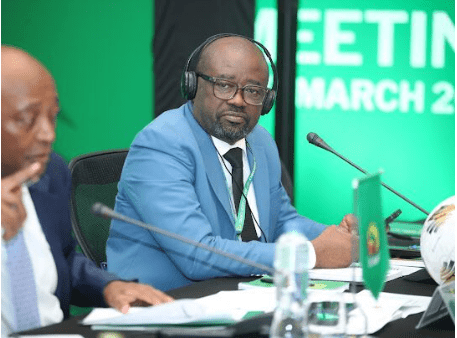

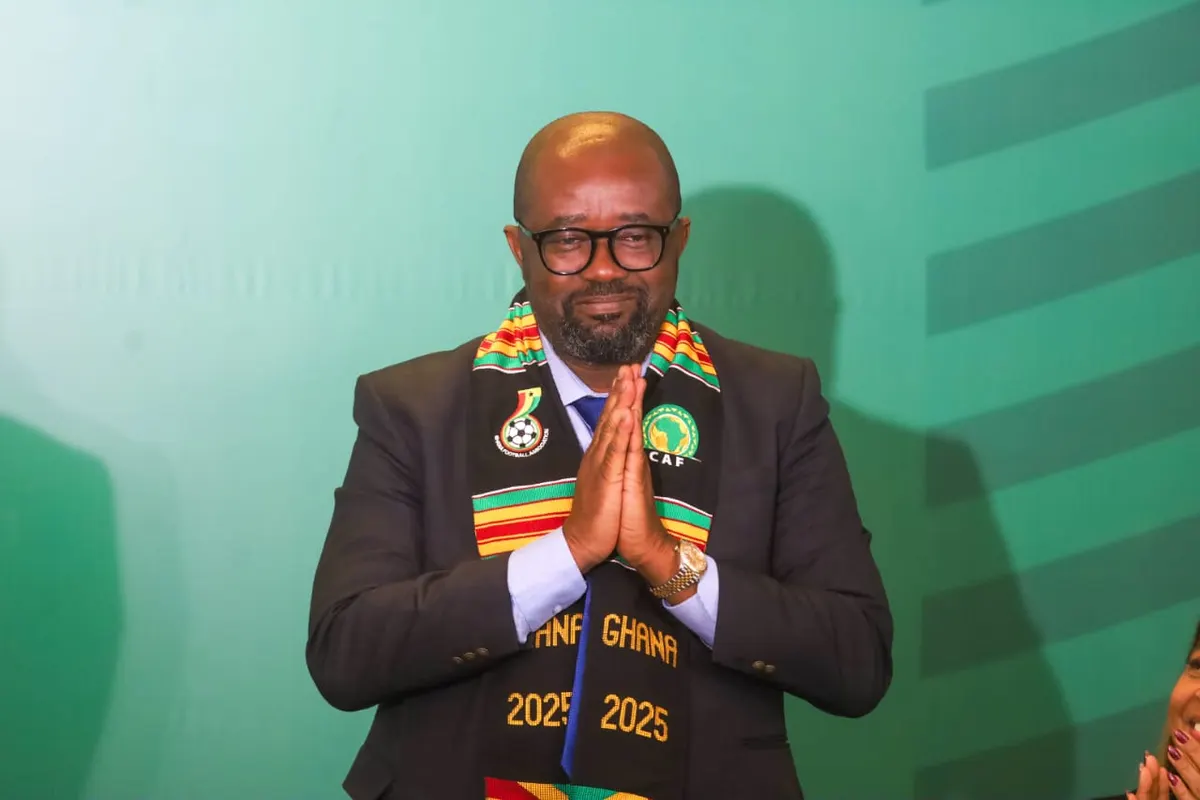
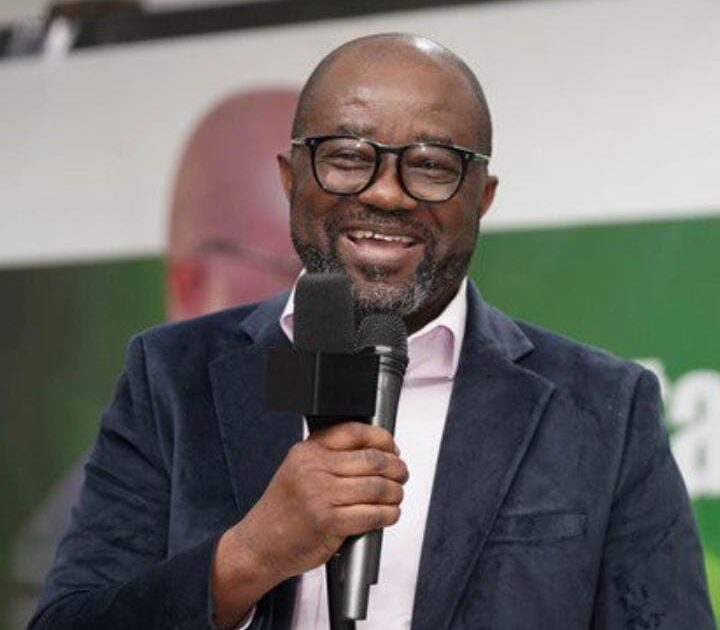
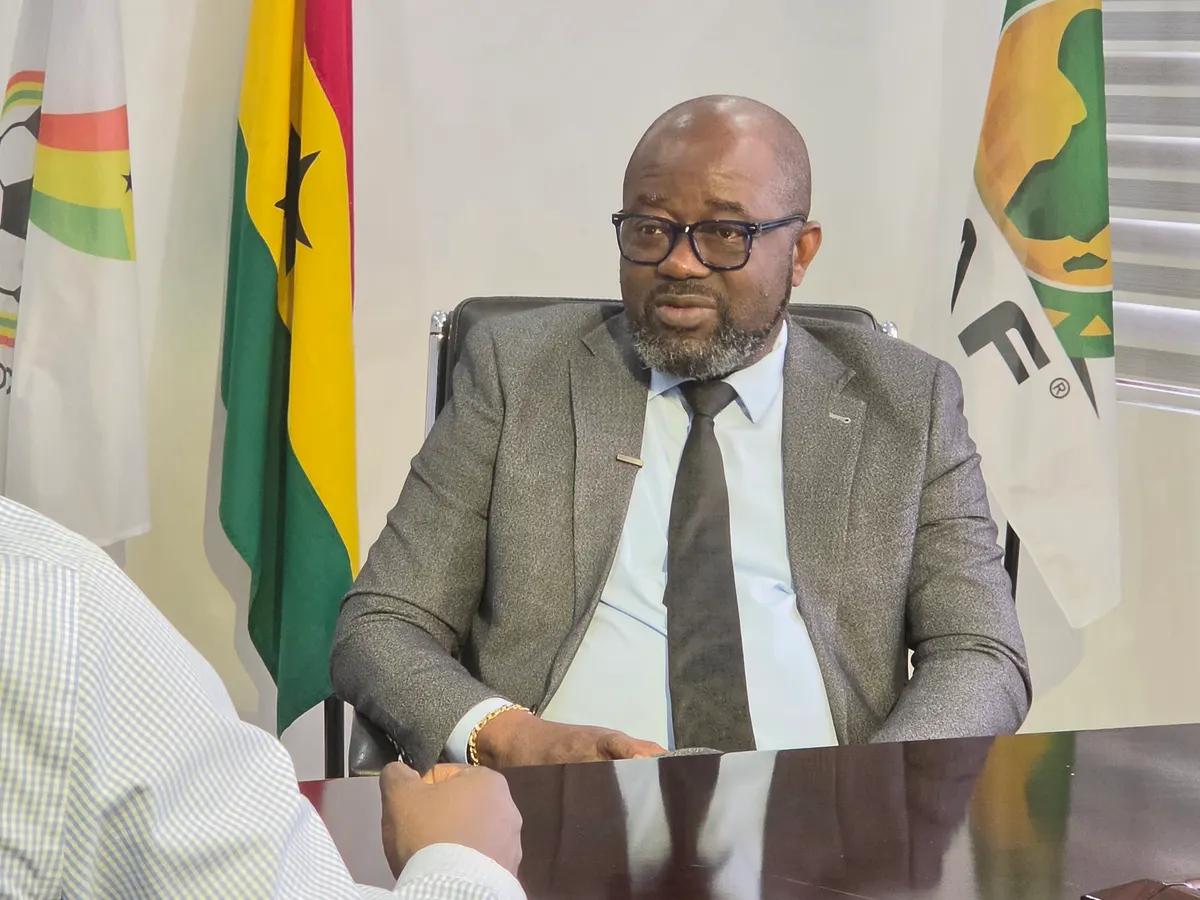
Ghana Football Association president Kurt Okraku has opened up about his approach to criticism, asserting that he welcomes feedback aimed at improving the nation's football development, even as he acknowledges the inherent challenges of leading the sport at the highest level.
Speaking to 3Sports, Okraku emphasised that criticism is not only inevitable but can be valuable when constructive. He reiterated comments made at the GFA Congress in Kumasi, stating that he appreciates stakeholders who voice concerns backed by genuine desire to strengthen Ghana football.
"It's okay for people to speak their minds. Like I said at the Congress in Kumasi, I love people who are not only critical but constructive," Okraku said. "It's normal. I don't think any leader in our football space has enjoyed absolute peace."
A pattern across GFA leadership
The GFA president drew on historical precedent to contextualise his position, pointing out that his predecessors have similarly navigated intense scrutiny. He cited former presidents Kofi Amoah and Kwesi Nyantakyi as examples of leaders who shouldered significant criticism throughout their tenures.
Okraku highlighted Nyantakyi's achievements despite the pressure he faced, noting that the former GFA boss delivered tangible results by guiding Ghana to a FIFA World Cup appearance and an Africa Cup of Nations final. This, he suggested, demonstrates that the true measure of football administration lies in concrete outcomes rather than freedom from criticism.
"President Kofi Amoah, who served as president during the Normalisation Committee, faced fierce criticism during his tenure. President Kwesi Nyantakyi, same," Okraku explained. "At the end, he took Ghana to the World Cup, he took Ghana to the finals of the AFCON. He did his part and my job is also to play my part."
What this means for Ghanaian football
Okraku's openness about criticism reflects broader tensions within Ghana football stakeholder communities. Supporters, analysts, coaches, and media observers regularly scrutinise GFA decisions on player selections, tournament participation, fixture scheduling, and financial management. The GFA president's statement appears designed to distinguish between legitimate feedback that drives improvement and unconstructive complaints that undermine morale.
His reference to playing his own part suggests a focus on delivery—implying that his administration will be judged ultimately by Ghana's performance in international competitions and the development of domestic structures. This frames criticism within a results-oriented context where outcomes matter more than noise.
The emphasis on constructive feedback also raises questions about how the GFA will differentiate between valid criticism and hostile commentary, particularly as social media amplifies diverse voices within the football community. Okraku's stance suggests the association may seek greater dialogue with stakeholders to channel criticism productively rather than dismiss it outright.
For Ghanaian football fans and stakeholders, this message offers a pathway for engagement: criticism will be heard if it comes with solutions and genuine concern for the sport's development. Whether the GFA will translate this openness into systemic changes or mechanisms for stakeholder input remains to be seen, but Okraku's framing at least opens a conversation about constructive governance in Ghanaian football.
Source: MyJoyOnline

Comments (0)
Be the first to comment.