Korle Bu A&E Overwhelmed: Emergency Cases Double as Mystery Health Crisis Emerges

Ghana's largest teaching hospital is facing a critical strain on its emergency services as the Accident and Emergency Department at Korle Bu records a dramatic spike in daily admissions. The unit, designed to handle a 50-bed capacity, now routinely receives over 100 patients per day, with numbers frequently exceeding this threshold. Dr Henry Bulley, the department's head, has sounded an alarm about the trend, which he describes as both unprecedented and concerning.
The surge reflects a troubling shift in the types of medical emergencies reaching the hospital. While trauma cases from road traffic accidents and domestic injuries continue to climb, Dr Bulley emphasises that the truly alarming increase centres on acute medical emergencies—conditions that suggest something systemic may be at play within Ghana's health landscape.
The Pattern: Medical Emergencies Taking Centre Stage
In conversations with health officials, Dr Bulley has highlighted a particularly unsettling phenomenon: patients presenting with advanced, life-threatening complications from conditions once considered routine. Malaria, historically managed in outpatient settings with simple fever management, is now arriving at the emergency unit in critical forms. Patients are presenting unconscious and frequently with severe kidney damage—a severe complication that signals either delayed care-seeking or an intensified version of the disease itself.
Similar patterns have emerged across other conditions. Strokes, sudden loss of consciousness, advanced diabetic complications and acute kidney disease now dominate the emergency caseload. This represents a significant departure from typical emergency presentations and raises questions about whether Ghana is facing a public health shift that remains undiagnosed.
The numbers underscore this reality. Between January and June 2026, Korle Bu's emergency department attended to 7,781 patients—a notable increase from 7,108 cases in the same period in 2025, and higher than recent previous years. Yet the composition of these cases has changed markedly, with medical emergencies outpacing trauma in clinical concern.
Why It Matters for Ghana: Environment, Food Safety and Healthcare Systems Under Pressure
Dr Bulley has posed a crucial question that Ghanaians should be asking their health authorities: what is driving this shift? He has not ruled out environmental contamination from illegal mining activities as a potential culprit, particularly given that emergency cases are arriving from across the country, not just Accra. The water supply, food systems and air quality all intersect with mining operations in numerous regions.
This emerging crisis exposes vulnerabilities in Ghana's healthcare system. Emergency departments are already under-resourced relative to demand. A sustained doubling of emergency cases threatens to push facilities beyond breaking point, compromising care quality and diverting attention from non-emergency services. The strain also ripples through diagnostic and treatment capacity across the entire hospital network.
From a public health perspective, the mystery element is equally urgent. If specific environmental, infectious or nutritional factors are driving these complications, they require immediate investigation and intervention. The fact that health professionals remain uncertain about root causes suggests a coordination gap between emergency departments, epidemiological surveillance and environmental health monitoring.
Road Safety: A Preventable Crisis Within the Crisis
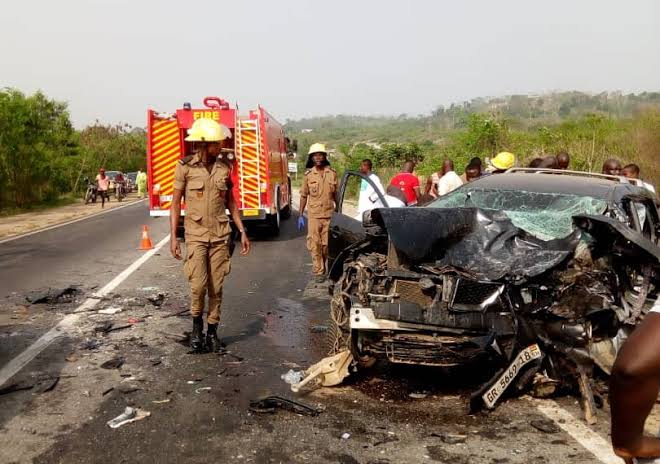
Road traffic accidents contribute significantly to the emergency surge. By mid-2026, accident cases accounted for 553 emergency attendances—7.11 per cent of all cases, representing a worrying upward trend from 5.33 per cent in 2025. Dr Bulley attributes peak periods to holidays and school vacations, when increased travel, alcohol consumption and unsafe driving coincide.
One bright spot: improved mortality outcomes. The mortality rate for accident victims has stabilised around 1.81 per cent, benefiting from increased emergency physician availability and specialised nursing staff. However, prevention remains vastly preferable to treatment.
Korle Bu's emergency department stands at a crossroads. Without urgent investigation into the medical emergency spike, increased funding for capacity, and coordinated national efforts on road safety and environmental health, the system risks collapse—leaving Ghana's most vulnerable citizens without access to critical care.
Source: Today GH


Comments (0)
Be the first to comment.