Konjiehi farming community gets modern irrigation to fight galamsey and migration
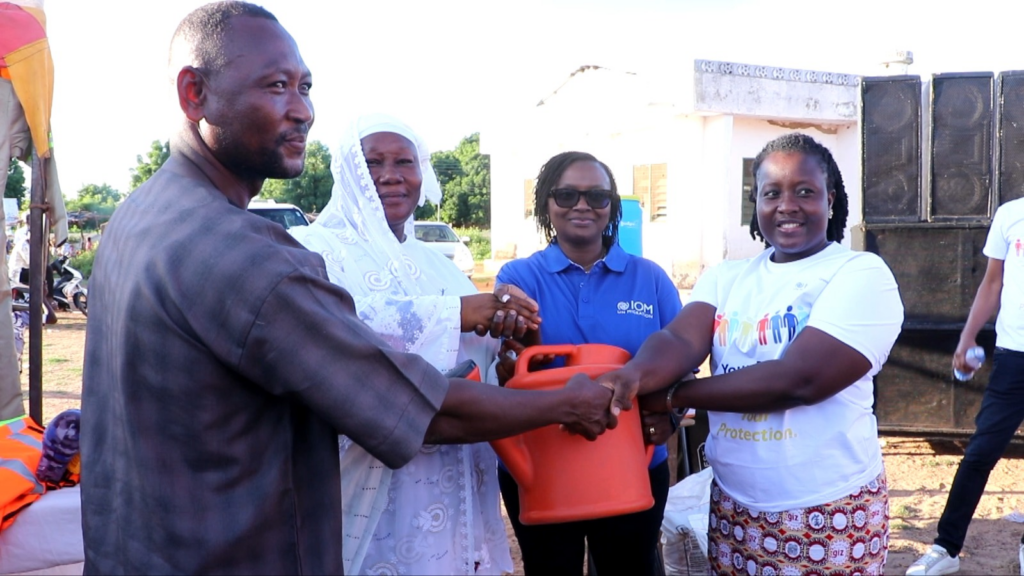
The Konjiehi community in Wa Municipality has been handed a modern drip irrigation system and enclosed garden designed to transform agricultural livelihoods and reduce dependence on illegal mining and irregular migration. The facility, officially handed over on Friday, represents a significant intervention to address economic pressures that drive rural youth into galamsey operations and dangerous migration routes.
The initiative forms part of the FOSTERING Project—Fostering Self-Sufficient Economic Stability for Reintegration of Returnees—backed by the International Organization for Migration (IOM) and German Development Cooperation (GIZ). Implementation was handled by Community Aid for Rural Development (CARD) Ghana in collaboration with the Wa Municipal Assembly. Beneficiaries also received practical farm inputs including seeds, fertilisers, Wellington boots, tools, sprayers and safety equipment to enable immediate productive use.
Addressing the dry-season crisis
For communities like Konjiehi where farming dominates the economy, the end of the rainy season has historically meant financial crisis. Young people without work options have increasingly turned to illegal mining during dry months, whilst women and youth have migrated southward seeking temporary employment, often separating families for months.
Mahama Rufai, speaking for beneficiaries, described the reality: young people resort to galamsey sites when rains end because no alternative employment exists. Some never return from mining operations. The irrigation system addresses this directly by enabling year-round vegetable and crop production, creating sustainable income even when rainfall stops.
Mohamed Fuseina, another beneficiary, highlighted the personal impact. She previously travelled to southern Ghana for seasonal work, leaving her children behind. The new facility means her family can earn locally without separation. Her husband no longer faces pressure to take dangerous galamsey work, and she can remain with her children throughout the year.
Why this matters for Ghana
This intervention addresses interconnected challenges plaguing northern Ghana's rural economy. Galamsey operations devastate water bodies and soil, whilst irregular migration exposes Ghanaians to trafficking, exploitation and death. Both stem largely from poverty and lack of economic opportunity in communities of origin.
By creating viable livelihoods through climate-smart agriculture, Konjiehi's project reduces these pressures at source rather than addressing only their symptoms. The drip irrigation technology also aligns with Ghana's climate adaptation agenda, reducing water wastage whilst enabling dry-season farming—critical as climate patterns become increasingly unpredictable.
The training component is equally important. CARD Ghana provided extensive farm management and irrigation training before handover to ensure beneficiaries can operate the system sustainably and commercially. This human capital investment increases the likelihood the facility will remain productive long-term, multiplying benefits across the community.
Officials from IOM, GIZ and the local assembly emphasised community ownership as essential to success. Deputy Director Adizah Mumuni described the system as a significant climate-resilient agriculture investment, whilst GIZ's Ruth Mensah Mensah urged residents to take collective responsibility and young people to access the Public Employment Centre in Wa for additional career support.
Looking ahead
Executive Director Al-Hassan Hudi expressed confidence that benefits would extend beyond direct beneficiaries to broader community economic development. However, community members also appealed for complementary support—healthcare, electricity and other services remain lacking—suggesting that whilst agricultural income is crucial, sustainable development requires multi-sector investment.
The Konjiehi model demonstrates how targeted development partnerships can create real alternatives to migration and illegal mining. Whether the facility achieves its full potential depends on sustained community commitment, market access for dry-season produce, and continued government and donor support for complementary services.
Source: MyJoyOnline
-1200x800.webp)


Comments (0)
Be the first to comment.