KNUST Delays 2026/2027 Academic Calendar Indefinitely Amid Administrative Strike
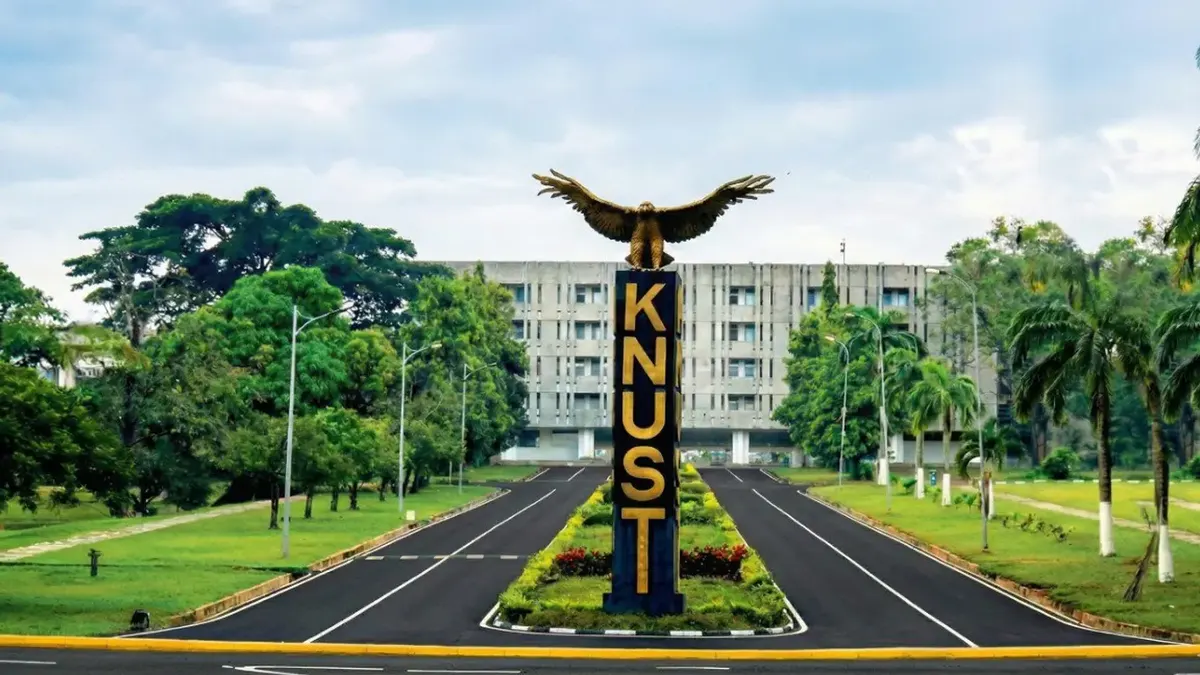
Kwame Nkrumah University of Science and Technology (KNUST) has announced an indefinite postponement of its planned reopening for the 2026/2027 academic year, originally scheduled for 13 October. The decision comes as the institution remains locked in an ongoing labour dispute with the Ghana Administrators' Union (GAUA), which has resulted in a strike by university administrators.
The university, one of Ghana's premier tertiary institutions and a key hub for science and technology education, did not provide a revised opening date in its announcement. This means thousands of students expecting to resume classes face significant uncertainty about when they will return to campus.
Impact on Students and Academic Calendar
The indefinite postponement creates considerable disruption for the academic community. Students who had planned to begin their courses next month must now revise their personal and financial arrangements. The delay also affects accommodation bookings, travel plans and other preparations families have made for the new academic year.
Beyond the immediate inconvenience, the postponement raises questions about how KNUST will compress or restructure the academic calendar to accommodate the lost time. Universities in Ghana typically operate on fixed academic cycles aligned with national education schedules, and significant delays can have cascading effects on graduation dates, internship placements and other time-sensitive programmes.
Why It Matters for Ghana
KNUST's closure impacts not only its students but the broader Ghanaian higher education landscape and workforce development. As the country's leading institution for engineering, science and technology training, disruptions at KNUST have national implications. Ghana depends on graduates from institutions like KNUST to fill critical roles in engineering, healthcare, agriculture and technology sectors that drive economic growth.
The GAUA strike reflects broader tensions in Ghana's university system regarding staff welfare and working conditions. Administrative officers—who manage payroll, student records, admissions and daily operations—are essential to university functioning. When these staff members withdraw services, entire institutions can grind to a halt, as evidenced by KNUST's decision to postpone reopening.
This situation also underscores the need for swift resolution of labour disputes in Ghana's education sector. Prolonged strikes not only inconvenience students and staff but can damage universities' academic reputation, disrupt research projects and deter prospective international students and collaborators.
Next Steps
The university has not yet announced a timeline for negotiations with GAUA or conditions that might lead to resolution. Stakeholders—including students, parents, staff and government—will be watching closely for updates. The Ministry of Education and other relevant authorities may need to facilitate dialogue between KNUST management and GAUA to resolve the impasse.
Students and prospective applicants should monitor KNUST's official channels for announcements regarding the new opening date and any adjustments to the academic calendar.
Source: 3News

-1200x800.webp)

Comments (0)
Be the first to comment.