
Kenyan Cult Leader Gets 200-Year Sentence After 191 Starved to Death in Forest of Horrors
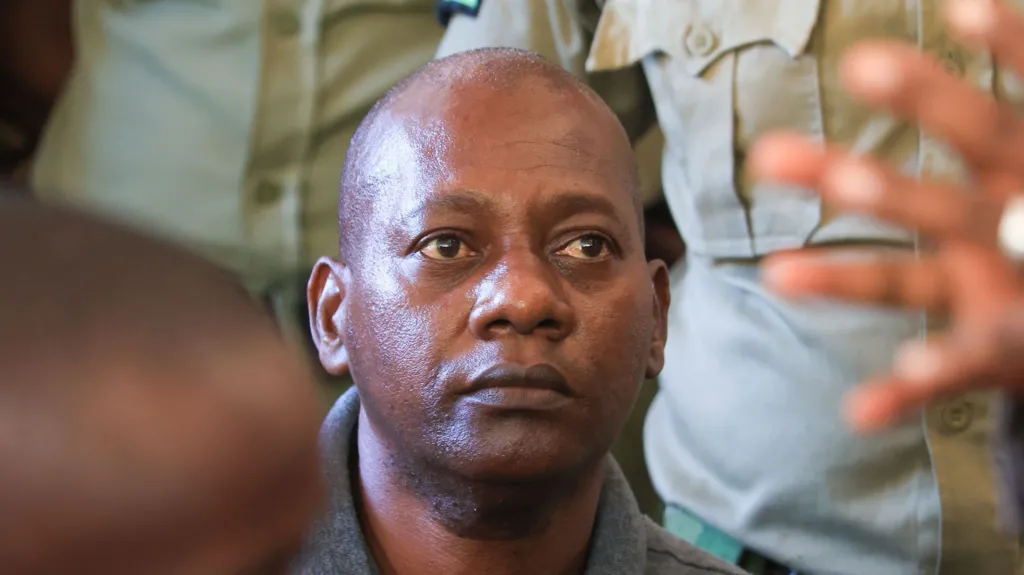

A Kenyan court has sentenced self-styled pastor and doomsday cult leader Paul Mackenzie to 200 years in prison after finding him guilty of murdering 191 people — the vast majority of them children — in one of the most chilling episodes of cult-related violence the world has ever seen. Justice Diana Mochache of the Kenyan high court delivered the landmark sentence on Friday, calling Mackenzie the person who bore the "primary criminal culpability" for the mass deaths in Shakahola forest, near the Kenyan coast.
What happened at Shakahola forest?
The horror unfolded after Kenyan authorities discovered more than 400 bodies buried in shallow graves in the dense Shakahola forest in 2023. Mackenzie, who led the Good News International Church, had instructed his followers to starve themselves and their children to death so they could "meet Jesus." Those who resisted were beaten — one co-accused testified that Mackenzie ordered that anyone who refused to fast "must be forced to go to heaven through kicks and blows."
Post-mortem examinations confirmed that most victims died from starvation, while others were killed through suffocation, strangulation, or blunt-force head injuries. Some bodies were too decomposed for a cause of death to be determined. Cult members referred to burials inside the forest as "weddings", and those who died were described as having "wedded with Jesus."
Mackenzie was tried alongside 28 co-accused, including guards who enforced the fasting orders and gravediggers who helped conceal the bodies. They received sentences of up to 160 years. Prosecutors had pushed for the death penalty given the scale and cold-blooded nature of the killings, but Justice Mochache declined, saying capital punishment would eliminate any chance of rehabilitation. Kenya has not carried out an execution since 1987.
The court structured Mackenzie's sentence as 100 years for homicide and a further 100 years for starvation-related offences — the two sets running consecutively, bringing the total to 200 years. He still faces separate manslaughter and terrorism charges, which he denies.
Why it matters for Ghana and West Africa
The Shakahola tragedy is not merely a Kenyan story — it carries profound lessons for Ghana and the wider African continent, where charismatic religious movements wield enormous social influence. Ghana has one of the highest concentrations of churches per capita in the world, and while the overwhelming majority operate responsibly, the country has seen its own controversies involving unregulated pastors making extreme demands of their congregations.
The Kenyan case starkly illustrates what can happen when regulatory oversight of religious bodies is absent or ignored. Investigations by the Kenya National Commission on Human Rights found that local officials and police had repeatedly turned a blind eye to the cult's activities, despite early warnings. A relative of survivor Francis Wanje — who lost eight family members, including two grandchildren — had reported the case to police in March 2023, only to be met with inaction.
In Ghana, calls for greater accountability of religious leaders and formal registration of churches have grown louder in recent years, with the Ghana Revenue Authority and various civil society groups pressing for more structured oversight. The Shakahola verdict may renew that conversation, underscoring that unchecked religious authority can, in the most extreme circumstances, cost innocent lives on a massive scale.
Survivors and victims' families speak
Francis Wanje, who lost eight relatives in the forest, told the BBC ahead of sentencing that he was hoping for "a sentence which will match his deeds in the forest." His grandson was among the last survivors rescued — the child had been hours from death when he was saved, and it was he who showed police where his siblings had been buried.
Justice Mochache described the killings as "cold and calculated", noting that the perpetrators showed no remorse and had even declared their willingness to fast to death themselves. The eight-hour judgement delivered last month laid out how an organised system of religious instruction, coercion, and violence had driven followers to their deaths over an extended period.
Mackenzie's conviction and sentencing send a signal across Africa that courts will not shy away from holding cult leaders to full account — regardless of how they dress their crimes in religious language.
Source: MyJoyOnline


Comments (0)
Be the first to comment.