
Democrats Seize Control of US Congress in Sweeping Midterm Rebuke of Trump


In a political earthquake that will reshape the final two years of Donald Trump's presidency, the Democratic Party has won control of both chambers of the United States Congress, flipping the House and Senate in midterm elections that served as a nationwide referendum on the Republican administration. The scale of the victory — described by analysts as one of the most significant midterm swings in nearly two decades — signals deep public frustration with Trump's governance, economic stewardship, and what many voters described as unchecked executive power.
What happened and how decisive was it?
Democrats secured a swift victory in the House of Representatives before going on to clinch the Senate, giving the party full legislative control for the first time since the early years of the Biden administration. Projections suggest Democrats could enjoy their largest House majority in close to 20 years.
The wins were not confined to traditionally competitive swing states. Democrats flipped Republican-held seats in Iowa, Kansas, Ohio, North Carolina, South Carolina, and even Texas — a state long considered a Republican stronghold. South Carolina, which many Democrats had privately written off, fell early in the night, setting the tone for a sweeping evening.
Exit polling conducted by NBC News revealed that 43 percent of voters said opposition to Trump was a motivating factor in how they cast their ballots. Strikingly, 71 percent of voters — including 41 percent of self-identified Republicans — said congressional oversight of the Trump administration has been insufficient. Key concerns driving voters included the cost of living, corruption, immigration policy, and the ongoing US-Israeli military conflict with Iran, which erupted in late February and caused fuel prices to surge.
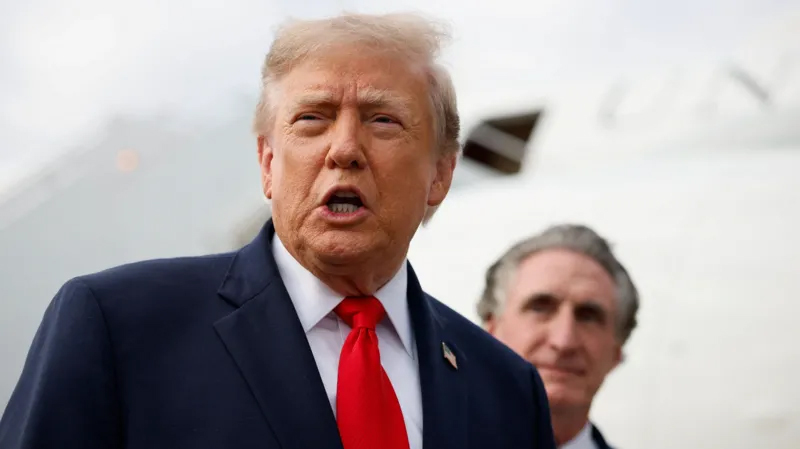
Trump, who had urged supporters to treat the midterms as though he personally were on the ballot, quickly reversed course after results came in, posting on social media that his absence from the ballot was actually the reason Republicans lost.
What this means for US governance — and the world
The Democratic takeover fundamentally alters the political landscape in Washington. With majorities in both the House and Senate, Democrats now hold powerful oversight tools, including the ability to launch congressional investigations into the Trump administration, hold hearings, and potentially block key legislative priorities in the second half of Trump's term.
The election results may also influence the composition of the Supreme Court and will almost certainly shape early positioning for the 2028 presidential race. Senate Democratic leader Chuck Schumer signalled his party's intentions plainly, stating priorities would include reducing costs for ordinary Americans and tackling what he described as widespread corruption.
House Minority Leader Hakeem Jeffries of New York stands on the threshold of making history, poised to become the first Black Speaker of the House of Representatives when the new Congress is formally seated in January. Democrats are expected to hold leadership elections in mid-November, after which Jeffries will need 218 votes on the House floor to claim the speaker's gavel.
Political observers are already drawing comparisons to the 2006 midterms, when a voter backlash over the Iraq War handed Democrats a similar double-chamber sweep and prompted then-President George W. Bush to admit his party had taken a "thumping." The last time a minority party flipped both chambers in a single night was that very election.
Why it matters for Ghana and Africa
American political shifts carry significant consequences far beyond US borders, and Ghana is no exception. US foreign policy towards Africa — including trade arrangements under the African Growth and Opportunity Act (AGOA), development funding through agencies such as USAID and the Millennium Challenge Corporation, and diplomatic engagement with ECOWAS — is shaped in part by the balance of power in Congress.
A Democratic-controlled Congress is generally seen as more sympathetic to multilateral institutions, climate commitments, and foreign aid budgets that benefit African nations, including Ghana. Under the current Trump administration, several African development programmes faced budget pressures and policy uncertainty. Congressional Democrats, now holding the purse strings, are likely to push back on cuts to international assistance.
Additionally, Ghana and other African nations will be watching closely how the new Congress handles the Iran conflict, which has already pushed global fuel prices higher — a pain felt acutely at Ghanaian pumps. Any legislative pressure to de-escalate or redefine the terms of that military engagement could have direct economic consequences for fuel-importing nations across the continent.
- Democrats flipped seats in Texas, South Carolina and three other traditionally Republican states.
- 71% of US voters, including Republicans, said Trump faces insufficient congressional oversight.
- Hakeem Jeffries is set to become the first Black Speaker of the US House of Representatives.
Source: MyJoyOnline


Comments (0)
Be the first to comment.