John Boadu: The Man Leading Ghana's Largest Opposition Party Through Election Cycles
-600x400.webp)
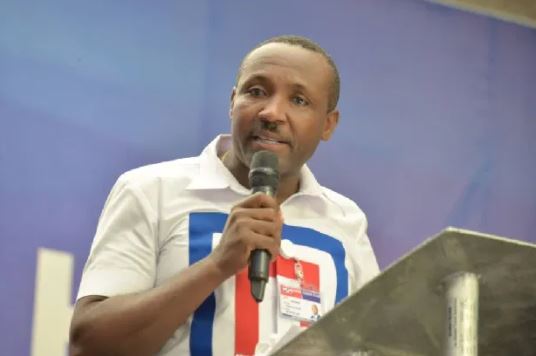
John Boadu has established himself as a significant figure in Ghana's political landscape, serving as the National Chairman of the New Patriotic Party (NPP), Ghana's largest opposition political party. His election to the position marked a decisive moment for the party, as he overcame competition from two other heavyweight contenders in what observers described as a closely watched internal contest.
The chairmanship race that brought Boadu to power featured strong opposition from Boakye Kyeremanteng Agyarko and Paul Afoko, both seasoned political operatives with substantial party credentials and followings. Despite the intensity of the competition, Boadu secured the backing needed to assume the leadership role, reflecting considerable support within the party's rank and file.
Leadership Role and Party Direction
As National Chairman, Boadu occupies one of the most influential positions within the NPP, responsible for party organisation, coordination of regional structures, and day-to-day administration. The role places him at the centre of party strategy, especially during election cycles when the NPP mobilises resources and supporters across Ghana's regions.
His appointment came at a critical juncture in Ghana's political cycle, a period when opposition parties must rebuild momentum, address internal cohesion, and prepare for electoral campaigns. The NPP, which has alternated power with the National Democratic Congress (NDC) for much of Ghana's democratic history, relies heavily on strong internal party management to maintain relevance and electoral competitiveness.
Why This Matters for Ghana
Ghana's two-party system depends significantly on the quality of leadership within both the ruling and opposition parties. The NPP's choice of national chairman influences how effectively the party can hold government accountable, articulate alternative policy positions, and mobilise voters during election periods. A well-organised opposition strengthens democratic processes by ensuring genuine competition for power.
The race between Boadu, Agyarko, and Afoko revealed internal dynamics within the NPP regarding the party's future direction, leadership generational shifts, and regional power distributions. These internal contests, whilst sometimes contentious, reflect the democratic health of Ghana's political parties and their commitment to internal party democracy.
Boadu's victory also demonstrates shifting preferences within the party base regarding the qualities desired in party leadership. Whether party members prioritised administrative experience, regional representation, loyalty factors, or ideological positioning would have influenced voting patterns in the chairmanship election.
Looking Forward
The NPP continues to navigate Ghana's evolving political terrain, balancing internal party management with the demands of opposition politics. Boadu's tenure as chairman will be measured against his ability to unite the party, strengthen organisational structures at regional and constituency levels, and position the NPP effectively for future electoral contests.
For Ghanaian voters, the strength and effectiveness of the opposition party leadership ultimately affects their choices at the ballot box and holds elected governments accountable between elections. The selection of capable, principled party leadership across Ghana's political spectrum remains essential to sustaining democratic governance.
Source: 3News

Comments (0)
Be the first to comment.