
Hundreds of Ghanaians still trapped in South Africa as xenophobia deepens; government faces calls to reopen evacuation
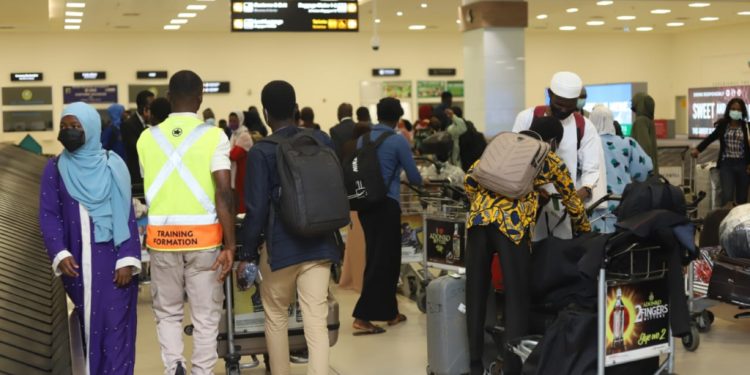

Ghanaians remaining in South Africa have launched a fresh appeal to the government to resume its voluntary evacuation programme, citing deteriorating conditions marked by job losses, business collapse and displacement as xenophobic tensions persist in the country.
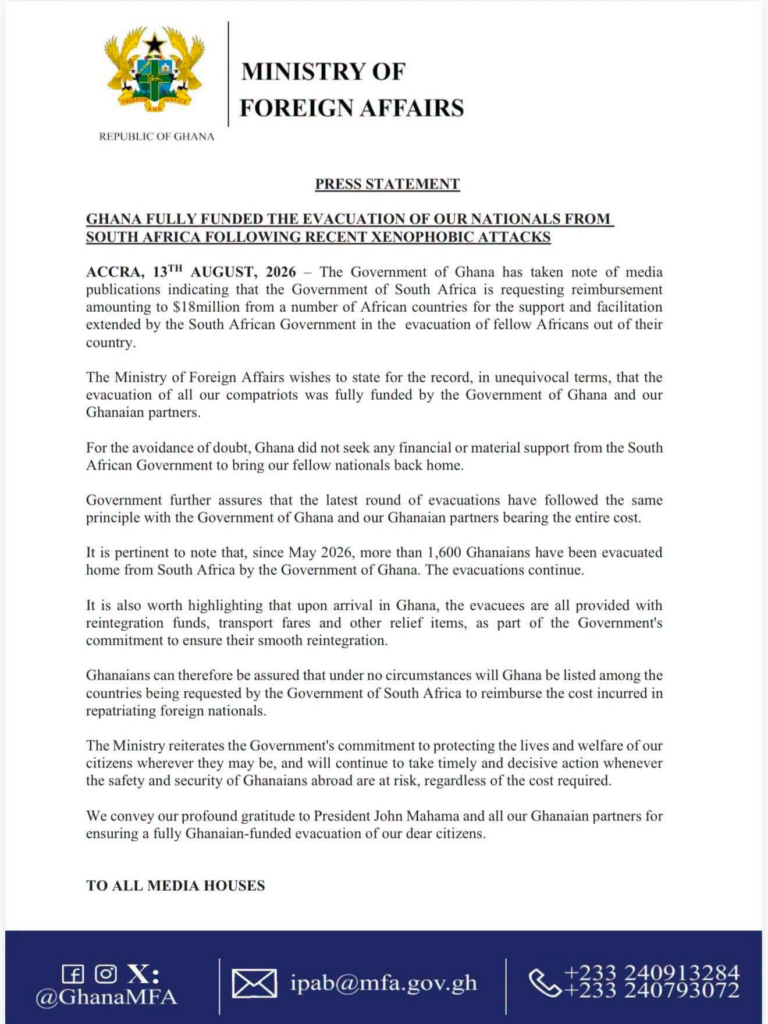
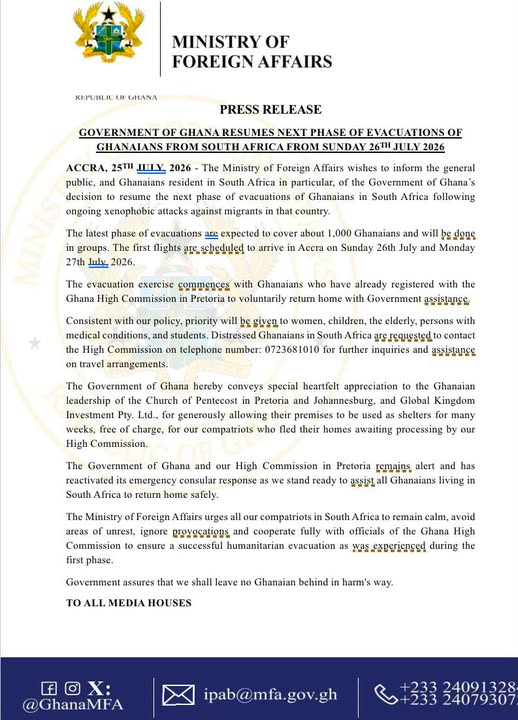
The plea comes after Ghana's government officially concluded its evacuation exercise in early September, when a final group of 41 citizens returned home, bringing the total number of evacuees to 1,964. However, testimonies from those still stranded reveal a humanitarian crisis that extends well beyond the government's initial scope, raising questions about how many Ghanaians remain vulnerable and what additional support mechanisms may be needed.
The reality on the ground
Margaret Amenuvegbe, one of the stranded Ghanaians, has become a voice for the abandoned cohort. After 14 years in South Africa working as a hairdresser, she finds herself unable to work and facing housing insecurity alongside her extended household of eight people—four adults and four children. Her account reflects a pattern: many Ghanaians registered for evacuation but withdrew when reports circulated about overcrowding and poor conditions at evacuation centres.
Amenuvegbe's situation underscores a critical gap in the government's response. Those initially deterred by logistics concerns now face even worse circumstances: no employment, unstable housing, and mounting desperation. She stated that immigration-related pressures forced her out of work, a common experience among undocumented or irregularly documented migrants in South Africa.
What compounds the tragedy is that many of these individuals would have been eligible for evacuation had they felt confident in the process. Instead, caution born from reports of poor conditions at holding centres has left them in legal and economic limbo.
Why it matters for Ghana
Ghana has consistently positioned itself as a beacon of stability and opportunity in West Africa, yet this situation highlights the complex reality facing Ghanaians abroad. South Africa, despite its status as Africa's most developed economy, remains a flashpoint for xenophobic violence that disproportionately affects migrants from West Africa.
The government's decision to end the evacuation exercise reflects budget constraints and operational fatigue, but it also signals a potential abandonment of citizens whose circumstances have only worsened since September. For Ghana's international standing and domestic credibility, leaving citizens in active distress contradicts stated commitments to protecting nationals overseas.
Additionally, this situation raises broader policy questions: How many Ghanaians remain in precarious situations across South Africa and other SADC nations? What early-warning systems exist to identify future crises? Should Ghana establish permanent support mechanisms for its citizens facing xenophobic hostility abroad?
What comes next
The government faces mounting pressure to either reopen evacuation or establish alternative support pathways—whether through direct financial assistance, remote work opportunities, or partnership with international organisations. Leaving citizens in active distress, particularly families with children, creates both a humanitarian obligation and a political liability.
For Ghanaians considering migration to South Africa, this episode serves as a cautionary tale about the fragility of migrant status and the importance of legal documentation and community networks.
Source: Today GH



Comments (0)
Be the first to comment.