
How Ghana's Top Leaders Can Turn Market Disruption Into Growth Opportunity

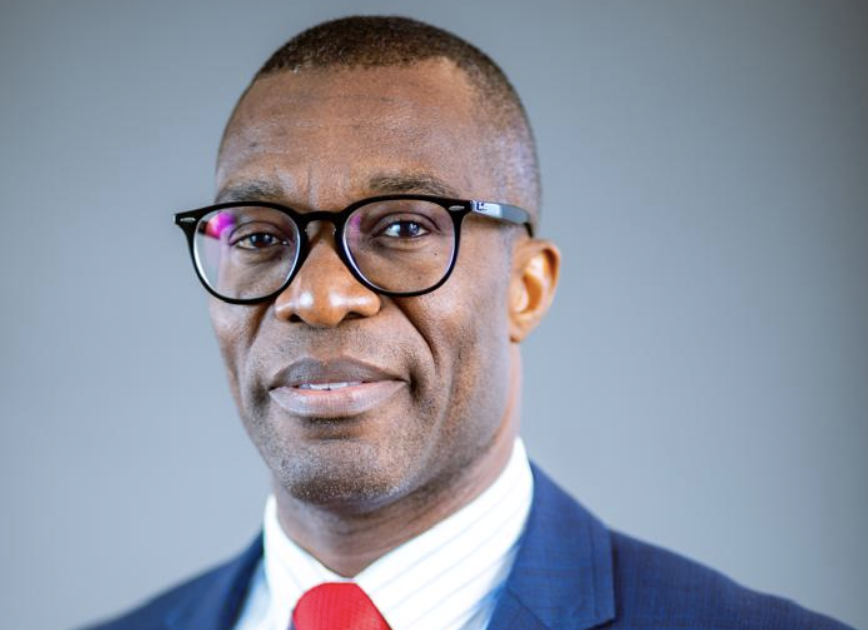
Ghana's business landscape is shifting rapidly. From energy sector reforms to digital transformation pressures and regional trade dynamics, corporate leaders face constant disruption. But according thought leadership from Ernest De-Graft Egyir, CEO advisor and founding CEO of Chief Executives Network Ghana, the organisations that will thrive are those viewing change not as threat but as strategic opportunity.
In an increasingly competitive West African market, Ghanaian CEOs cannot afford to be passive observers of change. Instead, De-Graft Egyir argues that agility and proactive thinking are now core business skills. Companies that adapt faster than rivals—whether to new technologies, regulatory shifts, or consumer behaviour—gain measurable competitive advantage.
The Ghana Context: Why Adaptability Matters Now
Ghana's economy is undergoing significant transitions. The renewable energy sector is expanding, fintech is disrupting traditional banking, and supply chains are being reshuffled by regional trade agreements. Additionally, younger consumers expect digital-first services, and global investors scrutinise ESG practices. Organisations clinging to legacy approaches risk losing market share to more nimble competitors, many operating regionally or globally.
De-Graft Egyir, who has advised numerous Ghanaian corporates and served on Ghana's Economic Dialogue Planning Committee, emphasises that successful leaders channel these pressures into innovation cycles. They do not simply react; they anticipate and experiment.
Practical Steps for Ghanaian CEOs
De-Graft Egyir outlines a framework for turning disruption into advantage:
- Reframe change mentally. View market shifts as windows for differentiation, not just survival challenges.
- Identify hidden opportunities. Scan recent market changes—regulatory moves, competitor missteps, new customer needs—and ask where your organisation can innovate.
- Build an experimental culture. Encourage teams to test new ideas, learn from failures, and scale successes quickly.
- Invest in capabilities. Upskill staff, adopt technology, and create structures that enable fast decision-making.
- Align innovation with strategy. Experimentation must support core business goals, not scatter resources on random projects.
What This Means for Ghana's Business Future
Ghana's Chief Executives Network, which De-Graft Egyir founded, has become a platform for CEOs to share insights and tackle common challenges. The Ghana CEO Summit, convened under this network's leadership, brings together corporate heads to debate strategy in an African context. Such forums underscore that Ghanaian leaders recognise the stakes: organisations that master change will capture regional market share and attract top talent and investment.
For companies in banking, energy, agriculture, manufacturing, and telecommunications—sectors driving Ghana's economy—the message is clear. Market conditions will keep shifting. The question is not whether change is coming, but whether your leadership team is ready to lead through it.
A practical starting point: identify one recent market disruption your organisation has faced or observed. Brainstorm three ways it could become a growth lever. Then pick one experiment to pilot within the next quarter. This simple discipline separates leaders who talk about agility from those who embed it into daily operations.
Source: MyJoyOnline



Comments (0)
Be the first to comment.