Health Ministry denies ARV shortage claims, pledges uninterrupted HIV treatment access
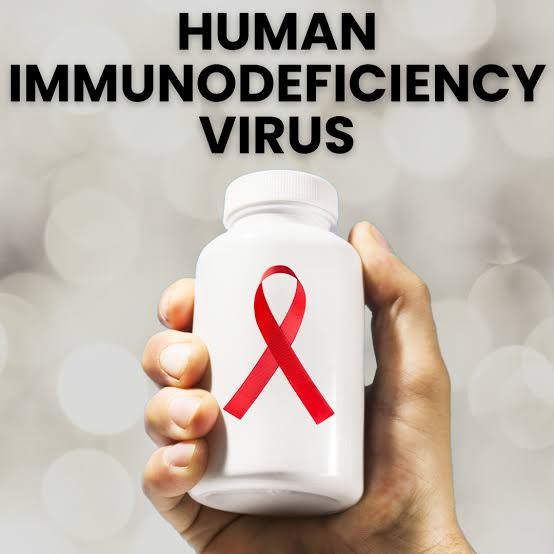
The Ministry of Health has firmly rejected claims that Ghana is facing a shortage of antiretroviral medicines (ARVs), reassuring persons living with HIV that essential treatment drugs continue to be available at designated health facilities across the country. The statement, released on Tuesday, August 11 through Ministry Spokesperson Tony Goodman, comes in direct response to concerns raised by the Network of Persons Living with HIV in Ghana (NAP+Ghana).
The advocacy group had raised alarm about potential supply disruptions affecting this critical medication class, which forms the backbone of HIV management and allows people living with the virus to maintain viral suppression and live healthy lives.
Ministry's assurances and supply measures
In its official response, the Ministry stated unequivocally: "It is not accurate that antiretroviral medicines are unavailable in the country. ARVs are available at designated health facilities across Ghana to support the continued treatment and care of persons living with HIV."
To sustain these supplies, the Ministry outlined that it is implementing routine procurement and supply arrangements designed to ensure continuous availability of essential medicines. These measures are intended to guarantee timely distribution across health facilities nationwide and prevent any treatment interruptions for vulnerable populations depending on daily medication.
The Ministry also specifically addressed allegations that ARV stocks had expired while in port. "The Ministry wishes to clarify that it is incorrect to suggest that antiretroviral medicines have expired at the port," the statement said. Officials indicated they are working with relevant stakeholders to improve management and speed up clearance of medical commodities.
Engagement with stakeholders and future commitments
Notably, the Ministry emphasised its willingness to work collaboratively with HIV advocacy organisations. It stated that it has already engaged with NAP+Ghana over their concerns and remains open to constructive dialogue on medicine availability and distribution issues.
"We remain committed to constructive engagement with all stakeholders to ensure that persons living with HIV have uninterrupted access to the medicines and services they require," the statement concluded. The Ministry further pledged to continue safeguarding access to essential medicines and ensure equitable distribution of ARVs across all designated treatment centres.
Why this matters for Ghana
Ghana has made significant progress in HIV treatment and management over recent decades. However, any genuine disruption to ARV supply chains could undermine years of public health progress and pose serious risks to the estimated population of people living with HIV in the country. ARVs are not optional medications—missing doses can lead to viral resistance, opportunistic infections, and compromised immune function.
The dispute between the Ministry and NAP+Ghana highlights an important tension in Ghana's health system: while officials maintain supplies are adequate, advocacy groups representing actual patients are raising real concerns from the ground. The fact that the Ministry did not provide specific stock level data or address whether isolated supply challenges exist at particular facilities suggests there may be granular distribution issues worth investigating further.
Continued transparency from the Ministry—including regular stock reports and feedback mechanisms from health facilities—will be essential to prevent future supply chain disruptions and maintain trust with both patients and advocates.
Source: MyJoyOnline

.jpg)

Comments (0)
Be the first to comment.