
Government Missed Half-Year Revenue Target by GHC2bn, Minority Alleges Budget Shortfall


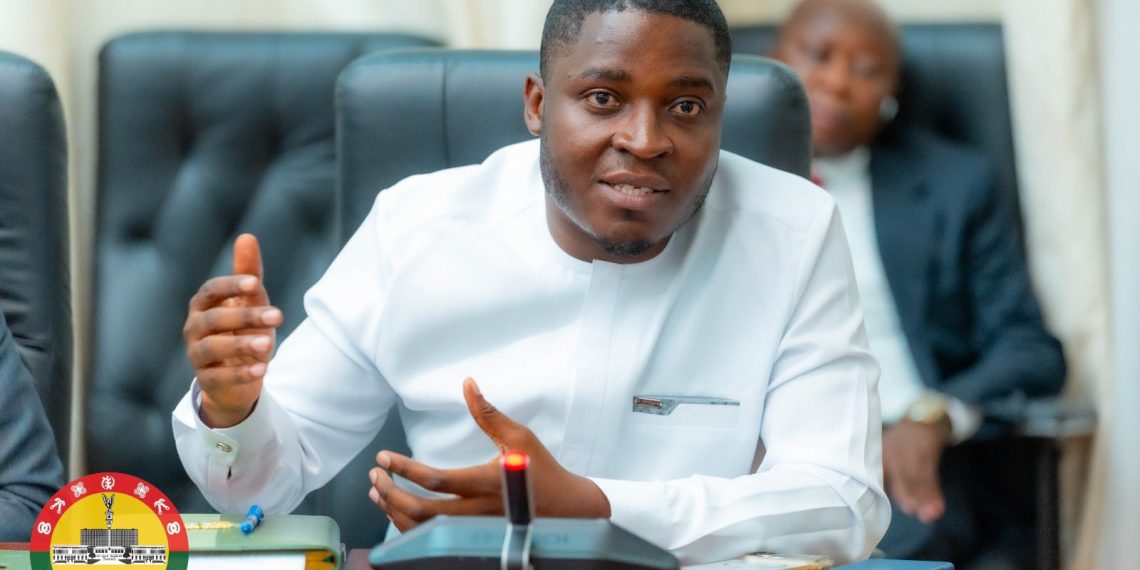
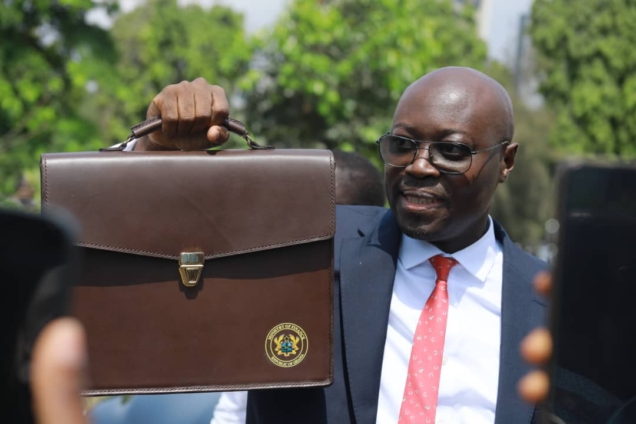
Ghana's parliamentary opposition has levelled serious accusations against the government's handling of public finances, claiming the Finance Ministry fell short of its half-year revenue target by approximately GHC2 billion whilst allegedly obscuring the deficit through fiscal manipulation.
The Minority caucus in Parliament argues that official budget data has been presented in a misleading manner, suggesting that the government achieved its revenue goals when the actual performance reveals a significant shortfall. This allegation raises concerns about fiscal transparency and the accuracy of budget reporting to Ghanaians and international stakeholders.
The Revenue Challenge
Meeting revenue targets is critical for government operations. When a shortfall of this magnitude occurs midway through the fiscal year, it typically necessitates urgent budget adjustments, including potential cuts to spending or increases in borrowing to cover the gap. A GHC2 billion shortfall represents a substantial miss that affects government's ability to fund essential services, capital projects, and developmental programmes across sectors including health, education, and infrastructure.
The Minority's accusation suggests that rather than transparently reporting the challenge, the Finance Ministry may have repackaged or misrepresented the data. Such practices, if substantiated, would undermine public confidence in government financial management and raise questions about fiscal credibility ahead of budget reviews and loan disbursements from international partners.
Why This Matters for Ghana
Revenue shortfalls have direct consequences for ordinary Ghanaians. When government cannot raise projected funds, several outcomes typically follow: delays in salary payments to public sector workers, postponement of infrastructure projects, or increased pressure on international borrowing at potentially higher interest rates. Ghana's debt servicing obligations already consume a significant portion of government revenue, so any shortfall intensifies fiscal pressure.
Transparent budget reporting is also essential for Ghana's credibility with multilateral lenders including the International Monetary Fund. The country has periodically relied on IMF programmes to stabilise macroeconomic conditions, and accurate fiscal data is fundamental to those relationships. If allegations of data manipulation are substantiated, it could affect Ghana's reputation and borrowing costs.
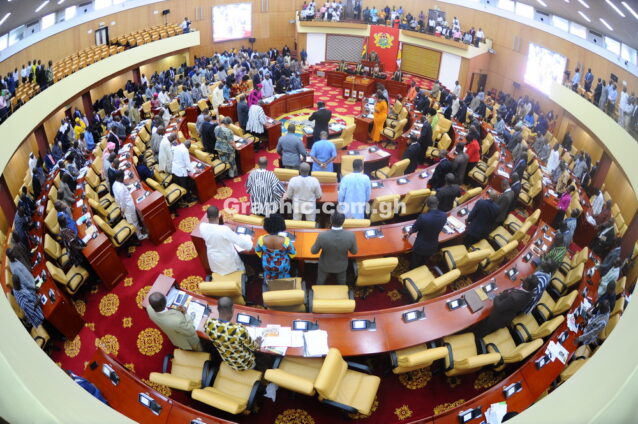
Additionally, parliamentary scrutiny of budget execution is a core democratic function. The Minority's challenge signals the legislature is monitoring government performance, though the dispute itself reflects broader concerns about fiscal governance that have periodically surfaced in Ghanaian public discourse.
Next Steps
The accusations will likely trigger parliamentary debate and calls for detailed financial documentation. The Finance Ministry is expected to respond with official figures and explanations for any variances between projected and actual revenue collection. Such exchanges are routine in parliamentary democracy, but the scale of the alleged shortfall—GHC2 billion at mid-year—suggests the issue will attract significant political and public attention.
Citizens and civil society organisations monitoring government finances will be watching how this dispute unfolds and whether it prompts reforms to budget transparency and reporting mechanisms.
Source: 3News


Comments (0)
Be the first to comment.