Fiscal discipline not stinginess, says Ketu North MP in budget defence
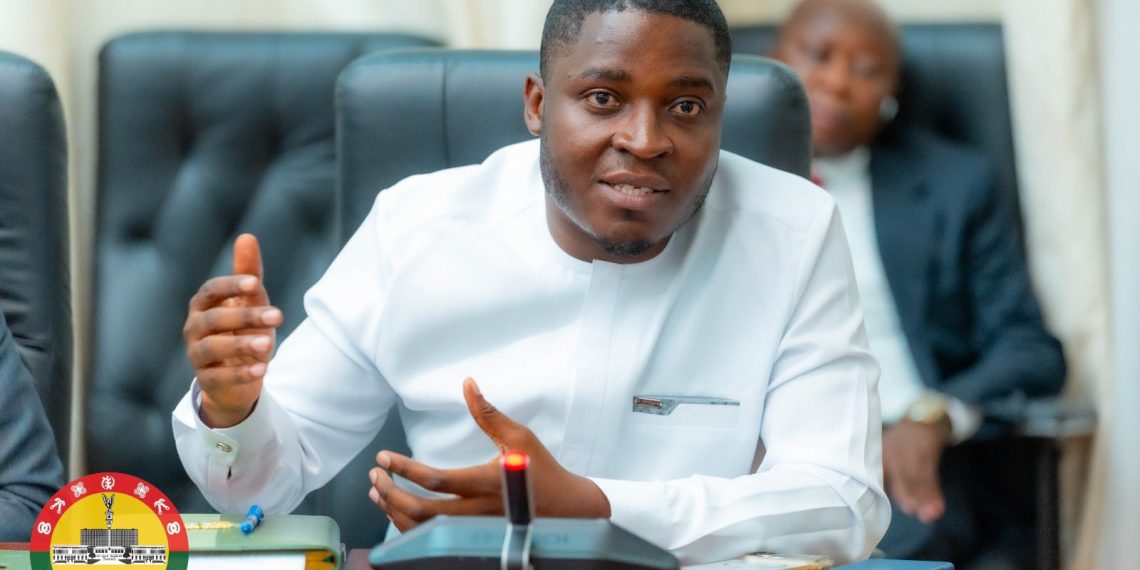
The Member of Parliament for Ketu North, Eric Edem Agbana, has pushed back against opposition criticism of government expenditure, arguing that measured fiscal discipline should not be confused with reluctance to invest in national development.
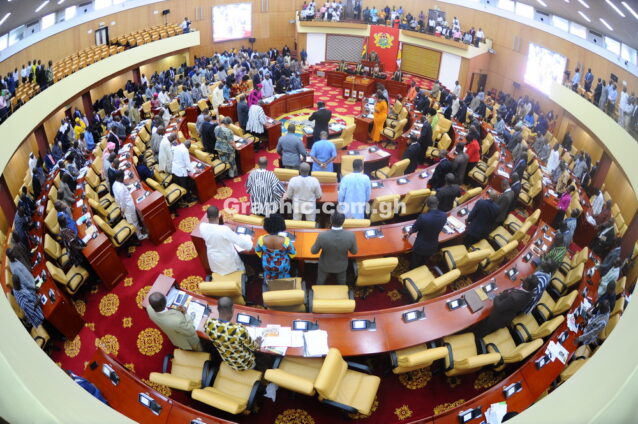
Speaking during parliamentary debate on the 2026 Mid-Year Budget Review on Wednesday, 29 July, Mr Agbana countered Minority claims that the Mahama administration has underfunded key sectors, characterising such criticism as fundamentally misleading and based on a misreading of government priorities.
The defence: spending with purpose
According to the Ketu North legislator, the government has deliberately shifted its approach to public spending away from large, poorly-planned outlays towards targeted investments that generate measurable returns. "It is not true that we are not spending," Mr Agbana stated. "The only difference is that this government is spending responsibly, this government is spending prudently and this government is investing in the right places."
He emphasised that this strategy reflects a conscious move towards strategic resource allocation rather than the broad-brush spending patterns of previous administrations. By prioritising investments that deliver real value, the government aims to balance immediate economic stimulus with long-term fiscal stability—a calculation he argues critics are either unwilling or unable to appreciate.
The MP's comments underline a key fault line in Ghana's current parliamentary debate: whether constrained spending represents prudent stewardship or economic stagnation. The Minority has signalled concern that insufficient capital injection risks dulling growth momentum and leaving pressing needs in healthcare, education and infrastructure underfunded. The Majority, by contrast, frames its approach as essential to protecting Ghana's debt sustainability and avoiding the fiscal missteps that have hampered economic progress in previous cycles.
Why it matters for Ghana
The debate between fiscal discipline and aggressive spending is not merely parliamentary theatre—it cuts to the heart of Ghana's economic management and future trajectory. After years of IMF programmes, debt restructuring, and economic volatility, successive governments have faced the difficult balance between meeting immediate development needs and maintaining macroeconomic stability.
For ordinary Ghanaians, the outcome of this debate has tangible consequences. Underfunding in health and education directly affects service delivery; constrained infrastructure spending can slow job creation and private sector growth. Conversely, excessive borrowing or poorly-targeted expenditure risks renewed fiscal crisis, currency instability, and the austerity measures that hurt households most.
The government's framing of prudent spending as a pathway to sustained growth reflects lessons from Ghana's recent economic history. The 2015-2017 fiscal crisis demonstrated the costs of unsustainable deficits. Yet critics argue that the pendulum has swung too far—that stabilisation, while necessary, should not come at the expense of bold investment in human capital and productive capacity.
How the Mahama administration resolves this tension over the remainder of its term will significantly influence Ghana's competitiveness, employment prospects, and public service quality in the coming years.
Source: MyJoyOnline


Comments (0)
Be the first to comment.