Mahama Government's Spending Restraint Sparks Debate Over Fiscal Strategy

The Mahama administration's approach to public spending has become a point of contention in Parliament, with government allies defending budget restraint as prudent fiscal management whilst opposition figures characterise it as insufficient investment in public services.
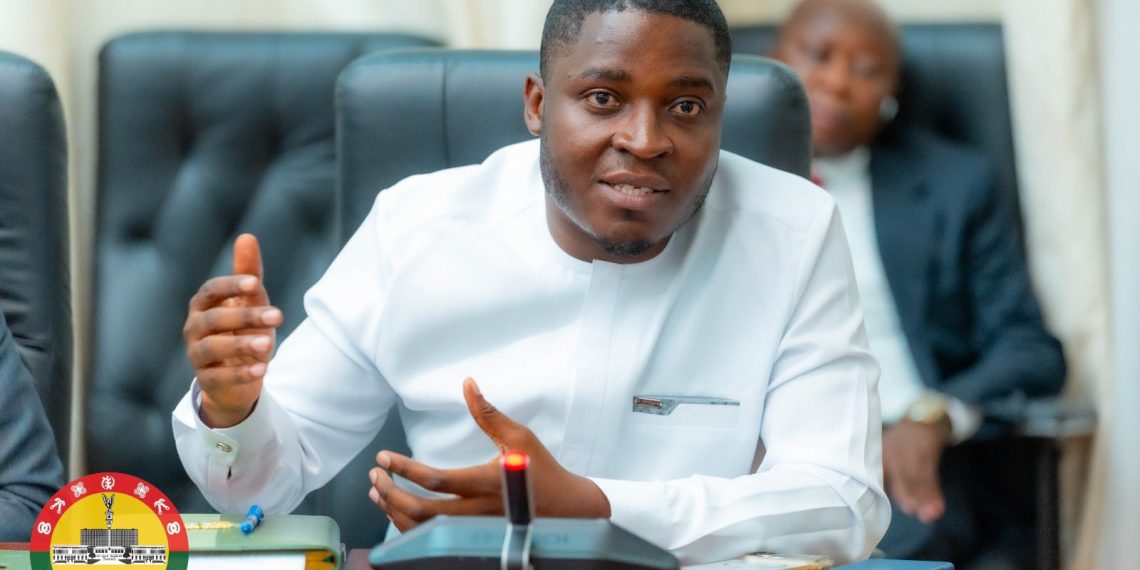
The Ketu South Member of Parliament recently articulated the government's position, arguing that careful control of expenditure represents a deliberate strategic choice rather than a failure to invest adequately in the economy. According to this view, the administration has prioritised allocating resources to sectors with the greatest potential to stimulate economic growth and enhance living standards for ordinary Ghanaians.
The Government's Defence of Fiscal Restraint
Government-aligned officials have framed the current spending approach as a departure from previous patterns of unconstrained public expenditure. They contend that by exercising discipline in the budget, the administration creates space for targeted investments in high-impact areas that can generate sustainable economic benefits.
This strategy reflects a broader economic philosophy emphasising quality over quantity in government spending. Rather than spreading resources thinly across numerous programmes, the approach concentrates funds in sectors identified as catalysts for broader economic transformation and job creation. Officials argue this targeted methodology produces better returns on public investment than generalised spending increases.
Opposition Criticism and Alternative Views
The Minority has countered that this fiscal restraint effectively amounts to underinvestment in critical public services. They argue that adequate spending on education, healthcare, infrastructure and social programmes directly improves citizens' quality of life and should not be sacrificed in pursuit of abstract economic indicators.
This disagreement reflects a fundamental tension in economic policy: whether constraining current public spending protects long-term fiscal health and enables growth, or whether it represents false economy that undermines immediate welfare and productivity.
Why It Matters for Ghana
This budgetary debate has direct implications for millions of Ghanaians. The outcome will determine funding levels for schools, hospitals, roads and social support programmes that affect daily life across the country. Citizens in rural areas and lower-income communities often depend heavily on government services, making spending priorities particularly consequential for these groups.
Ghana's fiscal situation has faced pressure from inflation, currency fluctuations and debt servicing costs in recent years. The government's restraint strategy aims to prevent unsustainable debt accumulation whilst creating conditions for investment-driven growth. However, if this means delayed improvements in critical services, citizens may experience short-term hardship even if long-term economic benefits materialise.
The debate also reflects broader questions about Ghana's economic recovery following challenging years. Different parties envision different pathways: some prioritise immediate relief and service improvements, whilst others emphasise patient fiscal discipline to establish stability for sustained growth. How Parliament resolves this disagreement will shape budget allocations for years ahead and influence Ghana's economic trajectory during a critical period.
As debates continue in Parliament, the fundamental question remains: can Ghana achieve both fiscal discipline and adequate investment in public welfare, or must policymakers choose between them? The answer will determine whether ordinary citizens feel tangible improvements in their circumstances whilst the economy strengthens.
Source: 3News


Comments (0)
Be the first to comment.