Parliament Demands Probe into GH¢13m Vaccine Institute Spending on Training and Conferences
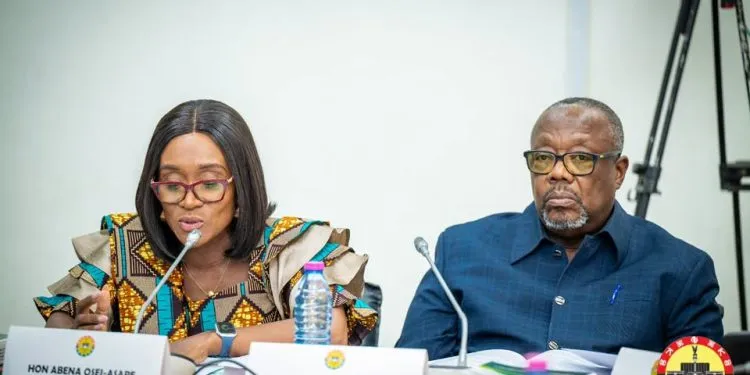
Ghana's Public Accounts Committee has escalated scrutiny of public spending at the National Vaccine Institute, directing the Ministry of Health to launch a formal investigation into GH¢13 million allocated for training programmes, seminars and conference attendance during 2025.
The parliamentary oversight body raised concerns about the scale of these administrative and professional development costs, signalling that lawmakers want clarity on how the funds were utilised and whether they represent value for money to the state.
Parliamentary Oversight in Action
The PAC's intervention reflects ongoing efforts by Parliament to monitor expenditure across government institutions. As Ghana's key vaccine delivery body, the National Vaccine Institute holds significant responsibility for the country's immunisation programmes, making its financial management a matter of public interest. The committee's decision to formally request an investigation suggests the initial budget allocation or spending pattern raised red flags during routine parliamentary review of government accounts.
Parliament's watchdog role has become increasingly visible in recent years, with the PAC regularly examining spending patterns across ministries and agencies. This particular directive demonstrates that substantial sums devoted to conferences and training—even for legitimate professional development—do not escape legislative scrutiny, particularly when the amounts appear significant relative to the institute's other operational needs.
Why It Matters for Ghana
The National Vaccine Institute plays a central role in Ghana's public health infrastructure, responsible for vaccine procurement, storage, distribution and cold-chain management across the country. Any questions about the efficiency of its operations directly affect the nation's capacity to deliver immunisation services to citizens.
For Ghanaians, this investigation carries multiple implications. First, it signals that Parliament is committed to ensuring public funds—derived from taxpayer contributions and development partners—are spent prudently. Second, if the investigation uncovers inefficiencies or unjustified spending, it could free up resources for frontline vaccine delivery or research activities. Third, maintaining public confidence in how health institutions manage money is essential for sustaining vaccination uptake and public trust in immunisation programmes.
Ghana's health sector continues to face resource constraints, making it critical that available funding is allocated strategically. Conference attendance and training programmes can be valuable investments in staff capacity and international cooperation, but they must be justified and managed transparently. The PAC's action sends a message that even necessary professional development activities require rigorous oversight.
Next Steps and Transparency
The Health Ministry now faces the task of providing detailed documentation to the PAC, including itemised breakdowns of expenditure, justifications for each training event and conference, attendance records, and measurable outcomes where applicable. The ministry will need to demonstrate that the GH¢13 million investment yielded tangible benefits for the institute's operational capacity or strategic objectives.
As this investigation proceeds, Ghanaians can expect Parliament to demand accountability and the Health Ministry to show how such spending supports the National Vaccine Institute's core mission of protecting public health through effective immunisation programmes. The outcome will likely influence how the institute budgets for similar activities in future fiscal years.
Source: 3News


Comments (0)
Be the first to comment.