Government invests GH¢917m in 321,807 tertiary students through No-Fees-Stress scheme
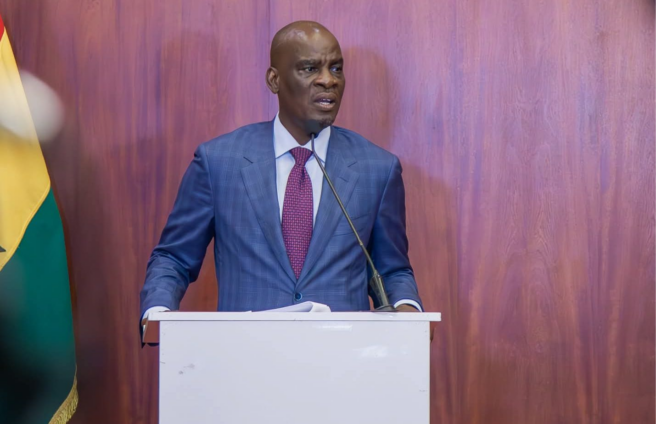
The government has deployed GH¢917 million to support more than 321,000 tertiary students through its No-Fees-Stress Policy, marking a substantial commitment to eliminating financial barriers to higher education access across Ghana. The funds, channelled directly from the Consolidated Fund through the Ministry of Finance, represent one year's worth of investment in President John Mahama's flagship education initiative aimed at reducing the tertiary education burden on families.
Education Minister Haruna Iddrisu disclosed the figure during a stakeholder engagement on the policy's implementation held in Dawu, Eastern Region, bringing together vice-chancellors, college principals, medical and student representatives, and parliamentary education officials. The scale of support underscores the government's determination to make tertiary education accessible regardless of students' financial circumstances or geographical location.
How the No-Fees-Stress initiative works
Launched formally on 4 July 2025, the No-Fees-Stress Policy operates through five distinct components designed to remove multiple layers of financial difficulty. The scheme covers academic fees directly, provides free tertiary education to persons with disabilities, offers enhanced student loans with reduced interest rates and higher borrowing limits, and includes a new students loan plus initiative. Additionally, the programme has introduced digitalisation to streamline loan applications and access, making the process simpler for students across Ghana's tertiary institutions.
A notable expansion under this policy is the inclusion of law students in the loan scheme for the first time in many years, with the Education Minister indicating similar moves are planned for medical students in future years. The Students Loan Trust Fund (SLTF), the statutory agency implementing the programme, has also introduced bridge funding to address immediate financial needs of students in special education programmes during the current academic year.
Why it matters for Ghana
The No-Fees-Stress Policy addresses a critical challenge in Ghana's education landscape: talented students from disadvantaged backgrounds have historically been unable to afford tertiary education despite qualifying academically. By removing tuition fees as a barrier, the policy acknowledges tertiary education as a strategic national investment rather than a private family expense.
This shift has immediate implications for social mobility, economic development, and the nation's competitiveness. When students from poor, middle-income and wealthy families alike can access university and technical education without financial stress, Ghana builds a larger pool of skilled professionals in critical sectors including law, medicine, engineering, and technology. The government's emphasis on this as human capital development—not mere expenditure—signals a long-term vision for national productivity and innovation.
However, the Education Minister acknowledged a persistent challenge: delays in releasing budgetary allocations undermine the policy's effectiveness. If funds arrive late in the academic year, students still face temporary financial hardship despite the government's commitment. Addressing these timing issues remains essential to maximising the programme's impact and maintaining public trust in its sustainability.
The SLTF Board Chairperson, Cynthia Amerley Amarteifio, emphasised that under the reset agenda, access, inclusion, affordability and sustainability have become central to government education policy—marking a departure from previous approaches where tertiary education financing fell primarily on families and students themselves.
Source: Today GH



Comments (0)
Be the first to comment.