
Government Disbursses Over GH¢4.40 Billion to Shore Up SSNIT and Second-Tier Pension Schemes
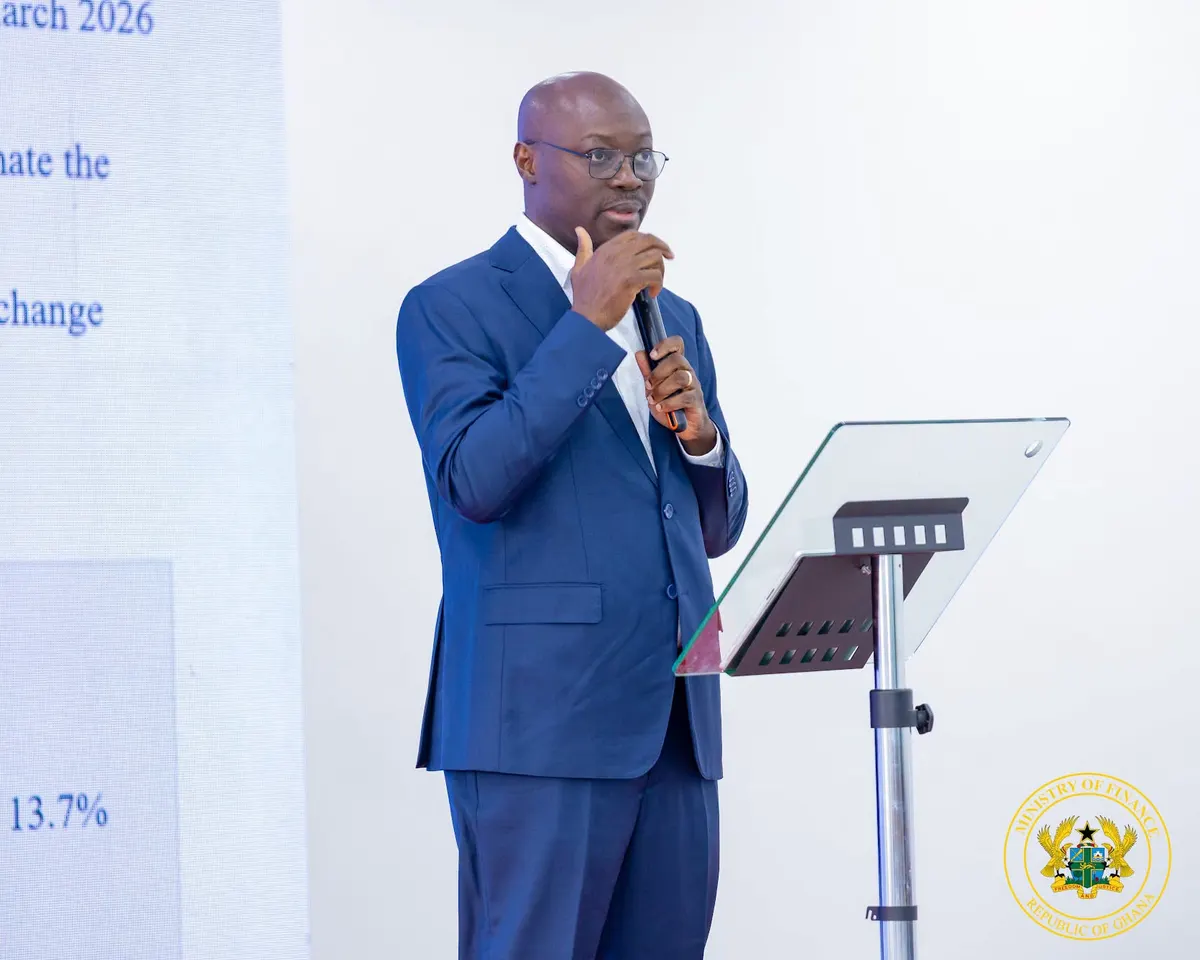

The Ministry of Finance has released over GH¢4.40 billion to honour government's commitments to the Social Security and National Insurance Trust (SSNIT) and second-tier pension schemes, according to Finance Minister Ato Forson. The payment underscores the government's effort to stabilise the country's pension system and ensure workers' retirement savings remain protected amid economic pressures.
The funds allocated represent a significant injection into Ghana's two-pillar pension framework, which comprises the mandatory public scheme managed by SSNIT and private second-tier pension funds that allow workers to build supplementary retirement benefits. Both components are critical to the social security architecture that millions of Ghanaians rely upon for retirement income.
Protecting Workers' Retirement Security
Government obligations to pension funds have been a persistent fiscal challenge, particularly as demographic shifts and economic volatility place strain on the system. The release of these funds signals the administration's commitment to meeting statutory obligations and preventing pension payment delays that have periodically affected beneficiaries.
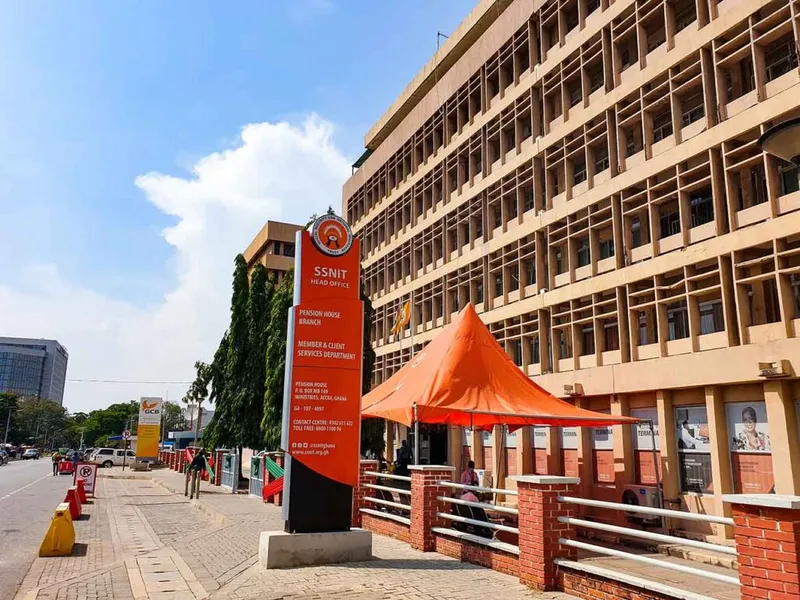
SSNIT, as the primary public pension administrator, manages contributions from both employers and employees across the formal sector. Second-tier pension funds complement this scheme by offering workers the opportunity to build additional savings through regulated private pension providers. Both systems require government support during periods when contribution revenues fall short of benefit obligations.
Why It Matters for Ghana
Pension security directly affects millions of Ghanaian workers and retirees who depend on these systems for survival in their old age. Any disruption to pension payments can trigger economic hardship for vulnerable populations and erode public confidence in social security institutions.
The timely release of funds also has broader economic implications. Pension payments represent significant purchasing power that flows back into the economy as beneficiaries spend on goods and services. Additionally, maintaining confidence in the pension system encourages formal sector participation and employment compliance, which generates additional government revenue through payroll contributions.
Ghana's pension system has faced sustainability questions, driven by demographic trends, informal employment prevalence, and periods of inadequate government funding. Regular government disbursements help stabilise the system, though long-term solutions will require structural reforms to ensure the schemes remain viable as the population ages and workforce dynamics shift.
System Stability and Future Outlook
The Finance Minister's announcement reflects recognition that honouring pension obligations is both a statutory requirement and a governance priority. Regular, predictable government transfers help pension administrators plan benefit payments, maintain reserve adequacy, and restore trust among contributors and beneficiaries.
Workers contributing to both SSNIT and second-tier schemes can take assurance from confirmation that government is meeting its financial responsibilities. However, the broader challenge of pension system sustainability will likely require sustained fiscal discipline and potentially legislative reforms to strengthen contribution mechanisms and adjust benefit structures to match demographic realities.
Source: 3News



Comments (0)
Be the first to comment.