GNFS leadership visits injured Koforidua firefighter, pledges support for recovery
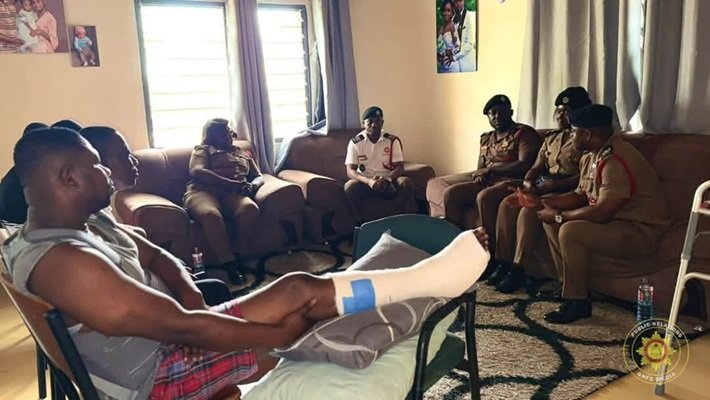
The Ghana National Fire Service has demonstrated its commitment to personnel welfare by dispatching a high-level delegation to visit Station Officer II James Atuahene, who was injured during a fire emergency in Koforidua. The visit, made on behalf of Chief Fire Officer Daniella Mawusi Ntow Sarpong, underscores the Service's dedication to supporting officers who sustain injuries whilst executing their duties.
The delegation, led by Acting Director of Health Services ACFO II Mary Blankson, travelled to the Eastern Region to personally convey the Chief Fire Officer's well-wishes to the injured officer. The team also included Eastern Regional Fire Officer 2IC DOI George Korda and other senior officials from the national headquarters. During the visit, the delegation presented financial assistance to support Atuahene's medical treatment and aid his recovery process.
Support in the line of duty
The gesture reflects broader institutional efforts within the GNFS to ensure that firefighters injured whilst responding to emergencies receive adequate care and backing from leadership. Such visits serve both a practical purpose—providing tangible financial relief—and a symbolic one, reinforcing to personnel that their sacrifices are recognised and valued by management.
Fire service operations carry inherent risks, with officers regularly exposed to dangerous conditions whilst protecting lives and property. Injuries sustained during active duty place financial and emotional strain on affected personnel and their families. By providing direct financial support alongside leadership engagement, the GNFS signals that it views occupational injuries not as individual misfortunes but as institutional responsibilities.
Why it matters for Ghana
Ghana's firefighting personnel operate under challenging conditions across urban and rural areas, often with limited resources. The visibility of high-level management support for injured officers has implications beyond the immediate case: it sets expectations for how the Service treats its workforce, potentially affecting morale and retention among active firefighters and recruitment into the profession.
The Eastern Region, where this incident occurred, has experienced several significant fire emergencies in recent years. The GNFS continues to manage emergency response across the country whilst dealing with infrastructure and resource constraints. Ensuring that personnel feel supported after injuries encourages a culture of duty and resilience within the Service.
Moreover, the decision to publicise this visit suggests the GNFS is actively communicating its commitment to personnel welfare—an important message in a sector where staff motivation and commitment are crucial to public safety outcomes.
Moving forward
The incident involving Station Officer Atuahene adds to growing awareness of occupational hazards faced by emergency responders in Ghana. As the country's economy develops and urbanisation increases, fire response demands continue to rise. Supporting injured personnel through both immediate financial aid and institutional recognition helps ensure the GNFS can maintain operational capacity and retain experienced officers.
The visit also reflects broader conversations in Ghana about duty-of-care obligations towards public sector workers, particularly those in high-risk professions. How institutions respond to personnel injuries often sets precedent for broader workplace practices across government agencies.
Source: The Ghanaian Times


Comments (0)
Be the first to comment.