
Global oil prices surge amid Middle East tensions—what Ghanaian fuel consumers need to know
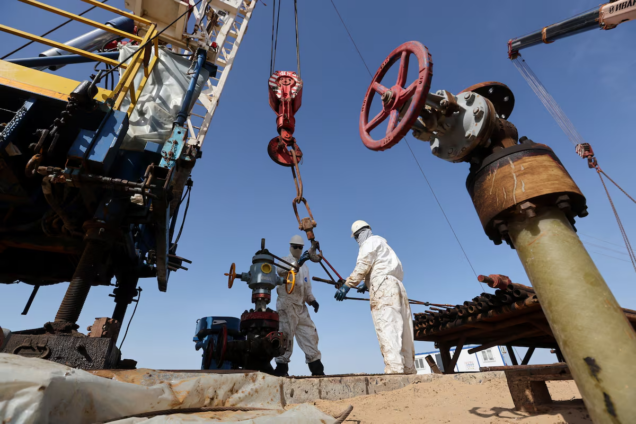

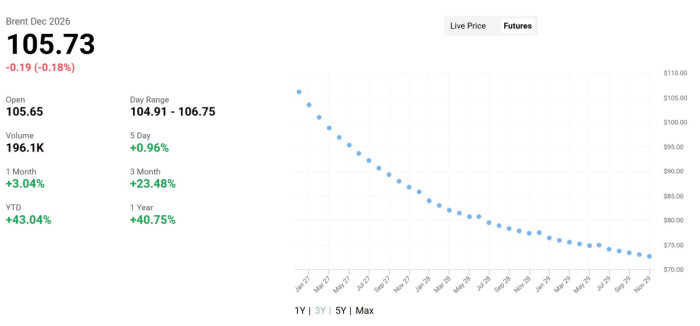
Global crude oil prices jumped sharply on Wednesday following military escalations in the Middle East, with Brent crude climbing $3.30 per barrel to $87.39—a development that could soon ripple through Ghana's fuel pump prices and broader economy.
The spike followed coordinated strikes by United States and Saudi Arabian forces against Iran-backed militia positions in Iraq, alongside Iran's ballistic missile attacks on US military installations. Although US and Saudi air defences intercepted the missiles, the escalation signals deepening tensions in one of the world's most strategically important oil-producing regions, prompting traders to price in supply risk premiums.
What drove the price surge
The immediate catalyst was multi-layered. The US military intercepted ballistic missiles that Iran's Revolutionary Guards fired at American bases and command centres in the Middle East. Separately, Saudi Arabia conducted strikes against Iranian-backed drone operators in Iraq who had targeted Saudi oil infrastructure. Compounding upward pressure, US crude inventories fell by 3.3 million barrels during the week ended July 24, signalling tightening supply conditions.
West Texas Intermediate (WTI) crude, the US benchmark, rose $3.05 per barrel to $82.31. Energy analysts flagged that the geopolitical standoff dampens near-term expectations for de-escalation, meaning volatility could persist. Additionally, OPEC+ production plans may tighten further, with the cartel reportedly preparing to pause fresh output increases from October onwards.
Why it matters for Ghana
Ghana's reliance on imported crude oil makes the country particularly vulnerable to global price shocks. As an import-dependent economy, when international oil prices climb, the costs feed through to fuel imports, transport, and electricity generation—ultimately pressuring consumer pump prices and inflation.
The National Petroleum Authority and Ministry of Energy monitor these global trends closely. Past spikes in crude have coincided with fuel price hikes that triggered public backlash and squeezed household budgets, particularly among transport operators and small traders. A sustained period of elevated oil prices could strain Ghana's current account balance and complicate the government's fiscal position, especially as the country navigates IMF programme requirements and domestic energy inflation concerns.
Oil price volatility also affects Ghana's own oil sector revenues. While higher prices can boost earnings from Ghanaian production (primarily from the Jubilee and Tweneboa-Enyenra-Ntomme fields), they also raise operational costs and create uncertainty for investment planning. Energy sector analysts will be watching whether these Middle Eastern tensions prove temporary or signal a longer geopolitical shift that sustains higher global prices.
What happens next
Traders and policymakers across Africa are monitoring the situation closely. The coming days will clarify whether the US-Iran confrontation eases or escalates further—a critical variable for oil markets. Any additional military action or supply disruptions from the Middle East could push prices higher still, directly impacting Ghana's fuel costs and broader inflation outlook.
Source: Today GH


Comments (0)
Be the first to comment.