
Ghana to Teach AI, Robotics and Coding from Kindergarten Under Proposed Curriculum Overhaul
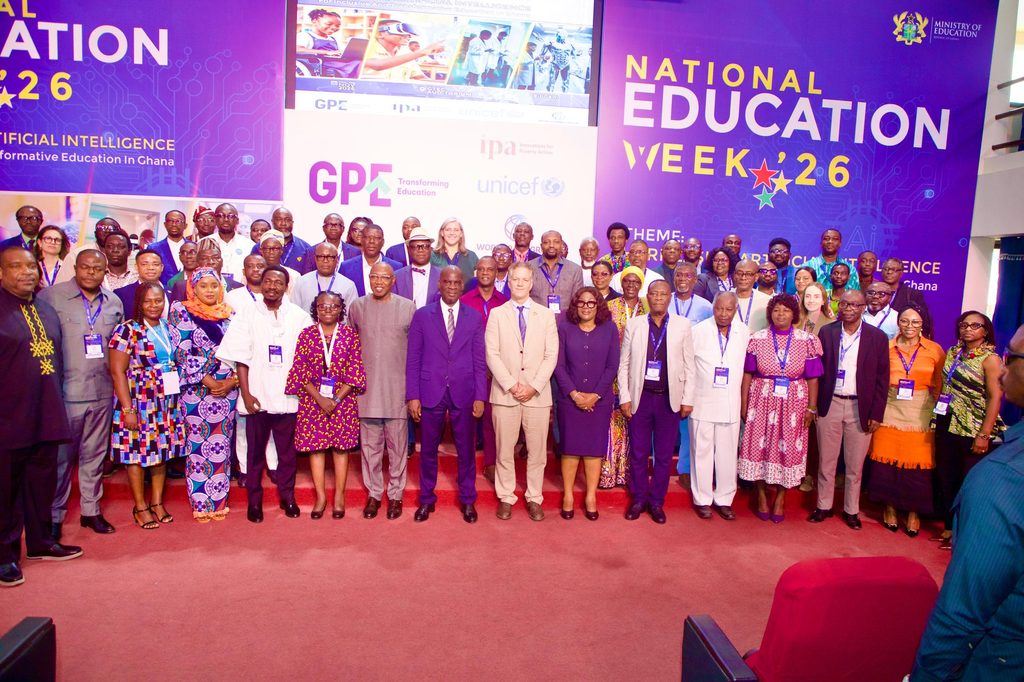

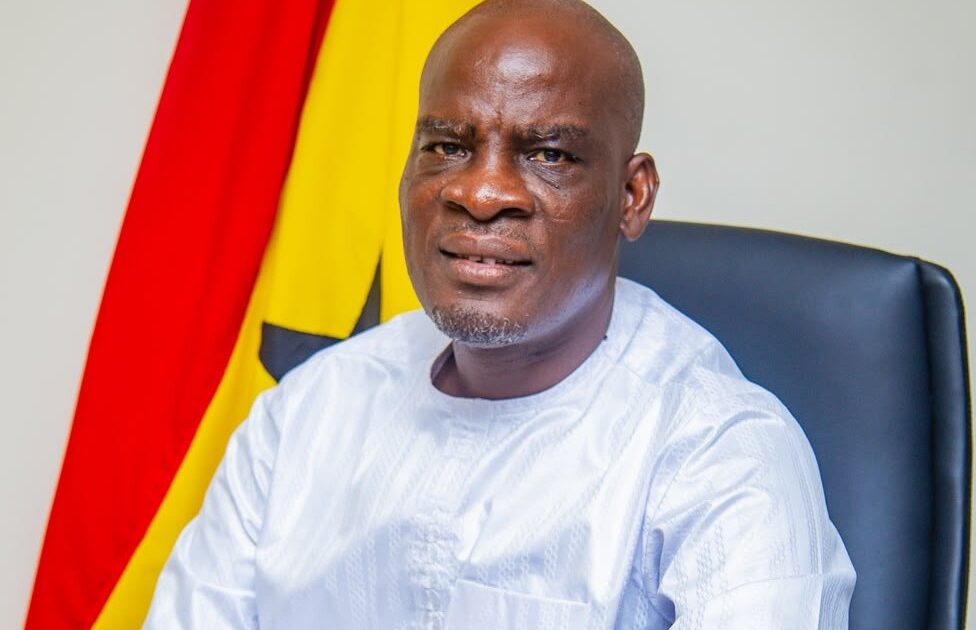
Ghana's government is planning a sweeping overhaul of the basic school curriculum that would see children as young as four years old introduced to artificial intelligence, robotics, coding and electronics. Education Minister Haruna Iddrisu made the announcement at the opening of the 2026 National Education Week and Evidence Summit held in Accra, signalling a bold shift in how the country intends to prepare its youngest learners for an increasingly technology-driven world.
What is being proposed?
Under the proposed changes, learners from Kindergarten through to Primary Six would be exposed to emerging technologies as core parts of their schooling experience. The plan is designed not merely to introduce children to gadgets, but to build foundational digital literacy and problem-solving skills from the earliest stages of education.
Minister Iddrisu was clear that the revised curriculum had not yet received Cabinet approval, meaning the changes are still subject to formal government sign-off before they can be implemented. However, the fact that the proposal is being discussed publicly at a high-profile national education forum suggests the government is committed to pushing it through.
The Minister also struck a note of caution, warning that whilst AI holds enormous promise for improving learning outcomes, over-reliance on the technology risks undermining the very skills education is meant to nurture. He stressed that critical thinking, creativity and problem-solving must remain at the heart of Ghanaian education, and that technology should empower teachers rather than replace them.
Why it matters for Ghana
Ghana, like many African nations, faces a widening skills gap as the global economy shifts rapidly towards automation and digital services. Introducing technology education at the foundational level is widely regarded by education experts as one of the most effective ways to close that gap over the long term. Children who grow up comfortable with coding and AI concepts are far better positioned to compete in both local and international job markets.
The move also speaks to a broader continental conversation. Across Africa, governments are grappling with how to modernise curricula that in many cases have changed little in decades. Ghana positioning itself as an early mover on AI and robotics education at the basic school level could offer valuable lessons — and a competitive advantage — for the country's future workforce.
There are, of course, practical challenges. Rolling out technology education from Kindergarten requires reliable electricity, internet connectivity, trained teachers and appropriate hardware — resources that are unevenly distributed across Ghana's regions. Whether urban-rural equity will be addressed in the final curriculum design remains a critical question that policymakers will need to answer.
Jobs boost and broader education plans
Alongside the curriculum announcement, Minister Iddrisu revealed that the 2027 Budget includes provision for 10,000 recruitment opportunities across the education sector. The vacancies are expected to cover both teaching and non-teaching staff, as well as academic personnel at the university level — a development that will be welcomed by Ghana's large pool of trained but unemployed educators.
- The recruitment drive signals government recognition that expanding and modernising education requires not just new content, but more human capacity to deliver it effectively.
- University staffing has been a persistent concern in Ghana, with many institutions operating below recommended lecturer-to-student ratios.
- The combined announcements — curriculum reform and mass recruitment — suggest the government is attempting a broad reset of the education sector ahead of what it hopes will be a technology-led economic era.
As Ghana awaits Cabinet's decision on the curriculum revision, educators, parents and technology advocates will be watching closely. The proposal, if approved and properly resourced, could mark one of the most significant shifts in Ghanaian basic education in a generation.
Source: MyJoyOnline



Comments (0)
Be the first to comment.