
Ghana to Slash Taxes on Solar Panels and Batteries in Major Push for Affordable Clean Energy


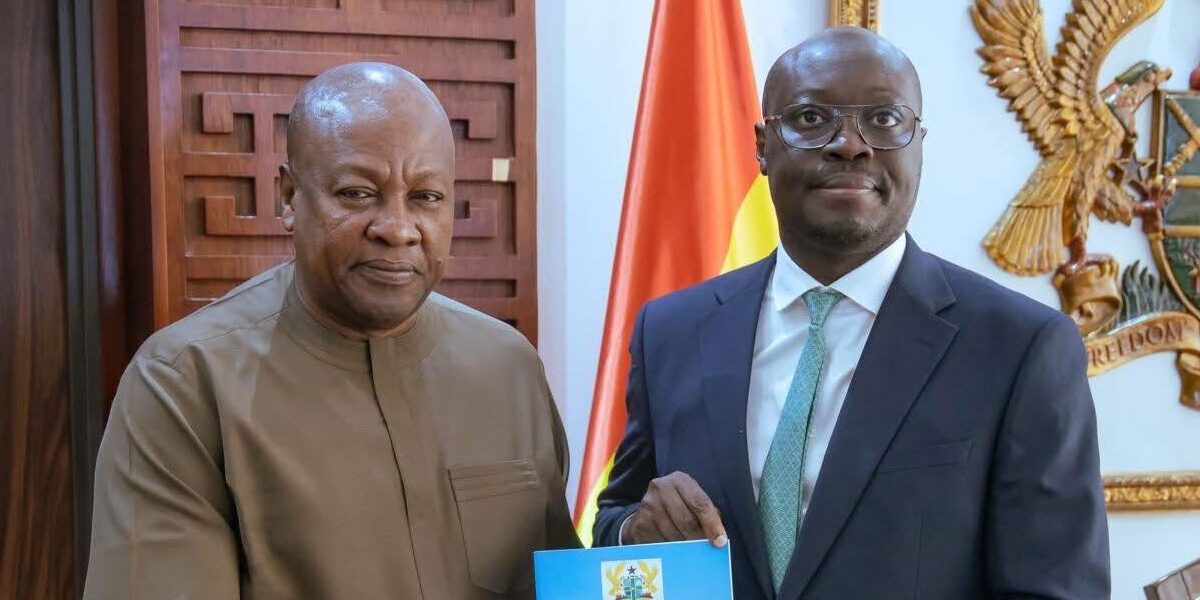
Ghana is set to take a significant step towards making clean energy more accessible to ordinary citizens, after Finance Minister Dr. Cassiel Ato Forson announced that the government will eliminate import duties and import VAT on solar panels and batteries. The move is expected to substantially reduce the upfront cost of adopting solar energy, a barrier that has long kept many Ghanaian households and businesses from making the switch away from the national grid.
What the policy means for everyday Ghanaians
At present, solar panels and their accompanying battery storage systems attract both import duties and VAT when brought into the country, adding a considerable premium to equipment that is already a significant investment. By removing these levies, the government aims to bring down the retail price of solar installations, making them competitive with — and in many cases cheaper than — relying solely on electricity from the national grid over the long term.
For households in areas that experience frequent power outages, or in rural and peri-urban communities that remain off-grid entirely, the policy could be transformative. Small businesses that currently spend heavily on fuel to power generators may also find solar a far more attractive and economical alternative once the tax burden is lifted.
- Import duties and VAT on solar panels will be fully removed under the new policy.
- Battery storage systems are also included in the tax relief, making complete solar setups more affordable.
- The announcement was made by Finance Minister Dr. Cassiel Ato Forson as part of the government's broader economic agenda.
Why it matters for Ghana
Ghana has long grappled with energy sector challenges, including power reliability issues and the high cost of electricity for consumers and businesses alike. The country's electricity tariffs have risen repeatedly in recent years, placing a heavy burden on households already under pressure from inflation and the high cost of living.
At the same time, Ghana has committed to international climate targets that require a meaningful shift towards renewable energy sources. Solar power, given the country's strong year-round sunshine, is widely regarded by energy experts as one of the most promising pathways to both energy independence and emissions reduction. However, the high initial cost of solar installations — driven in part by import taxes — has meant that uptake has remained relatively low compared to the country's potential.
Removing these taxes aligns Ghana with several other African nations that have pursued similar duty waivers to accelerate solar adoption. Countries such as Kenya and Rwanda have seen measurable increases in solar uptake following the removal of import levies, offering a promising precedent for what Ghana could achieve.
Beyond individual households, the policy could also stimulate a growing local solar industry, with more suppliers, installers and technicians required to meet increased demand — potentially creating jobs and building technical capacity across the country.
What comes next
While the announcement signals clear political intent, the removal of these duties will need to be formally legislated, typically through the annual budget and appropriations process or specific statutory instruments. Industry stakeholders and consumer groups are expected to welcome the news, though many will be watching closely to ensure the savings from the tax removal are genuinely passed on to end consumers rather than absorbed as profit margins by importers and distributors.
Civil society organisations focused on energy access are also likely to push for complementary measures — such as affordable financing schemes or government subsidies for low-income households — to ensure the policy benefits reach the most vulnerable segments of the population and not just those already in a position to invest in solar infrastructure.
If implemented effectively, the scrapping of import duties and VAT on solar panels and batteries could mark one of the most consequential energy policy shifts Ghana has seen in recent years — one with the potential to reshape how millions of Ghanaians power their homes and livelihoods.
Source: 3News




Comments (0)
Be the first to comment.