Ghana to establish independent commission for top officials' pay—ending presidential control
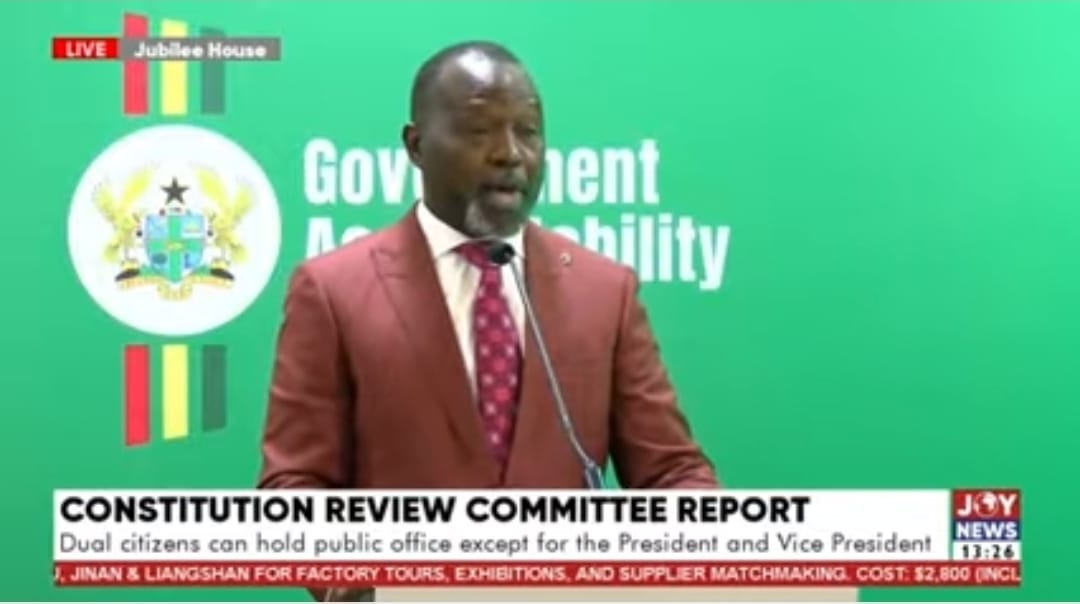
Ghana's government has committed to establishing an independent Public Emoluments Commission to determine the salaries, allowances and benefits of Article 71 office holders, marking a significant shift away from the current system where a presidential committee sets its own compensation. Attorney General Dominic Ayine announced the move on Thursday as part of a broader constitutional reform programme aimed at strengthening democratic institutions.
The existing arrangement has long drawn criticism for allowing the President—through a committee of his appointees—to effectively determine his own salary alongside those of other senior officials including the Vice-President, Members of Parliament, judges and Electoral Commission leadership. This structural conflict of interest has fuelled public scepticism about whether remuneration decisions truly reflect national priorities or political convenience.
What the new commission will do
The proposed independent body will assume responsibility for setting the emoluments of all Article 71 office holders—a broad category that encompasses the President and Vice-President, all Members of Parliament, ministers of state, justices of the superior courts, and heads of constitutional institutions including the Electoral Commission and National Commission for Civic Education.
Dr Ayine argued that transferring this authority to an independent statutory commission would eliminate perceptions of impropriety and restore public confidence. "An independent commission will bring transparency and equity to this matter once and for all," he stated, emphasising that the reform removes longstanding concerns about political influence in compensation decisions.
Why this matters for Ghana
The controversy over Article 71 salaries has been a recurring flashpoint in Ghanaian politics and public discourse. Citizens and civil society organisations have repeatedly questioned whether officials' generous packages—especially during periods of economic hardship—reflect democratic accountability or elite self-interest. The current system's optics are particularly damaging when citizens struggle with cost-of-living pressures whilst senior officials award themselves increases.
An independent commission could reshape public trust in governance by demonstrating that salary-setting decisions follow transparent, merit-based criteria rather than political whim. It also aligns Ghana with international best practice in many democracies, where independent bodies insulate remuneration decisions from executive influence.
However, the reform's success will depend on the commission's actual independence—its composition, appointment process, and freedom from political pressure will be critical. Ghanaians will watch closely whether the government implements this genuinely or creates only the appearance of independence.
The proposal forms part of a wider constitutional reform package intended to modernise Ghana's democratic architecture and improve accountability across state institutions. If enacted, it represents one of the most substantive changes to how the country's political elite determines its own compensation since the 1992 Constitution's adoption.
Source: MyJoyOnline



Comments (0)
Be the first to comment.