
NCCE Deepens Anti-Corruption Push in Krachi East, Empowering Women as Change Agents

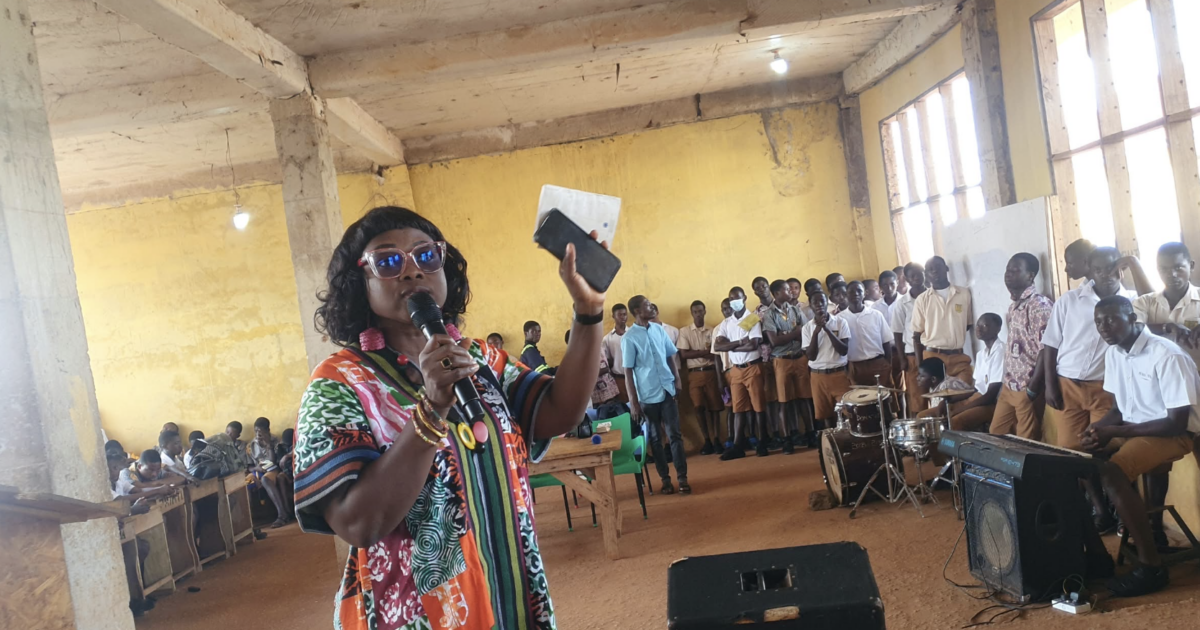
The National Commission for Civic Education (NCCE) has intensified its civic awareness drive in the Krachi East Municipality, bringing together women's groups for a critical follow-up session aimed at translating anti-corruption knowledge into real community action. The engagement, held at the Church of Pentecost in Dambai Central Assembly, brought together more than 60 women who had participated in earlier awareness campaigns across the municipality.
The session represents a strategic shift by the NCCE from one-off awareness campaigns to sustained, reinforced civic education. Officials acknowledged that initial engagements alone have proven insufficient to drive lasting behavioural change, and that continuous dialogue, experience-sharing and reinforcement of key messages are essential to embedding anti-corruption and rule-of-law principles into communities.
Addressing Real Barriers to Fighting Corruption
A central focus of the follow-up engagement was identifying and tackling practical obstacles that prevent women from reporting corruption. The NCCE highlighted that women frequently encounter corrupt practices in their daily dealings with public institutions, markets and service providers, yet often remain silent due to fear of victimisation, unfamiliarity with reporting procedures, and cultural norms that discourage speaking out against wrongdoing.
Chief Inspector Charles Adams of Dambai Division Command guided participants through reflections on their experiences since the initial training, examining both successes and challenges they had faced. Mr Samuel Annan, an ADO1 officer at the Krachi East Municipal Fire Command, specifically addressed strategies for overcoming reporting barriers and strengthening community integrity through women's associations and collective action.
Why It Matters for Ghana
This initiative reflects a broader national recognition that women, as household heads, traders, farmers and community leaders, occupy pivotal positions in the fight against corruption. When women are equipped to identify corrupt practices and empowered to report them safely, entire communities benefit. The NCCE's approach aligns with Ghana's commitments under international anti-corruption frameworks and national governance priorities.
The Krachi East engagement is part of a larger NCCE project spanning 60 districts nationwide, suggesting this is a coordinated national strategy to institutionalise civic awareness. By targeting women specifically, the Commission recognises that sustainable anti-corruption progress requires buy-in from across all demographic groups, particularly those most vulnerable to corruption's effects.
The success of such initiatives depends on participants translating knowledge into practical action—reporting corrupt officials, resisting bribery, holding service providers accountable, and promoting transparency within their families and workplaces. The NCCE's emphasis on reinforcement and peer-learning through women's associations suggests an understanding that community accountability mechanisms, not just formal institutions, are vital to Ghana's anti-corruption agenda.
Source: MyJoyOnline




Comments (0)
Be the first to comment.