
Constitutional awareness and digital citizenship take centre stage as NCCE engages Kwadaso students
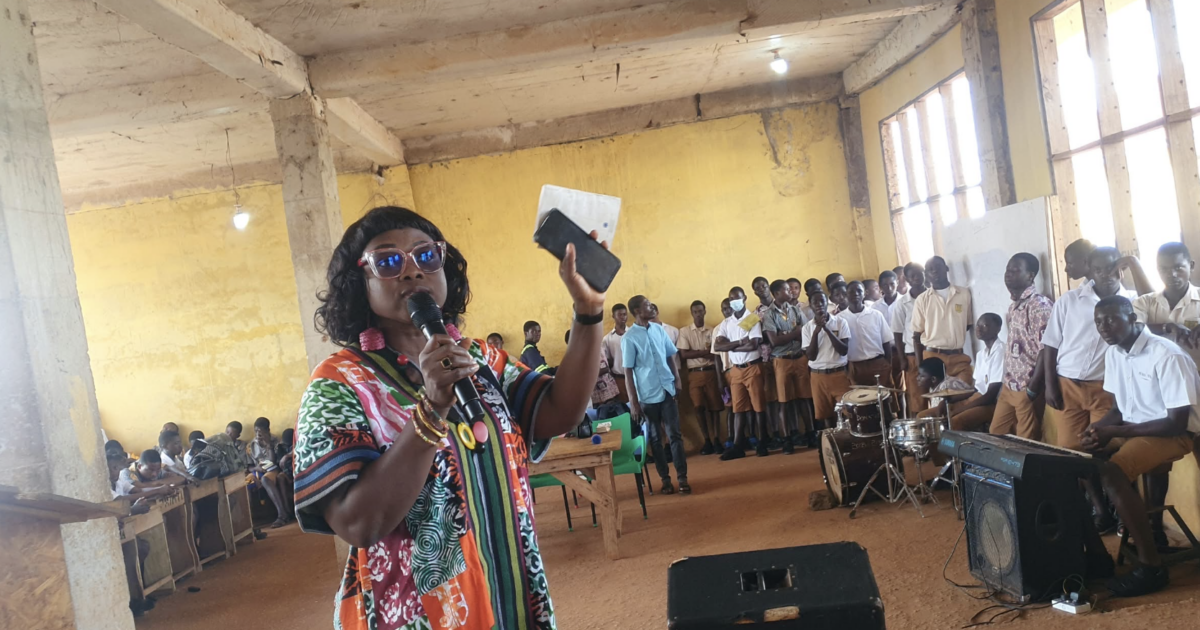

The Kwadaso Municipal Directorate of the National Commission for Civic Education (NCCE) has launched a targeted civic education programme aimed at strengthening constitutional awareness among young Ghanaians. The initiative engaged students from two prominent senior high schools in the municipality—Prempeh College and Methodist Technical School—in discussions centred on the 1992 Constitution and its relevance to modern democratic citizenship.
Ms Mavis Achiaa, the Kwadaso Municipal Director of NCCE, led the engagement under the theme "Upholding Our Constitution in the Digital Age: Our Collective Responsibility." She emphasised that Ghana's 1992 Constitution serves as the supreme law and foundation of the nation's democratic governance, guaranteeing citizens their fundamental human rights whilst simultaneously outlining their civic duties and obligations to the state.
Digital citizenship and constitutional responsibility
A key focus of the NCCE programme was addressing the intersection of constitutional values and digital behaviour. Ms Achiaa highlighted how rapid technological advancement has transformed the landscape of communication and civic engagement, presenting both opportunities and challenges. Whilst digital platforms have expanded access to information and improved connectivity, they have simultaneously created new risks including misinformation, cybercrime, online abuse, identity theft, and digital fraud.
The NCCE warned that irresponsible use of social media and other digital platforms poses tangible threats to national cohesion and democratic stability. Students were urged to demonstrate responsible behaviour both online and offline, recognising that their digital conduct carries real consequences for the broader society. The interactive session allowed participants to raise practical concerns about online safety, cyberbullying, and how young people can protect themselves whilst contributing positively to national development.
Why it matters for Ghana
This NCCE initiative addresses a critical gap in Ghana's civic education landscape. As the nation navigates rapid digitalisation and increasing youth engagement on social media platforms, strengthening constitutional literacy among students becomes essential. The 1992 Constitution remains the framework governing Ghana's democracy, and young citizens' understanding of their rights and responsibilities directly influences the health of democratic institutions.
Ghana has experienced recurring challenges with online misinformation and social media-driven polarisation during election periods and national debates. By equipping secondary school students with both constitutional knowledge and digital literacy, the NCCE is investing in long-term democratic resilience. The establishment of Civic Education Clubs within the schools signals a commitment to sustaining this learning beyond single engagements, creating space for ongoing dialogue about citizenship and governance.
Teachers who participated commended the NCCE for the initiative and called for expanded programming across more schools within the municipality and nationally. The students' pledges to apply their learning in academic and personal contexts suggest receptiveness among the youth demographic to civic education when delivered in engaging, relevant formats.
Building sustainable civic engagement
The establishment of Civic Education Clubs represents an important structural innovation. Rather than treating constitutional education as a one-off activity, these clubs create institutional mechanisms for continuous learning and peer-to-peer knowledge-sharing among students. This approach aligns with broader efforts to strengthen Ghana's civic culture and foster a generation of informed, responsible citizens who understand both the opportunities and obligations that come with living in a constitutional democracy.
Source: MyJoyOnline


Comments (0)
Be the first to comment.