
Ghana to build $2bn gas processing hub, creating 1,000 jobs and boosting energy security

Ghana is moving forward with a major energy infrastructure project that could reshape the nation's energy landscape and generate substantial economic returns. The government, working with private sector partners, is developing a 100 million standard cubic feet per day (mmscfd) modular gas processing facility that Finance Minister Dr Cassiel Ato Forson says will create nearly 1,000 jobs and deliver around US$2 billion in state benefits over five years.
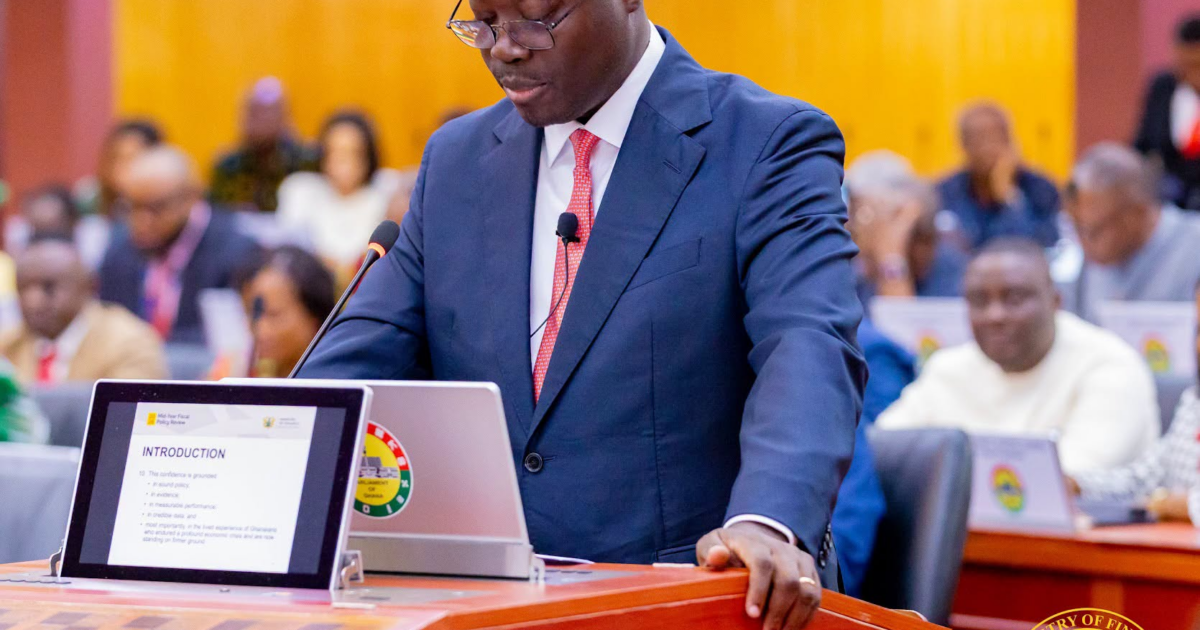
Dr Forson unveiled the initiative during Parliament's presentation of the 2026 Mid-Year Budget Review on Thursday, July 23, positioning it as a cornerstone of Ghana's strategy to strengthen energy independence and reduce the country's reliance on imported fuel. Land acquisition for the facility has already been completed, with environmental assessments, engineering design, financial due diligence and project structuring currently underway. The government expects to submit the completed project framework to Parliament for approval, with financial close targeted before the end of 2026.
Economic and energy benefits
The modular gas facility represents a significant opportunity to address Ghana's persistent energy challenges whilst generating revenue. According to Dr Forson, the projected benefits will flow from multiple sources: fuel savings for the economy, foreign exchange conservation, corporate taxes, levies and dividends to the state. These revenue streams are expected to ease pressure on Ghana's foreign exchange reserves, a persistent concern for policymakers, whilst reducing the burden of fuel-related costs on businesses and households.
By processing more gas domestically rather than exporting it in raw form, Ghana can capture greater value from its natural resources. The facility's modular design allows for scalability and efficiency, making it an attractive model for expanding gas processing capacity without requiring massive upfront capital expenditure.
Why it matters for Ghana
This project carries significant implications for Ghana's industrial competitiveness and macroeconomic stability. Reliable, affordable energy is essential for attracting foreign direct investment and supporting local manufacturing. Currently, Ghana's energy costs remain high compared to some regional competitors, constraining business expansion and competitiveness. A domestic gas processing facility would directly address this constraint by ensuring stable domestic supply at lower cost.
The job creation aspect—nearly 1,000 positions—is also noteworthy at a time when youth unemployment remains a concern. These positions would span construction, operations, maintenance and support services. Beyond direct employment, the project will generate demand for local suppliers, contractors and service providers, creating indirect economic opportunities across the supply chain.
The facility also aligns with Ghana's position within West Africa's energy sector. As regional demand for electricity grows and the continent transitions toward cleaner energy sources, Ghana can position itself as a reliable gas supplier and processing hub for neighbouring nations. This could strengthen Ghana's role in ECOWAS energy cooperation whilst generating additional revenue through regional trade.
Next steps and timeline
The government is operating on a structured timeline to move the project forward. Current preparatory phases focus on technical and financial rigour to ensure the project's viability and sustainability. Parliamentary consideration of the project framework will be crucial; approval at that stage will signal investor confidence and unlock the remaining financing needed to achieve financial close before the end of 2026. Once operational, the facility is expected to deliver sustained benefits across job creation, government revenue and improved energy security for years to come.
Source: MyJoyOnline




Comments (0)
Be the first to comment.