Ghana should adopt fixed campaign periods to improve governance, says NDC chair Asiedu Nketia
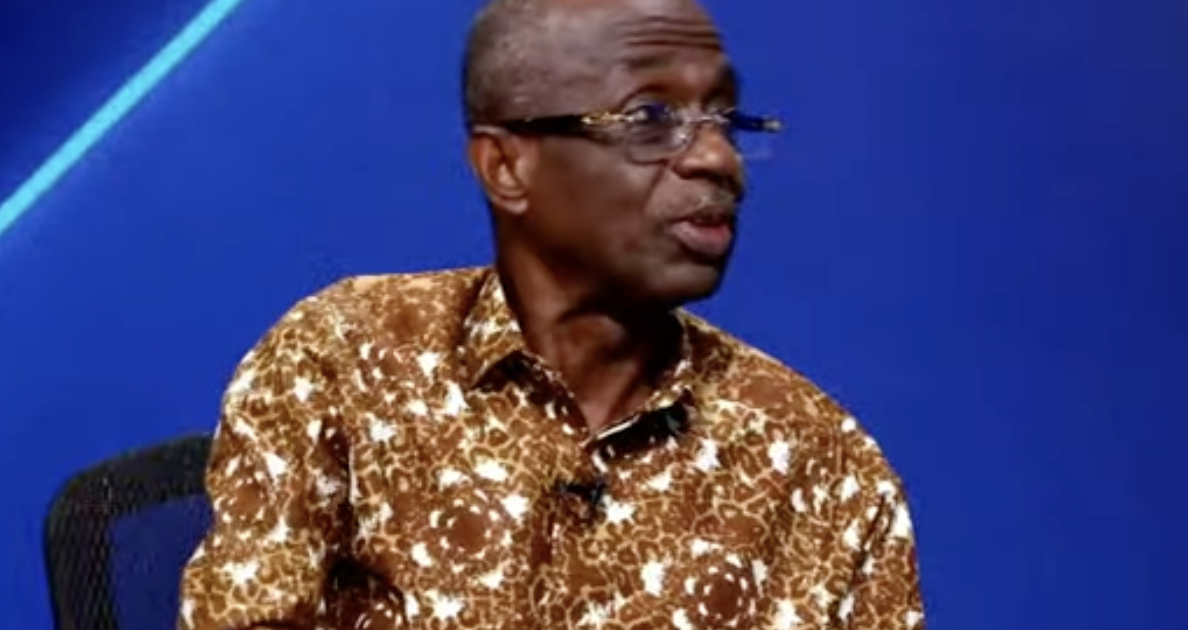
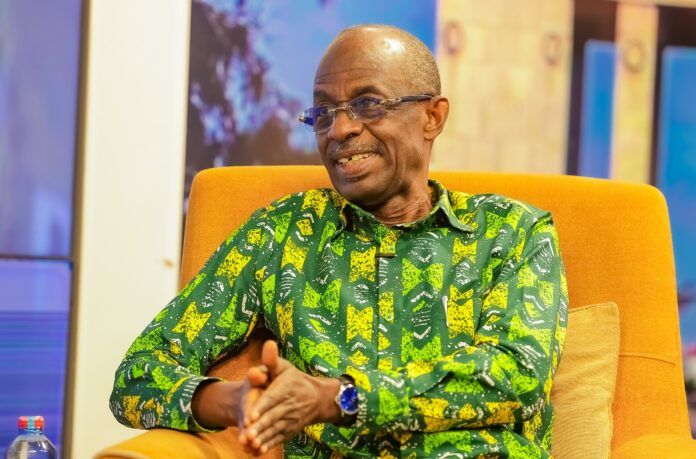
Ghana's election cycles have become increasingly dominated by year-round campaigning that disrupts governmental focus and economic productivity. Now, the National Democratic Congress (NDC) National Chairman Johnson Asiedu Nketia is pushing for the country to adopt fixed campaign periods—a structured approach he witnessed firsthand while observing elections in Denmark, where campaigning is confined to just three months before polling day.
Speaking on JoyNews's PM Express programme, Asiedu Nketia made a compelling case for regulated campaign windows, arguing that Ghana's current informal approach wastes valuable governance time and creates unnecessary political anxiety. "This nation needs a cut-off period for campaigning, starting of campaigning, and closing of campaigning," he said, emphasising that such reforms could unlock substantial benefits for both political parties and the state.
The Danish model: strict rules and swift cleanup
Asiedu Nketia highlighted Denmark's disciplined election framework as a blueprint worth considering. In the Scandinavian nation, political parties are granted exactly three months to campaign before an election. Once that window closes and votes are cast, parties must remove all campaign materials within three days. Failure to comply results in penalties: city authorities complete the removal themselves and bill the responsible party for the cost.
This enforcement mechanism ensures campaigns do not linger in public spaces, cluttering cities and extending the psychological election period long after ballots are counted. "If you don't do it, the city authorities will do it, and they will surcharge the party," Asiedu Nketia explained, underlining how firm deadlines create accountability.
Why it matters for Ghana
Ghana's extended, informal campaign cycles present significant challenges. When political positioning begins years in advance—as Asiedu Nketia noted with upcoming NDC chairmanship elections still four months away and presidential primaries over a year off—political uncertainty permeates the nation. Cabinet ministers, political appointees and civil servants operate in a state of perpetual transition, uncertain about their futures and reluctant to initiate long-term projects.
For ordinary Ghanaians, constant campaigning increases political tension, diverts media attention from critical development stories, and can escalate partisan divisions. Businesses struggle to plan investments when the political landscape feels unstable. Public sector productivity suffers when officials spend energy on political survival rather than service delivery.
Adopting a fixed campaign model would mean that in a four-year presidential term, governments would enjoy roughly three years and nine months of uninterrupted governance space. This extended window would permit ministers to implement policies, track results, and demonstrate tangible achievements—creating genuine accountability based on performance rather than campaign rhetoric alone.
Additionally, structured campaign periods would level the playing field between well-resourced and smaller political parties. Currently, wealthier parties maintain campaign infrastructure year-round, exhausting opponents and dominating the political narrative. Compressed campaigns would compress costs and narrow the financial advantage.
Implementation challenges ahead
Asiedu Nketia's proposal would require constitutional or legislative amendments and cross-party consensus—significant hurdles in Ghana's polarised political environment. Incumbent parties often resist constraints on their campaign machinery, fearing loss of advantage. Additionally, Ghana's vibrant media and social media landscape makes enforcing campaign blackouts more complex than in smaller democracies.
Nevertheless, the NDC chairman's call reflects growing recognition among Ghana's political intelligentsia that perpetual campaigning undermines national development. Whether his proposal gains traction will depend on whether both major parties—and civil society—come to view electoral discipline as serving the nation's long-term interest.
Source: MyJoyOnline

Comments (0)
Be the first to comment.