
Ghana's Youth Unemployment Crisis: Young Leaders Demand a Real Seat at the Policy Table
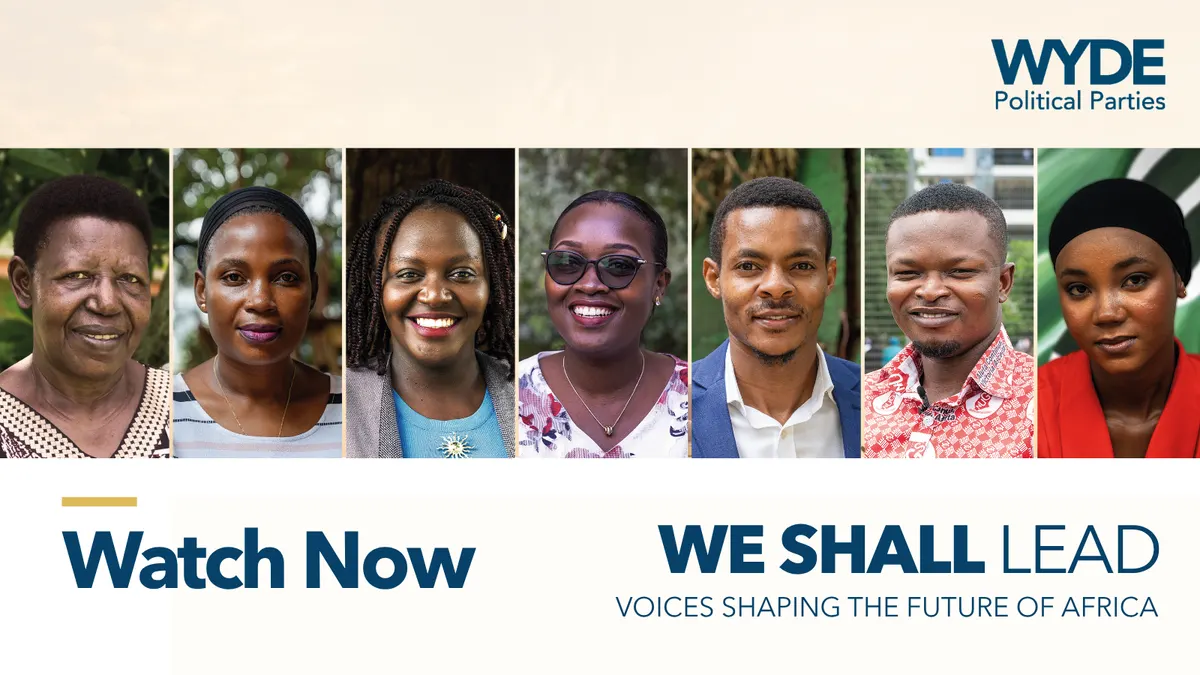

Ghana is facing a deepening jobs crisis that is hitting its youngest citizens the hardest. With unemployment among Ghanaians aged 15 to 35 standing at 21.9%, a generation of educated and ambitious young people finds itself locked out of economic opportunity — and, increasingly, locked out of the policy conversations that could change that reality. A new documentary, We Shall Lead, puts a human face on these struggles, amplifying the voices of young leaders who argue that meaningful youth participation in national decision-making is long overdue.
A Generation Sidelined
The numbers tell a stark story. Nearly one in four young Ghanaians between the ages of 15 and 35 is without work — a cohort that represents the country's most energetic and potentially productive demographic. Beyond the raw statistics, however, lies a deeper frustration: young people feel that the policies designed to address their situation are crafted without their input.
The young leaders featured in We Shall Lead are not simply asking for jobs. They are asking for influence — a genuine voice in the rooms where budgets are set, employment programmes are designed, and educational curricula are determined. Their argument is straightforward: policies built without the participation of young people are unlikely to meet young people's actual needs.
This sentiment reflects a broader pattern seen across West Africa and the continent at large, where youth bulges are placing enormous pressure on governments to deliver economic opportunities. Ghana, with one of the more stable democracies in the region, is in a position to lead by example — but critics say that position is not yet being fully realised.
Why It Matters for Ghana
Ghana's population is overwhelmingly young. The majority of citizens are under 35, meaning that youth unemployment is not a niche concern — it is, in effect, a national emergency with direct consequences for economic growth, social stability, and democratic health.
When large numbers of young people cannot find meaningful work, the ripple effects are significant. Consumer spending falls. Dependence on family networks increases. Skilled graduates emigrate in search of better prospects, feeding a brain drain that weakens the very institutions Ghana needs to develop. There are also well-documented links between high youth unemployment and increased vulnerability to social unrest.
Perhaps most critically, when young people are excluded from policy processes, the solutions that emerge tend to be top-down and disconnected from ground-level realities. Youth employment schemes, apprenticeship programmes, and entrepreneurship funds have been launched by successive Ghanaian governments with varying degrees of success. Advocates argue that co-designing these initiatives with young people — rather than designing them for young people — would significantly improve their effectiveness.
What Needs to Change
The young leaders in We Shall Lead are calling for structural reforms that go beyond token youth representation. This includes ensuring that young people hold substantive roles in parliamentary committees, national development planning bodies, and district assemblies — not merely ceremonial positions or advisory slots that carry no real decision-making power.
Civil society organisations working on youth empowerment in Ghana have long echoed this call. They point to the need for formal mechanisms that require youth consultation before major economic and social policies are enacted. Some advocates have pointed to models in other countries where youth parliaments or dedicated youth policy councils carry actual legislative weight.
Education reform is also central to the conversation. Many young Ghanaians complete their schooling or tertiary education to find that the skills they have acquired do not match what the labour market demands — a structural mismatch that requires both curriculum reform and stronger partnerships between academic institutions and industry.
- Ghana must move beyond symbolic youth representation toward genuine power-sharing in policy spaces.
- Closing the skills gap between education and employment is essential to tackling the jobs crisis.
- Young people's direct involvement in designing employment programmes is likely to make those programmes more effective and responsive.
The release of We Shall Lead arrives at a moment when Ghana's political landscape is in transition. It serves as both a mirror and a challenge — reflecting the scale of the crisis, while demanding that those in power listen more carefully to the generation that will ultimately inherit the country.
Source: 3News




Comments (0)
Be the first to comment.