Ghana's youth employment crisis: Millions working but still struggling to survive
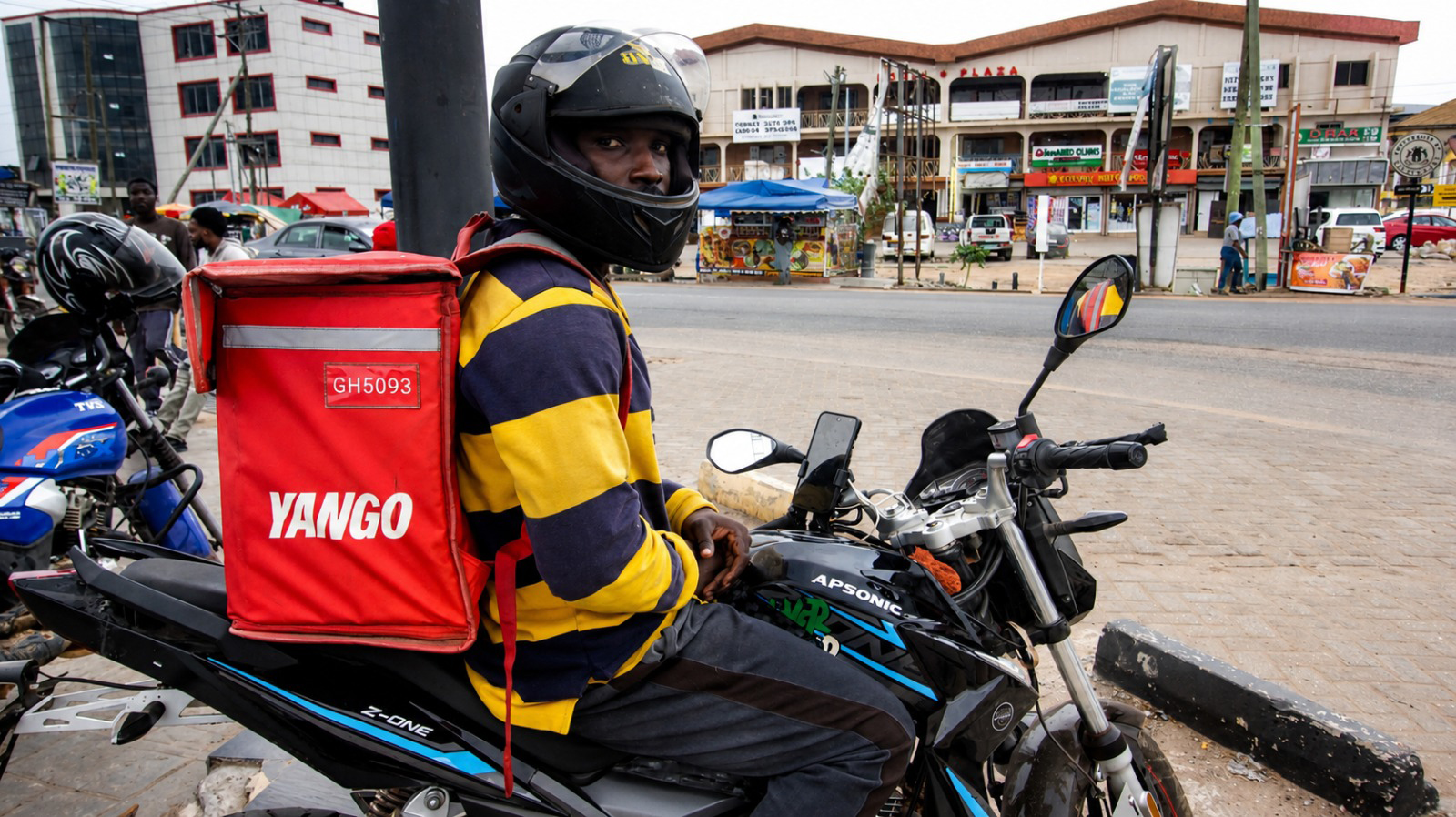
Ghana's young people are working harder than ever, yet millions remain trapped in survival mode rather than building sustainable careers. As International Youth Day 2026 emphasises dignity and decent work globally, the reality for Ghanaian youth reveals a troubling paradox: effort alone is not enough.
At 29, Desmond Mbroh exemplifies this struggle. By day, he earns a monthly salary as a delivery driver. By night, he mounts a motorcycle and works the gig economy, hoping to earn GH¢60 to GH¢70 extra on good days. This is not ambition—it is necessity. Despite holding a certificate as a forklift operator, Mbroh cannot afford to pursue his chosen career without exhausting supplementary income work. "I can't sit there for the month to end before someone pays me," he explained. "The expenses are many."
The scale of Ghana's youth employment crisis
Official statistics understate the problem. The Ghana Statistical Service's Quarterly Labour Force Survey found that unemployment among people aged 15–35 averaged 21.9% in the first three quarters of 2025—nearly double the national average of 12.8%. For teenagers and young adults aged 15–24, unemployment reached a severe 32.5%.
Yet unemployment figures tell only part of the story. Nearly two million young people aged 15–35—roughly 19.5% of Ghana's youth population—were classified as NEET (Not in Employment, Education or Training) by Q3 2025. This represents millions losing critical years of skills development, professional networks and economic independence at precisely the stage when these should be established.
The challenge arrives at a critical demographic moment. Young people aged 15–35 now constitute 36.9% of Ghana's total population. This demographic profile presents an enormous opportunity—or, without urgent intervention, a dangerous burden.
Discrimination compounds the jobs shortage
Awambire Nyaaba Micuw, known as Ayellow, faces barriers that extend beyond general unemployment. An albino HND graduate in Building and Construction, Ayellow possesses practical skills in carpentry, painting, shoemaking and masonry. His technical qualifications should open doors; instead, he describes employers turning him away the moment they see his appearance.
During a recruitment drive for Community Police Assistants, Ayellow was discouraged based solely on his skin condition. In a Fire Service examination held outdoors, his albinism—which makes prolonged sun exposure medically difficult—was met with mockery rather than accommodation. He abandoned the process after his distress became a source of ridicule among other candidates.
Ayellow's experience reflects a broader systemic failure. According to the Ghana Federation of Persons with Disability, approximately 80% of people with disabilities face unemployment or underemployment, primarily due to societal stigma and the absence of inclusive employment policies. This exclusion directly undermines Ghana's commitment to the Sustainable Development Goal of Decent Work and Economic Growth, and contradicts the nation's pledge to leave no one behind.
What this means for Ghana's future
Young Ghanaians are demonstrating extraordinary resilience. Ayellow has built a livelihood repairing shoes and leather goods at Bolgatanga Girls Senior High School whilst volunteering to teach Building and Construction at a technical institute. His former students now study at tertiary institutions. Yet his success story is also an indictment: a qualified young person should not require such exceptional resourcefulness simply to overcome systemic barriers.
The stakes are high. Ghana's demographic structure offers a window of opportunity—a large, relatively young population entering productive years. But without meaningful job creation, inclusive hiring practices and support for formal employment pathways, that advantage risks transforming into a crisis of social instability and wasted human potential.
The conversation at International Youth Day 2026 centres on dignity and opportunity. For millions of Ghanaian youth, converting that rhetoric into reality remains an urgent, unfinished task.
Source: The Ghana Report

Comments (0)
Be the first to comment.