Ghana's Terror Fight Gains Ground, But Experts Warn Against Letting Guard Down
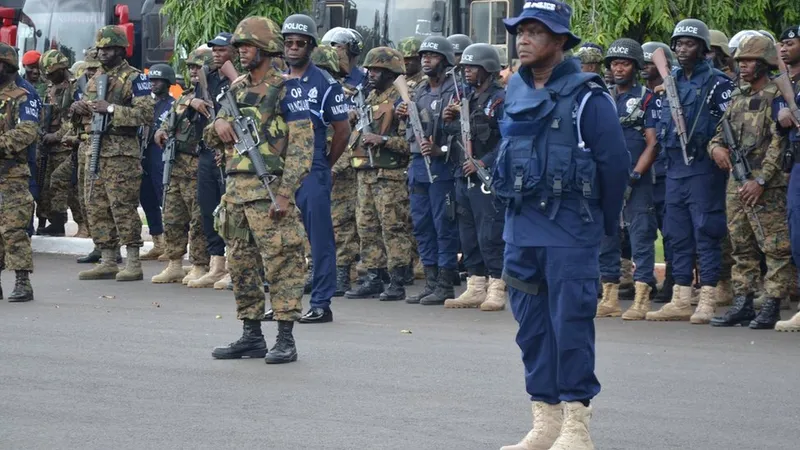
Ghana has made notable strides in countering terrorism across its northern regions, but security experts are sounding the alarm that the nation's recent tactical successes could create a dangerous false sense of security if not matched by sustained vigilance and resources.
The warning comes as authorities celebrate disrupted plots and improved intelligence operations that have prevented major attacks on Ghanaian soil. However, seasoned analysts argue that technological surveillance systems, whilst valuable, remain insufficient as standalone defence mechanisms against evolving terror networks operating across West Africa's porous borders.
The Real Challenge: Guarding Ghana's Vulnerable Frontiers
Ghana shares land borders with Burkina Faso, Mali, and Ivory Coast—all regions experiencing significant insurgent activity. The spread of extremist groups into the Sahel region has created a complex security environment where militants move fluidly across borders, exploiting inadequate physical security infrastructure and limited personnel capacity.
Border communities in Ghana's Upper East and Northern regions remain at particular risk. Traditional approaches relying on checkpoint technology alone cannot adequately screen the thousands of cross-border movements occurring daily through unofficial routes. Ground-level intelligence, community engagement, and adequate troop deployment remain essential components that no algorithm can fully replace.
Why It Matters for Ghana
Ghana has historically positioned itself as a relatively stable haven in West Africa, attracting regional investment and serving as a diplomatic hub. A major terrorist incident could destabilise this reputation, disrupt economic activity, and strain limited security budgets already stretched across multiple priorities.
The threat is not theoretical. Since 2019, militant groups—particularly those affiliated with al-Qaeda and Islamic State franchises—have expanded operations into Ghana's northern corridor. Whilst large-scale coordinated attacks have been largely prevented, smaller incidents, ambushes, and kidnappings have increased, signalling that extremist networks remain active and capable of adaptation.
For ordinary Ghanaians in border regions, complacency translates directly into personal risk. Communities need sustained military presence, properly resourced local security forces, and intelligence networks that understand local dynamics in ways distant surveillance centres cannot.
Building Durable Defence Systems
Experts recommend a multi-layered approach combining technology with human intelligence:
- Increased recruitment and training for border security personnel with regional language expertise and local knowledge
- Enhanced cooperation with neighbouring countries to share intelligence and coordinate cross-border operations
- Investment in community-level early warning systems where locals serve as frontline observers
- Regular security audits ensuring technological systems remain current and staff properly trained
- Adequate budget allocation to prevent stretched resources undermining operational effectiveness
Ghana's security gains reflect serious commitment by government and military personnel. The challenge now lies in maintaining that momentum without allowing recent successes to breed organisational complacency or budget cuts that could quickly erode hard-won advantages.
Terrorism in West Africa operates with long timelines and patient strategies. Ghana's continued safety depends not on singular victories but on unwavering, year-round commitment to border security and counterterrorism operations.
Source: 3News


Comments (0)
Be the first to comment.