Germany urges Ghana to strengthen regional ties on climate, migration and security

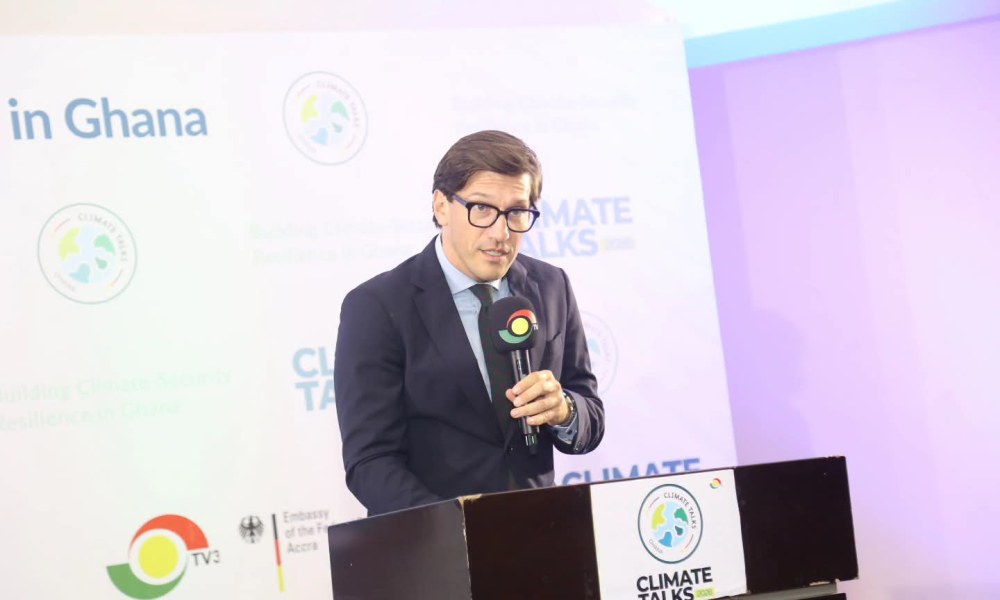
Germany's diplomatic mission to Ghana is pushing for enhanced regional cooperation to tackle the overlapping crises of climate change, irregular migration, and security threats, with particular focus on vulnerable communities in Ghana's Northern Region.
H.E. Frederik Landshoeft, the German Ambassador to Ghana, has emphasised that these three challenges cannot be addressed in isolation. According to Landshoeft, Ghana's border countries must work together to develop coordinated responses that acknowledge how climate-induced instability fuels both migration pressures and security risks across the Sahel and West African region.
Why it matters for Ghana
Ghana faces mounting pressure from multiple directions. The Northern Region has long struggled with climate variability, erratic rainfall, and desertification, pushing residents towards irregular migration—both southward within Ghana and across borders to Europe via trafficking networks. Concurrently, security threats from armed groups operating in the Sahel have begun seeping into Ghana's northern territories, compounding the development crisis.
Germany's call for stronger bilateral and multilateral engagement reflects international concern that Ghana cannot solve these problems alone. Cross-border coordination with Burkina Faso, Mali, Côte d'Ivoire, and Togo is essential, since climate stress and conflict in neighbouring countries directly drive migration flows and security instability into Ghana. A fragmented response leaves communities vulnerable and allows trafficking networks and extremist recruiters to exploit gaps in governance.
The interconnected challenge
Climate change in the Sahel is destroying livelihoods and forcing families to migrate in search of survival. This desperation makes vulnerable populations targets for traffickers and armed groups. Meanwhile, security deterioration in the region destabilises trade routes and governance, worsening poverty and pushing more people to migrate. Without tackling all three simultaneously through coordinated regional action, Ghana risks becoming a transit hub for both irregular migration and radicalisation.
Germany, as a major destination for African migrants and a key player in global climate diplomacy, has vested interests in supporting regional stability. Berlin has supported development and security initiatives across West Africa, and the Ambassador's call likely signals Germany's willingness to fund or facilitate regional cooperation frameworks.
What Ghana needs to do
The Ambassador's statement suggests several pathways forward:
- Strengthen joint border security operations with neighbouring states to disrupt trafficking and extremist networks
- Develop shared climate adaptation strategies, particularly water management and agricultural resilience programmes
- Coordinate migration management policies to prevent irregular movements whilst supporting legal pathways and livelihood alternatives
- Pursue multilateral funding through ECOWAS, the African Union, and international partners like Germany for integrated development projects
For Ghana, heeding this call means investing in Northern development, supporting regional institutions like ECOWAS to coordinate responses, and securing international partnerships to finance climate adaptation and security measures. Failure to act regionally risks allowing these crises to metastasise, threatening Ghana's stability and prosperity.
Source: 3News


Comments (0)
Be the first to comment.