Climate Crisis Driving Migration Across Sahel: Ghana Must Act Now, Experts Warn at Bolgatanga Talks
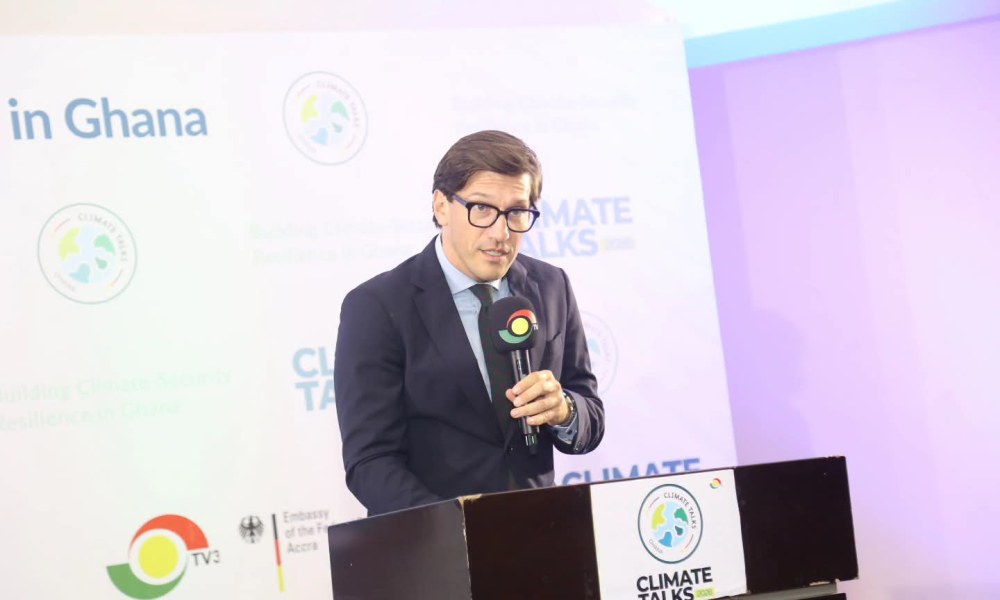
Ghana's Upper East Region faces mounting pressure from climate-driven migration as environmental degradation and recurring droughts force people across borders in search of safety and opportunity. This urgent reality formed the centrepiece of Climate Talks 2026, a strategic dialogue convened by the German Embassy in Bolgatanga, bringing together stakeholders from the Ghana Immigration Service, the United Nations Refugee Agency, and local communities to chart integrated responses to the crisis.
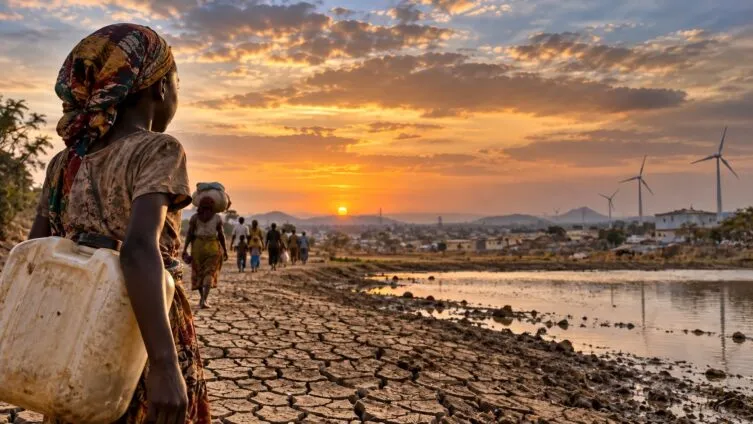
The dialogue underscores a critical challenge facing Northern Ghana: climate change is not merely an environmental problem—it has become a security and social issue. Rising temperatures, water scarcity, and land degradation are intensifying competition for resources, triggering internal displacement and cross-border migration that destabilises communities and strains host regions already grappling with economic hardship and political instability.
The Climate-Migration-Security Nexus
German Ambassador to Ghana, H.E. Frederik Landshoeft, highlighted the interconnected nature of these crises. Environmental stress in the Sahel does not occur in isolation; it compounds existing vulnerabilities. "Climate change, environmental degradation, and recurring droughts are placing growing pressure on livelihoods across the Sahel," the Ambassador noted, pointing out that these challenges interact with conflict, economic hardship, and political instability to force migration.
The Upper East Region's long-standing social and cultural ties with neighbouring countries mean that climate-driven migration patterns cross borders, affecting not only Ghana but the entire Sahel zone. This transnational dimension demands regional cooperation and harmonised policy responses rather than isolated national measures.
Turning Migration Into Opportunity
Rather than framing migration solely as a problem, experts emphasised that properly managed migration can benefit host communities. Migrants and refugees bring skills, entrepreneurship, labour, and knowledge that strengthen local economies—particularly in agriculture, trade, and service delivery sectors critical to Northern Ghana's development.
The Upper West Region's recently gazetted bylaws, developed through stakeholder collaboration, provide a practical model. These frameworks prevent conflict over resources while creating space for displaced populations to contribute positively to their new environments. When policy protects both host and migrant communities, economic growth becomes shared rather than competitive.
Why It Matters for Ghana
Ghana's Upper East and Upper West Regions are among the nation's most climate-vulnerable zones. With limited adaptive capacity and dependence on rain-fed agriculture, these areas face cycles of drought that erode livelihoods and trigger migration—both within Ghana and across borders. The ripple effects extend beyond the North: urban centres like Accra absorb climate migrants, straining housing, employment, and social services.
For Ghana to build resilience, experts identified three critical priorities. First, sustainable resource management—particularly water and land governance—must reduce competition that sparks conflict. Second, targeted economic opportunities for women and young people are essential; when these groups lack livelihood prospects, they become vulnerable to exploitation and trafficking. Third, community-led solutions work best; when local people design responses to climate stress, social cohesion strengthens even under pressure.
The German Embassy's emphasis on evidence-based dialogue is timely. Ghana needs data-driven climate migration policies, not ad-hoc responses. This requires coordination between immigration agencies, environmental ministries, local governments, and international partners like UNHCR.
Ambassador Landshoeft reaffirmed Germany's commitment to Ghana's peacebuilding and sustainable development, recognising that industrialised nations bear responsibility for the global climate crisis. Through continued Climate Talks initiatives, Germany aims to support practical solutions that address climate-security risks while promoting regional stability and shared prosperity.
Source: Ameyaw Debrah



Comments (0)
Be the first to comment.