
Hamile Explosion Aftermath: Peace Talks Underway as Victims Recover and Community Demands Answers
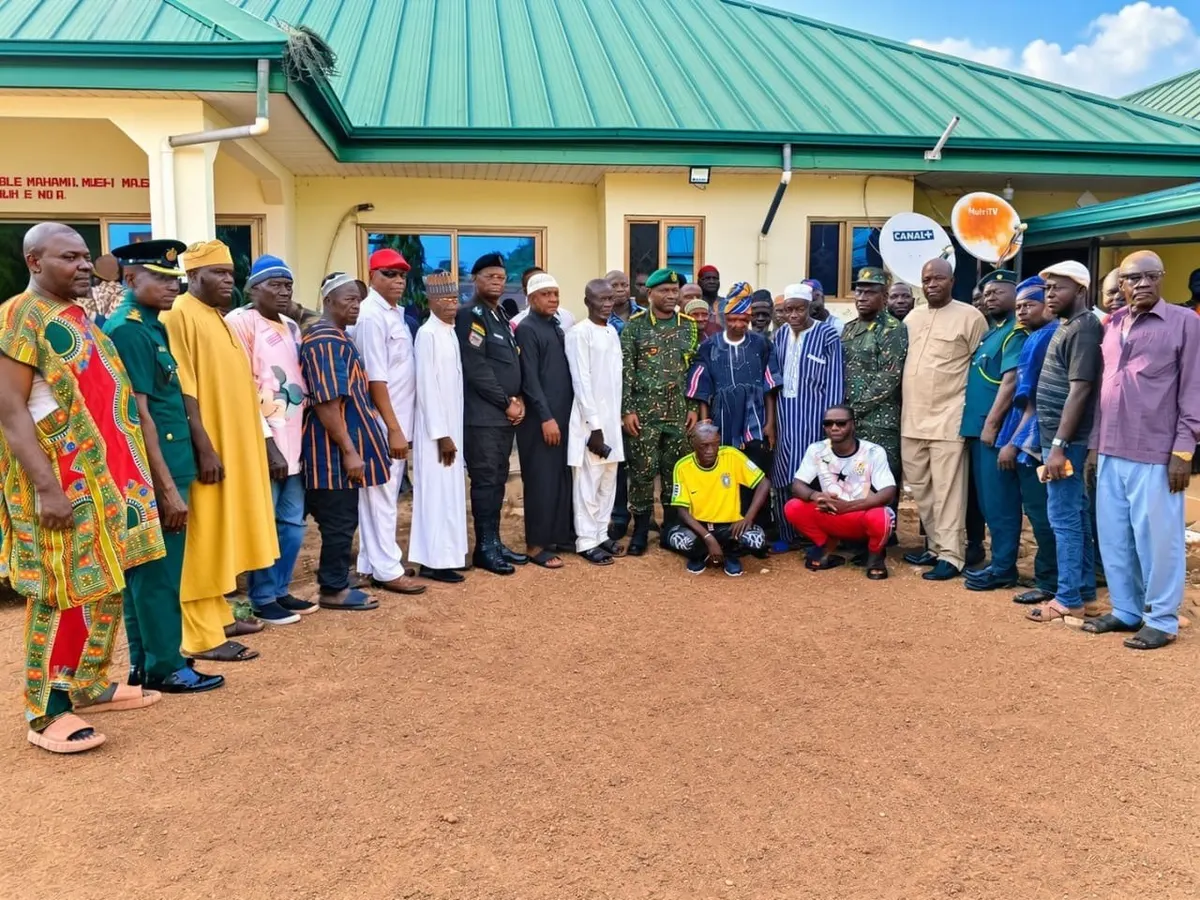

Efforts to restore calm in the border town of Hamile in the Upper West Region are gaining momentum, with the Immigration Comptroller-General, Samuel Basintale Amadu, personally engaging local chiefs and youth leaders in peace talks following a devastating explosion that rocked the community. Nine of the civilians injured in the blast have since been discharged from hospital, though two others with more serious injuries have been transferred to a regional medical facility for further treatment.
What we know about the Hamile explosion
The explosion caused significant panic and injury in Hamile, a town situated along the Ghana-Burkina Faso border and known as a key crossing point in the Upper West Region. The incident left residents shaken, with multiple civilians hospitalised in its immediate aftermath. While the precise circumstances surrounding the blast are still being examined by authorities, the involvement of the Ghana Immigration Service in the response signals that border security considerations are central to the investigation.
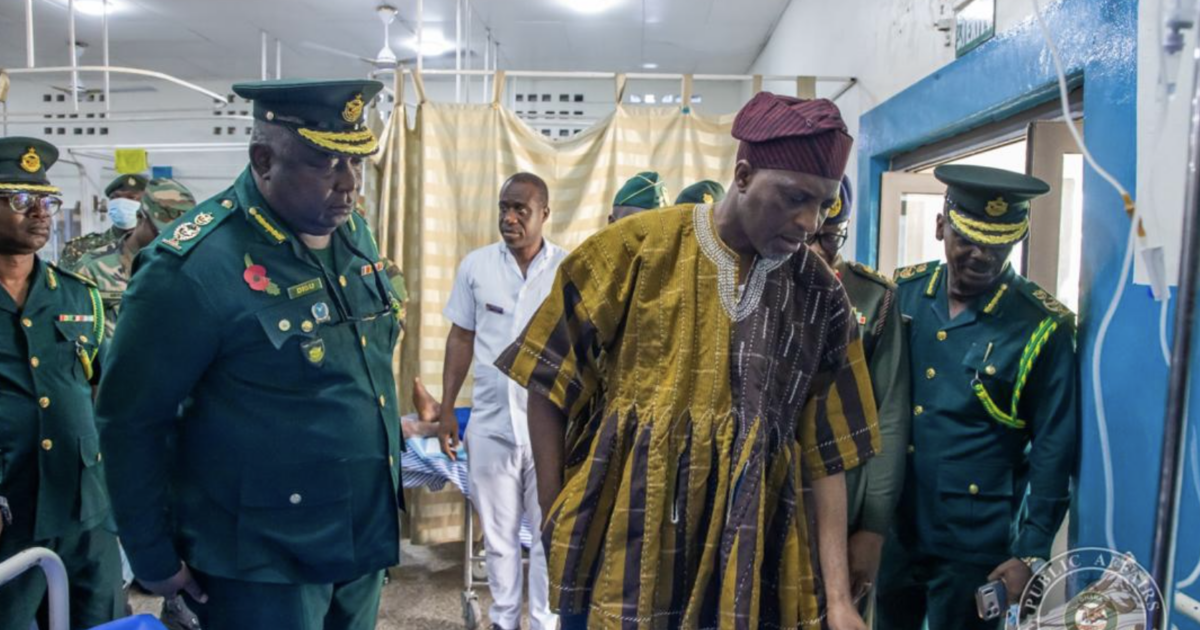
Of the nine civilians who received treatment, all were discharged after being assessed as stable. However, two individuals sustained injuries serious enough to require a higher level of care, and they have been transferred to the regional hospital for continued medical attention. Their conditions have not been officially described as life-threatening, though authorities are monitoring the situation closely.
Why it matters for Ghana
Hamile's location on the border with Burkina Faso gives it particular strategic importance, especially at a time when security across the Sahel and West Africa's northern frontier remains a pressing concern. Burkina Faso has faced significant instability in recent years, and Ghana has been working to ensure that unrest does not spill across its northern borders.
The intervention of the Immigration Comptroller-General reflects how seriously the central government is treating the incident — not merely as a local emergency, but as a matter with potential national security implications. Peace talks with traditional rulers and the youth, who are often the most restless demographic in the wake of such crises, are a critical step in preventing rumours, misinformation, or communal tensions from escalating the situation further.
Border communities like Hamile are also economically vulnerable, dependent on cross-border trade that can be severely disrupted by security incidents. Any prolonged instability could affect livelihoods on both sides of the frontier, making a swift and transparent resolution all the more important for ordinary residents.
Community and official response
The decision to bring the Comptroller-General directly to the community for face-to-face dialogue with chiefs and youth groups is consistent with Ghana's traditional approach of using consensus-building and local leadership structures to manage crises. Chiefs in northern Ghana carry significant moral authority, and their cooperation in calming public anxieties is widely regarded as essential.
Youth groups, who may harbour frustrations or unanswered questions about the explosion's cause and who bears responsibility, were also included in the discussions — a sign that officials are keen to address grievances before they harden into resentment. Residents will be watching closely to see whether the peace talks translate into concrete accountability and support for those affected.
As investigations continue, the Ghana Immigration Service and relevant security agencies are expected to provide further updates. The people of Hamile, meanwhile, are calling for transparency, adequate care for the injured, and assurances that such an incident will not be repeated.
Source: 3News



Comments (0)
Be the first to comment.