Ghana's Telecom Giants Face Growing Pressure Over Unpaid Music Royalties
The CRBT Revolution and Who Profits
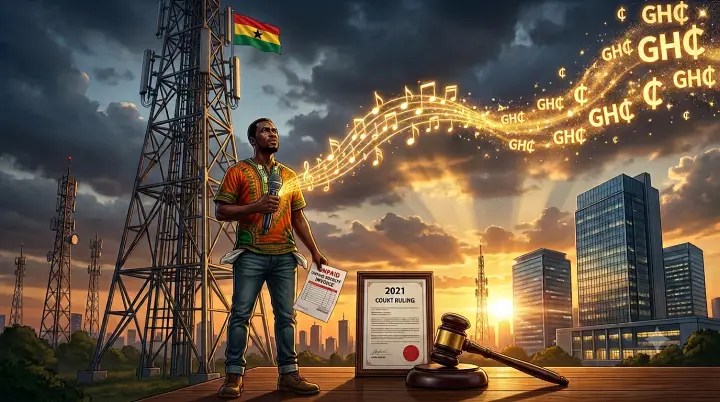
Caller Ring Back Tones (CRBTs) transformed Ghana's telecommunications landscape in the mid-2000s, replacing monotonous ringing with highlife, gospel, and Afrobeats. MTN Ghana's "CallerTunez" service became a cultural staple, offering subscribers personalised music experiences whilst generating significant revenue for telecom operators. The technology seemed like a win for everyone—subscribers enjoyed the service, artists gained exposure, and telcos profited handsomely.
However, closer examination reveals a deeply skewed arrangement. Telecom companies capture approximately 70 percent of CRBT revenue, leaving artists and record labels with roughly 12 percent after taxes and intermediary cuts. More troublingly, an entire class of rights holders—songwriters, composers, and music publishers—receive nothing at all.
A Decade-Long Battle for Fairness
The Ghana Music Rights Organisation (GHAMRO) identified this injustice early, beginning advocacy efforts in 2012. After years of failed negotiations, GHAMRO pursued legal action. On 10 March 2021, the Accra High Court, presided over by Justice Jennifer Abena Dadzie, ruled decisively in GHAMRO's favour, confirming that MTN, Vodafone, and AirtelTigo must pay mechanical royalties to music creators. The court also awarded GHAMRO GHS 60,000 in legal costs.
Yet nearly three years after this landmark ruling, compliance remains inconsistent. Payments to songwriters and composers have not materialised, raising serious questions about enforcement and corporate accountability.
Double Standards in Global Operations
The pattern becomes more troubling when examined internationally. These same telecom corporations comply with royalty obligations in other markets, including mechanical royalty payments. Their selective compliance in Ghana suggests that non-compliance is treated as a manageable business risk rather than a legal obligation.
For Ghana's music creators—the songwriters, composers, and publishers who form the creative foundation of the industry—this represents a structural failure. Denying fair compensation discourages music creation as a viable career and weakens the long-term health of the entire creative sector.
Source: Ameyaw Debrah


-1200x686.webp)
Comments (0)
Be the first to comment.