
Ghana's Security Agencies Set for Major Payroll Reform as PAC Backs Self-Accounting System
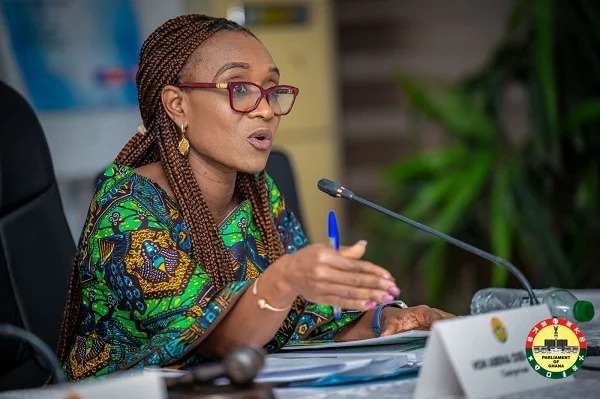

Ghana's security sector is poised for a significant administrative overhaul after the Public Accounts Committee threw its weight behind a proposal to grant self-accounting status to the Ghana National Fire Service, Ghana Immigration Service, and Ghana Prisons Service—bringing them into line with the Ghana Police Service's existing financial autonomy.
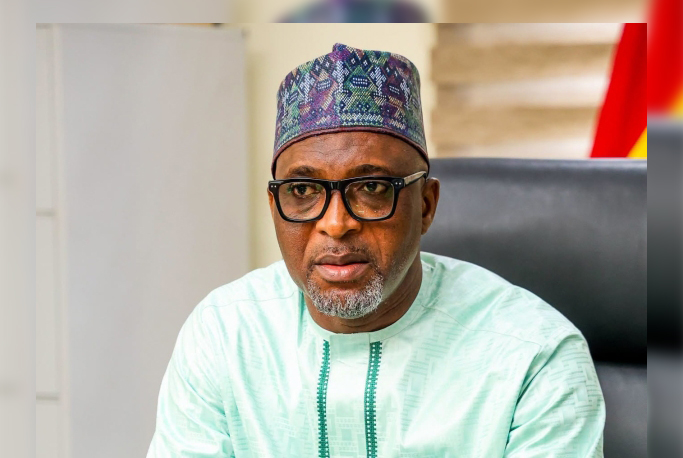
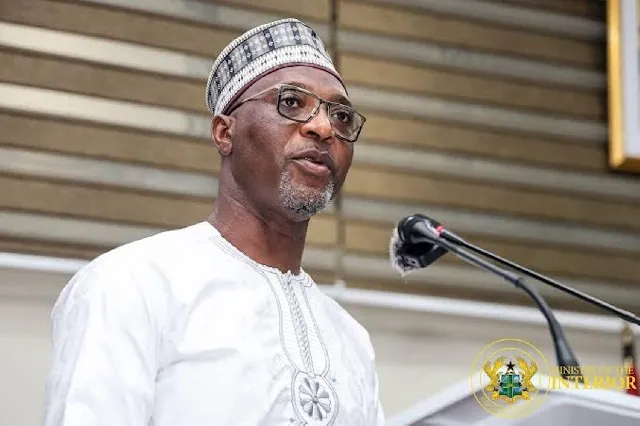
The backing came during a PAC hearing into a payroll mishap that saw seven immigration officers wrongly overpaid a total of GH¢37,907 in salary arrears. Interior Minister Mohammed Mubarak Muntaka revealed that approximately GH¢24,900 had been recovered, with the remainder to be clawed back through monthly deductions of around GH¢500 from the officers' salaries.
Why This Matters for Ghana
The recurring payroll errors at security agencies underscore a critical vulnerability in Ghana's public financial management. Security personnel—police, firefighters, immigration officers, and prison staff—are essential to national security and public safety. When their compensation systems malfunction, it affects not only individual livelihoods but public confidence in these institutions. More broadly, this reform addresses a systemic issue: how Ghana manages public money in critical sectors. The PAC's endorsement signals parliamentary determination to tighten accountability in agencies that wield significant public resources and authority.
Self-accounting status would give these agencies direct control over their payroll functions rather than routing transactions through centralised systems, potentially reducing bureaucratic delays and the administrative gaps where errors occur. PAC Chairperson Abena Osei-Asare emphasised that the system would make audits simpler and more effective—crucial for an institution tasked with scrutinising public spending.
The Path Forward: Recovery and Prevention
Minister Muntaka has been advocating for this reform since taking office, reflecting growing recognition among senior officials that the current structure is unfit for purpose. His proposal to recover overpaid amounts through gradual salary deductions rather than lump-sum demands shows sensitivity to the financial strain on junior officers who received errors through no fault of their own.
Critically, the Minister also called for systemic causes of the errors to be identified and addressed. He argued persuasively that newly recruited officers should not bear the sole burden of correcting administrative mistakes made by payroll systems or processes beyond their control. This principle—that errors should be corrected at source rather than penalising individuals—reflects a more mature approach to public sector accountability.
However, questions remain about interest recovery on overpayments. The Minister expressed doubt about whether interest can be recouped, a position that may reflect legal constraints or practical difficulties in Ghana's public service regulations.
Broader Implications
The PAC's commitment to hammer this issue in its formal reports suggests the reform will likely advance. However, implementation will depend on Interior Ministry coordination with the Office of the Controller and Accountant-General and parliamentary legislative action if statutory changes are required.
This move also reflects a wider conversation within Ghana's public sector about modernising financial controls. As digital systems improve and Parliament demands greater oversight, agencies like immigration, fire, and prisons services will eventually need to match the Police Service's administrative independence to function efficiently in an increasingly complex fiscal environment.
For ordinary Ghanaians, the stakes are straightforward: security agencies with reliable payroll systems are better equipped to recruit and retain quality personnel, reducing delays in service delivery and strengthening institutional morale.
Source: The Ghana Report



Comments (0)
Be the first to comment.