
Ghana's Parliament Set to Resume November 3 Session After Recess
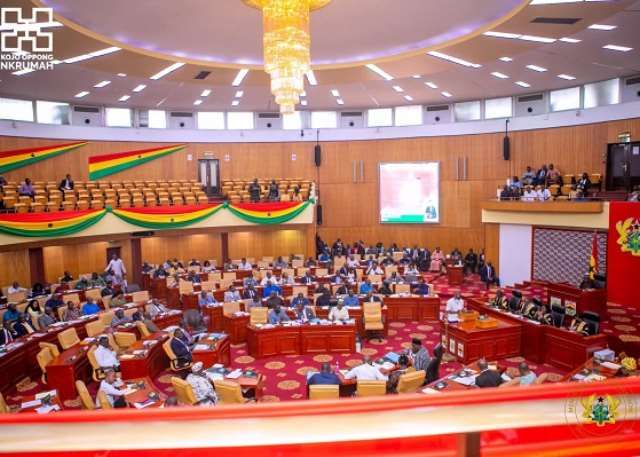

Ghana's Parliament is scheduled to resume its sitting on Tuesday, November 3, 2026, at 10:00 a.m., marking the start of the Third Meeting of the Second Session of the Ninth Parliament of the Fourth Republic. The resumption comes after the legislative body's recess period and signals the return to active legislative business in the chamber.
What to Expect from the New Parliamentary Session
The Third Meeting of the Second Session typically sees Members of Parliament (MPs) return to tackle outstanding legislative business, including bills awaiting consideration, ministerial statements, and constituency matters raised by legislators. The session represents a crucial phase in the parliamentary calendar where key national priorities may be advanced through debate and voting.
Members will convene to address various legislative agendas that accumulated during the recess period. This sitting is particularly significant as it falls within an election year, potentially bringing heightened attention to government policy implementation and opposition scrutiny of executive actions.
Parliamentary Calendar and Ghana's Democratic Process
Parliament's regular sitting schedule is fundamental to Ghana's functioning democracy. The legislative body typically operates in cycles of sittings and recesses throughout the year, allowing MPs to return to their constituencies whilst maintaining the momentum of legislative work. The Ninth Parliament has continued this tradition of structured sessions, ensuring consistent oversight of government and law-making activities.
The resumption on November 3 follows established parliamentary procedures and represents continuity in Ghana's commitment to democratic governance. Regular parliamentary sittings are essential for maintaining government accountability and ensuring that legislative matters of national importance receive proper attention.
Why This Matters for Ghana
Parliament's punctual resumption of sittings is vital for Ghana's democratic health and institutional stability. A functioning legislature ensures that laws are properly debated, government policies are scrutinised, and constituency concerns are formally raised and addressed. The timing of this particular session places it in a period when several national issues—economic policy, security matters, and electoral preparations—require legislative attention.
For ordinary Ghanaians, parliamentary proceedings directly affect the laws governing daily life, national budgets, and government accountability. The Third Meeting of this session could address key pieces of legislation or ministerial accountability that impact citizens across the country. Citizens can follow parliamentary proceedings through official channels to stay informed about decisions being made on their behalf.
Source: 3News


Comments (0)
Be the first to comment.