
Ghana's Parliament Resurrects Tribunal System Despite Constitutional Review Rejection


Ghana's Parliament has quietly resurrected the Public Tribunal system in a move that has reignited historical trauma and constitutional concerns. The Bill, passed at midnight on Friday 16th July 2026, seeks to restore a judicial mechanism that the recent Constitutional Review Commission explicitly rejected, raising alarm among civil society and opposition lawmakers about the nation's commitment to the rule of law.
Public Tribunals, last used during Ghana's revolutionary period, were courts characterised by speed over fairness—what critics have termed 'Kangaroo courts.' They operated with minimal procedural safeguards, limited opportunity for defendants to mount meaningful defences, and handed down severe sentences often without regard to due process. The traumatic legacy of these tribunals remains deeply embedded in the national consciousness, particularly among families affected by the June 4th, 1979 executions, when military personnel were tried and summarily executed without adequate legal representation.
Why it matters for Ghana
The resurrection of the Tribunal system comes despite the Constitutional Review Commission's explicit recommendation to remove such provisions from the 1992 Constitution. The Commission, chaired by Professor H. Kwasi Prempeh, submitted its report to the President in December 2025 with a clear directive: expunge the Tribunal system entirely and replace it with additional regular courts. The fact that Parliament has now reversed this expert recommendation raises fundamental questions about institutional checks and balances, and the government's actual commitment to constitutional reform.
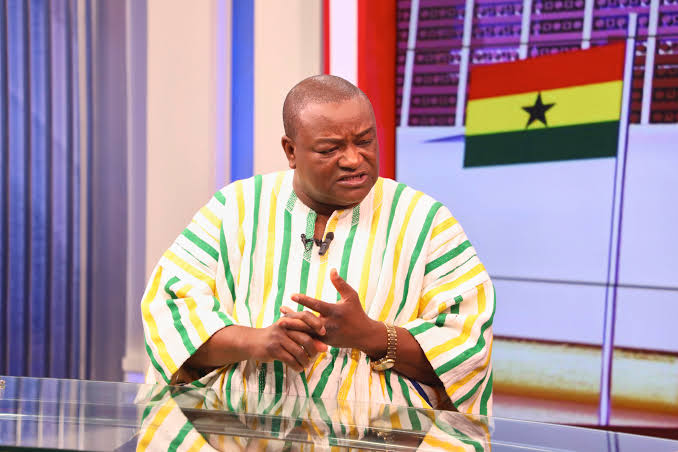
This move signals a troubling pattern of prioritising speed and executive control over the judiciary's independence and the citizenry's constitutional rights. The Bill's passage during the midnight hour, while the nation slept, and without significant public consultation, compounds concerns about transparency and democratic legitimacy. The Minority caucus in Parliament, led by the National Democratic Congress, staged a walkout in protest, signalling the deeply partisan nature of the decision.
Historical echoes and civil society silence
The trauma associated with Ghana's previous tribunal era cannot be overstated. Families of those executed during the June 4th period have long sought justice and acknowledgment of the injustices they endured. The reinstatement of tribunals effectively reopens these historical wounds by institutionalising the very mechanisms that enabled those abuses. The fact that civil society has largely remained silent—save for the Trades Union Congress—is itself concerning, suggesting either complacency or fear in speaking out against government overreach.
The government's stated rationale centres on the perceived slowness of Ghana's regular court system and allegations that corrupt officials escape justice. While concerns about judicial efficiency and corruption are legitimate, the solution being proposed reverses decades of progress toward constitutional democracy. Rather than strengthening regular courts through adequate funding, staffing, and resources, the government appears intent on creating a parallel system with fewer protections.
The Bill now awaits Presidential assent to become law. Ghanaians, particularly those with institutional memory of tribunals' injustices, must remain vigilant about protecting the constitutional gains achieved since 1992. The question facing the nation is whether efficiency can justify the abandonment of due process and fundamental human rights.
Source: MyJoyOnline


Comments (0)
Be the first to comment.