
Ghana's Olympic and Paralympic Representation Safe After NSA Board Shake-up
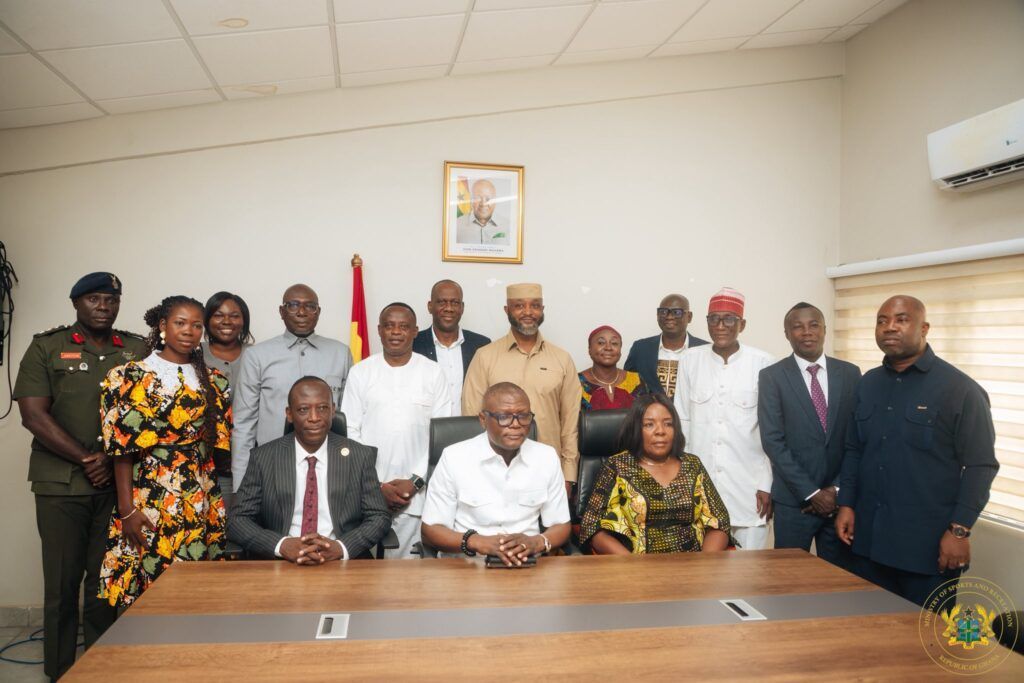

President John Dramani Mahama's decision to dissolve the governing board of the National Sports Authority (NSA) will not fundamentally alter the representation of Ghana's Olympic and Paralympic movements within the new structure, according to current indications.
The move, part of broader governance restructuring following the president's recent assumption of office, has raised questions about continuity in Ghana's sports administration. However, stakeholders familiar with the process have indicated that key institutional positions, including those held by the Olympic and Paralympic bodies, are likely to remain intact or be similarly represented on the reconstituted board.
What the Board Dissolution Means
The NSA board oversees sports development, athlete welfare, and the coordination of major sporting activities across Ghana. Its dissolution signals an administrative reset, but the retention of Olympic and Paralympic representation suggests the new administration recognises the importance of maintaining continuity in international sporting commitments.
Ghana's participation in the Olympic Games and Paralympic Games represents the nation on the global stage, requiring consistent institutional frameworks. The Ghana Olympic Committee and Ghana Paralympic Committee play critical roles in athlete selection, training oversight, and compliance with international sporting standards set by the International Olympic Committee and International Paralympic Committee respectively.
Why It Matters for Ghana
Preserving Olympic and Paralympic representation on the NSA board carries significant implications for Ghanaian sports. These movements serve as pathways for athletes to compete at the highest levels and bring international recognition to the country. Disruption to their board positions could have cascading effects on funding allocation, athlete development programmes, and Ghana's ability to prepare adequately for major competitions such as the Olympic Games and continental African championships.
The continuity also matters for Ghana's sporting reputation within international federations. Regular engagement with world sporting bodies requires stable domestic governance structures. Any breakdown in communication or institutional disruption could affect Ghana's standing and influence within African and global sports organisations.
Additionally, athletes preparing for upcoming competitions need assurance that the systems supporting their development remain stable. The retention of these positions provides that reassurance, allowing coaching programmes, funding mechanisms, and competition schedules to proceed without major interruption.
Looking Ahead
While the composition of the new NSA board remains to be formally announced, the apparent intention to maintain Olympic and Paralympic representation suggests a pragmatic approach to governance reform. The new administration appears to be balancing the need for institutional renewal with the necessity of preserving Ghana's commitments to international sporting standards and athlete development.
Sports stakeholders will be watching closely for the formal announcement of the new board structure, particularly to understand how other sectors of Ghana's sports system—including domestic football administration, coaching development, and facilities management—will be affected by the changes.
Source: 3News



Comments (0)
Be the first to comment.