Ghana's NHIS coverage surges to 70% as government doubles funding in two years
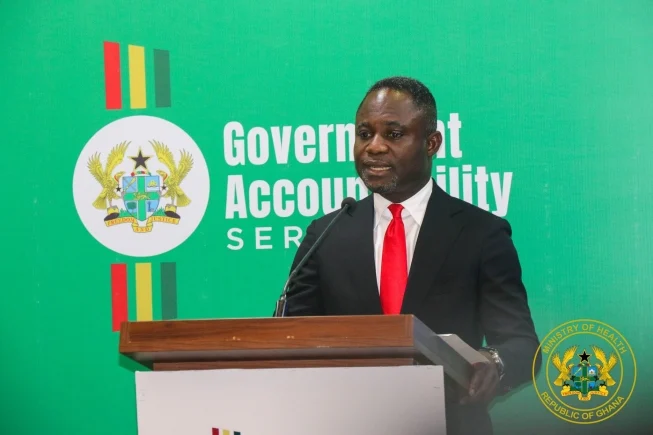
Ghana's National Health Insurance Scheme has achieved significant expansion under the current administration, with coverage climbing from 57 per cent to approximately 70 per cent in less than two years, Health Minister Kwabena Mintah Akandoh announced at the Ministry of Health's Sector Update Engagement in Accra on Wednesday, October 7.
The 13-percentage-point increase represents a substantial step towards universal health coverage in Ghana, where millions of citizens rely on the NHIS for access to affordable healthcare. The expansion reflects renewed government commitment to strengthening the scheme after years of financial constraints and operational challenges that limited its ability to reimburse healthcare providers promptly.
How the funding boost is reshaping healthcare delivery
Central to this expansion is a dramatic increase in financial resources. NHIS annual funding has nearly doubled from approximately GH¢6.5 billion in 2024 to GH¢9.8 billion in 2025—a 51 per cent increase that has fundamentally altered the scheme's operational capacity. Minister Akandoh pointed to the uncapping of the National Health Insurance Levy as a key revenue driver, allowing government to inject additional resources into the system.
With improved finances, the government has increased payments to healthcare providers by an average of 50 per cent, a move designed to address a chronic backlog of unpaid claims that has plagued the system for years. Hospitals, clinics and other facilities have frequently complained about delayed reimbursements, which forced many to reduce services, struggle with staffing, and sometimes turn away patients. The commitment to faster settlements aims to restore confidence among providers and improve service quality across the healthcare network.
Why it matters for Ghana
The NHIS expansion carries profound implications for Ghana's healthcare system and economic development. Access to affordable healthcare directly impacts productivity, school attendance and quality of life across all income groups. By growing membership from 57 per cent to 70 per cent, the government is bringing millions of additional Ghanaians—many from low-income households—under formal health protection, reducing out-of-pocket spending that often forces families into poverty when medical emergencies strike.
However, sustaining this momentum will require more than current funding levels. Healthcare infrastructure remains strained in many regions, particularly rural areas where hospitals lack basic equipment and qualified staff. The 50 per cent increase in provider payments is positive, but sustainability depends on consistent government commitment to the uncapped levy and efficient scheme administration. Observers will watch closely to ensure that the additional resources translate into genuinely improved access and quality, rather than being absorbed by administrative inefficiencies.
The expansion also signals confidence in Ghana's ability to move towards the Sustainable Development Goal of universal health coverage by 2030—a target that requires not only high membership numbers but reliable, quality service delivery. Success will require continued dialogue between government, healthcare providers, and beneficiaries to ensure the gains achieved are maintained and built upon in coming years.
Source: MyJoyOnline


Comments (0)
Be the first to comment.