
Ghana's New Health Graduates Urged to Tackle Gaps in the Nation's Healthcare System


As Ghana continues to grapple with persistent challenges in its healthcare system — from understaffed rural clinics to inadequate specialist care — a new cohort of health graduates has been urged to see themselves not merely as degree holders, but as agents of transformation. Speaking at a recent graduation ceremony, university officials challenged the new graduates to identify gaps in healthcare delivery and take deliberate steps to close them.
A Call to Service Beyond the Certificate
University leaders reminded the graduating class that their education represents far more than personal achievement. They were encouraged to embody the core values instilled by their institution and to channel their training into meaningful, community-driven impact. The message was clear: Ghana's healthcare challenges will not be solved by qualifications alone, but by professionals willing to roll up their sleeves and do the difficult work of identifying what is broken and fixing it.
Graduates were specifically urged to become agents of positive change — a phrase that carries particular weight in a country where healthcare outcomes vary dramatically between urban centres like Accra and Kumasi and more remote communities in the Northern, Savannah, and Upper regions. The appeal was not simply inspirational; it was a pointed reminder that healthcare professionals carry a social responsibility that extends well beyond hospital walls.
Why It Matters for Ghana
Ghana's healthcare system has made notable strides over the decades, with the National Health Insurance Scheme (NHIS) expanding access to millions of citizens. Yet significant gaps remain. Rural communities continue to suffer from shortages of trained medical personnel, diagnostic equipment, and essential medicines. Maternal and child mortality rates, while improving, still fall short of the targets Ghana has set under its broader development agenda.
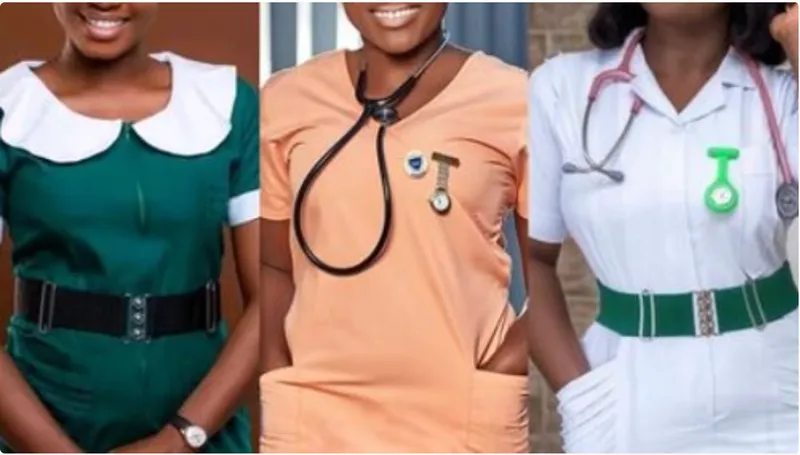
Each year, newly trained doctors, nurses, midwives, pharmacists, allied health workers and public health specialists enter the workforce. How they deploy their skills — and where — has a direct bearing on the country's ability to meet its health goals. When graduates are inspired to look beyond comfortable postings in teaching hospitals and consider underserved areas or under-resourced specialities, the ripple effects across communities can be profound.
There is also the matter of health innovation. Many of the gaps in Ghana's healthcare delivery are not simply about numbers of staff, but about systems, processes and approaches. Young health professionals with fresh training are well-placed to introduce evidence-based improvements, advocate for better resource allocation, and use digital health tools to extend the reach of quality care.
Building the Next Generation of Health Leaders
Universities producing health graduates bear a responsibility not just to train competent practitioners, but to shape professionals with a sense of mission. The challenge issued to this graduating class reflects a growing recognition in Ghana's academic and policy circles that technical skills alone are insufficient. Critical thinking, leadership, community engagement and an entrepreneurial mindset are equally essential.
Graduates were reminded that their countries and communities are counting on them — a statement that resonates deeply in a Ghanaian context where brain drain remains a concern. Many trained health professionals leave Ghana for better opportunities in Europe and North America, thinning the ranks of an already stretched workforce. Encouraging a spirit of local commitment and investment is therefore not just motivational rhetoric; it is a matter of national health security.
- Health graduates were challenged to identify and address specific weaknesses in Ghana's healthcare delivery system.
- Officials urged the new professionals to become agents of positive change in their communities and country.
- The appeal comes amid ongoing concerns about healthcare access gaps, particularly in rural and underserved areas of Ghana.
Source: 3News



Comments (0)
Be the first to comment.