Ghana's mining giants must show, not tell: Chamber demands proof of community impact
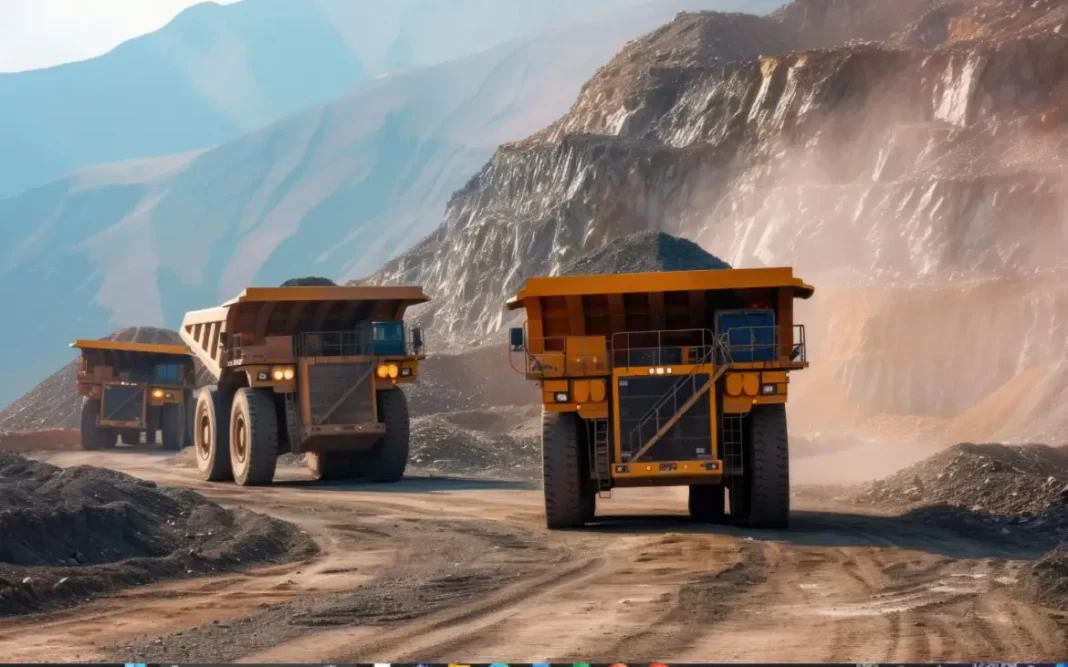
Ghana's mining sector is facing a credibility challenge that goes beyond the headline numbers. At the 2026 PR, Environment and Sustainability Seminar in Kumasi, industry leaders have demanded a fundamental shift: mining companies must demonstrate tangible improvements in communities, not simply publicise contributions in billions of cedis.
Ahmed Dasana Nantogmah, Chief Operating Officer of the Ghana Chamber of Mines, articulated the challenge clearly. While the sector contributed over GH¢24.2 billion in fiscal revenue in 2025, plus roughly US$7 billion in domestic spending and US$88.6 million directly invested in communities by Chamber members, these figures ring hollow if residents cannot see the difference in their daily lives.
"People want evidence. Our task is not simply to tell people what mining creates; our task is to show it," Mr. Nantogmah said, urging the industry to move "from publicity to proof." The message reflects a growing reality: Ghanaians are increasingly skeptical of corporate claims, particularly as misinformation spreads rapidly online and citizens demand accountability.
The real test: visible community benefits
The core issue is whether mining's economic contributions actually translate into measurable improvements where it matters most—in the communities where extraction takes place. Mr. Nantogmah posed a direct question: "If we go into the mining communities, are we going to see that impact?"
True impact, he argued, should be evident in several concrete ways: stronger local businesses, visibly improved livelihoods, better infrastructure, sustainable employment opportunities, and tangible benefits that residents experience firsthand. Currently, many mining communities continue to struggle with inadequate roads, limited healthcare and education facilities, and limited economic opportunities beyond mining itself.
The Chamber also called for a strategic rethink beyond current revenue maximisation. Higher gold prices should enable Ghana to attract more exploration investment, increase mineral output and extend mine operational lifespans—creating longer-term employment and economic stability rather than focusing purely on extracting maximum revenue from existing operations.
From local buying to local making: the missing link
One critical gap the industry identified is the jump from local procurement to domestic manufacturing. Mining companies purchase goods locally, but many still rely heavily on imported components, meaning little value actually stays in Ghana. A transition to greater domestic manufacturing could multiply the sector's contribution to the economy and create skilled jobs.
Why it matters for Ghana
This debate reflects deeper questions about mining's role in Ghana's development. The sector remains crucial to national revenues and foreign exchange, yet mining communities frequently report feeling left behind. Citizens in regions like Ashanti, Western North and Upper East, where major mining operations are concentrated, often point to environmental degradation, water pollution and insufficient benefit-sharing as persistent problems.
Donald Gwira, Vice President of the Institute of Public Relations Ghana, reinforced the stakes: "Reputation is communicated, but trust is earned." Trust, he explained, grows only when an organisation's statements, actions and stakeholder experiences align consistently. This principle applies directly to mining companies facing sceptical publics.
Gwira also challenged public relations professionals to move beyond crisis management. Rather than being called in after controversies erupt, communicators should be embedded in strategic decisions from the start, helping identify emerging issues and shape proactive responses that reflect genuine stakeholder concerns.
For Ghana's mining industry, the message is unambiguous: in an era of public scrutiny and information transparency, credibility depends not on the scale of contributions announced, but on the industry's ability to deliver and demonstrate concrete, measurable results in the communities and economy it affects.
Source: The Ghana Report




Comments (0)
Be the first to comment.