Ghana's Minerals Commission assumes control of Adamus Resources mine amid operational concerns
.jpg)
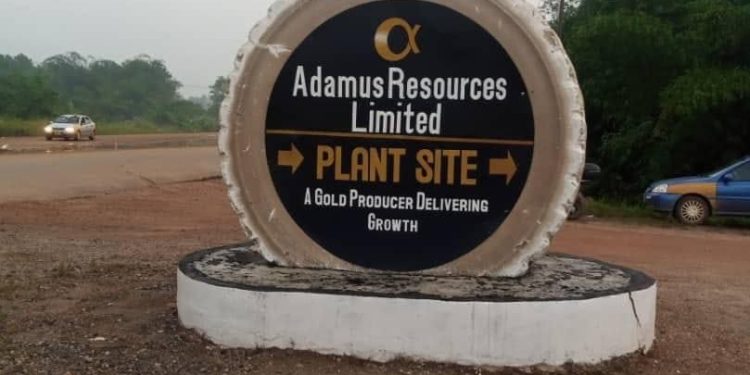
Ghana's government has moved to place the Adamus Resources mining operation under the direct administrative control of the Minerals Commission, signalling heightened scrutiny of investment standards in the country's critical mining sector. The intervention, announced by the Lands Minister to the mine's interim management committee and workforce, reflects growing concerns about operational performance and alignment with national investment priorities.
The directive represents a significant step in government's oversight of large-scale mineral extraction projects. By transferring administrative authority to the Minerals Commission—the regulatory body responsible for managing Ghana's mineral wealth—the state aims to ensure that mining operations meet required standards and deliver anticipated benefits to the nation.
What prompted the intervention
The takeover follows what officials characterise as outstanding operational challenges at the facility. Rather than approaching the situation punitively, the government has framed the intervention as collaborative, with the Minerals Commission tasked to work alongside existing management and workers to resolve these issues. This approach suggests the problems may be operational or structural rather than indicating outright regulatory violations.
For workers at the site, the development carries both reassurance and uncertainty. Government involvement typically signals commitment to maintaining employment and operational continuity, yet administrative takeovers can lead to restructuring and management changes that affect working conditions and job security.
Why it matters for Ghana
Mining remains one of Ghana's most important revenue sources and a significant employer, particularly in regions like the Western Region where Adamus operates. Government intervention in individual mines affects broader investor confidence in Ghana's mining sector—a sector that competes for capital with operations across West Africa and globally.
The action reflects government's determination to ensure that mining concessions genuinely serve national interests. Ghana has long grappled with questions about whether mining returns fairly compensate for environmental costs and community impacts. By actively managing problematic operations, authorities aim to demonstrate that the sector is regulated competently and that investors must maintain operational standards.
The Minerals Commission's involvement also signals that government is prepared to intervene directly rather than rely solely on passive regulatory oversight. This could reshape how mining companies approach operational planning and community relations, knowing that underperformance may trigger state involvement.
Next steps and implications
The Minerals Commission will now work to diagnose specific operational challenges—whether these relate to production targets, environmental compliance, worker safety, or community-related issues remains to be clarified. The collaborative approach suggests government hopes to restore normal operations rather than pursue licensing revocation or extended control.
For Ghana's broader mining sector, this intervention may prompt other operators to review their own operational standards voluntarily. It also provides an opportunity for government to demonstrate effective regulatory action, potentially strengthening its credibility in overseeing the sector's development.
Source: 3News



Comments (0)
Be the first to comment.