Ghana's Growing Role in Global Cocaine Trafficking: What Recent Seizures Reveal
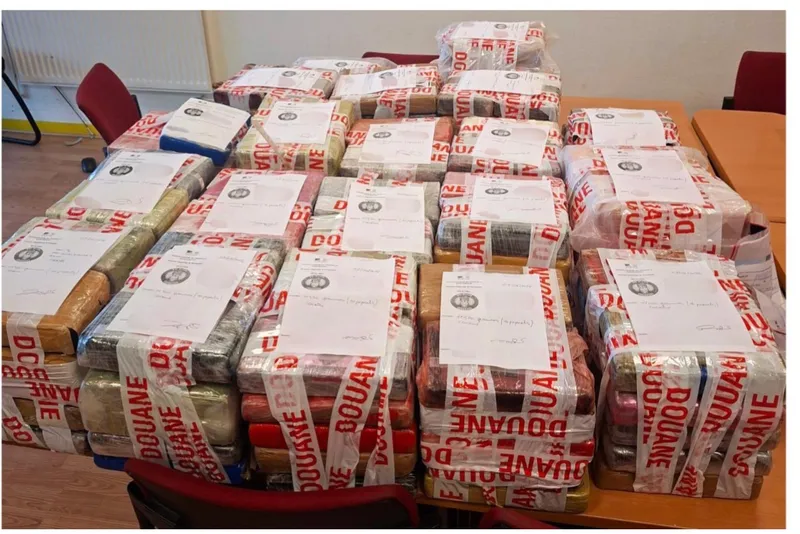
Ghana faces mounting international scrutiny over its involvement in global Class A drug trafficking, with fresh revelations from French prosecutors highlighting how organised criminal networks exploit the country as a transit hub for massive cocaine shipments destined for European markets.
According to French authorities, a criminal network suspected of orchestrating a significant cocaine consignment had already been under surveillance before customs officials discovered the drugs. The investigation underscores how Ghana's ports and logistical infrastructure have increasingly become targets for international drug cartels seeking efficient routes into Europe.
The Scale of Ghana's Drug Transit Problem
Ghana's position on West Africa's coastline, combined with its relatively developed ports and transport networks, has made it an attractive choice for smugglers moving cocaine from South American producers through African routes. Unlike traditional Caribbean pathways, West African corridors like those through Ghana offer criminals greater anonymity and weaker enforcement in some instances.
The involvement of sophisticated criminal networks—as evidenced by the French case—suggests this is not casual trafficking but rather organised, industrial-scale operations. Tonnes of cocaine regularly move through the region, with Ghana serving either as a transhipment point where drugs are briefly processed before onward movement, or increasingly, as a marketplace where local distribution networks have emerged.
Why This Matters for Ghana
Ghana's reputation and security are at stake. International drug trafficking designation can trigger:
- Enhanced scrutiny of Ghanaian exports and shipping, slowing legitimate trade
- Potential sanctions or travel restrictions on officials seen as complicit or negligent
- Destabilisation of communities as local gangs compete for control of distribution routes
- Corruption of security and customs personnel, weakening institutional integrity
The French investigation demonstrates that Western nations are actively tracking supply chains through Ghana. This means Ghanaian authorities face pressure to demonstrate competence and commitment to disrupting trafficking, or risk international isolation and loss of trading privileges.
Beyond geopolitics, the social cost is real. Drug trafficking attracts organised crime, fuels gang violence, and diverts police resources from other crimes affecting ordinary Ghanaians. Communities near ports or major transport hubs become exposed to violence and addiction as local markets develop.
The Road Ahead
Ghana's response will require strengthened customs training, intelligence sharing with international partners, and investment in port security infrastructure. The Narcotics Control Board and other agencies must be adequately resourced to keep pace with increasingly sophisticated smuggling operations.
The French case is a warning: Ghana is not invisible to international law enforcement. Traffickers operate through Ghana because they perceive opportunity—but sustained pressure from European and American authorities, combined with domestic action, can change that calculation.
Source: 3News


Comments (0)
Be the first to comment.