Ghana's Gen Z braces craze: dental trend or health hazard?
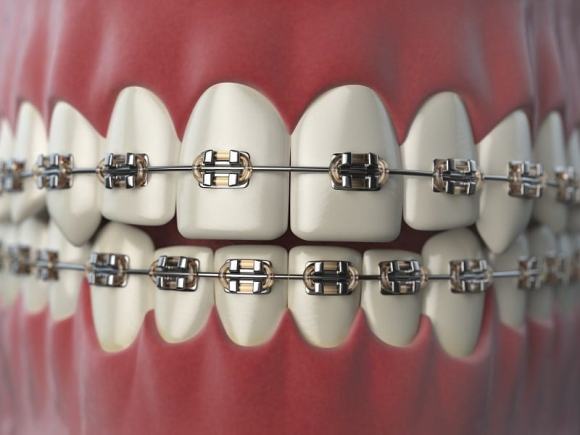
A new fashion trend is sweeping through Ghana's youth population: dental braces worn not for medical necessity, but purely for aesthetic appeal. What began as a practical orthodontic solution has evolved into a status symbol and style statement among Generation Z, mirroring earlier fads like wearing spectacles for perceived intelligence and class. However, dental professionals are raising alarm bells about the hidden dangers of this trend, particularly when braces are obtained without proper clinical assessment or professional supervision.
The shift reflects broader patterns in how Ghanaian youth adopt and adapt global fashion trends. Just as spectacles once became coveted accessories regardless of actual vision problems, braces are now being sought by young people and even some adults who have no underlying dental conditions requiring treatment. The question facing Ghana's health authorities and dental regulatory bodies is whether adequate safeguards exist to distinguish between patients who genuinely need orthodontic treatment and those simply chasing a trend.
Understanding braces: medical device, not accessory
Orthodontic braces are precision medical devices designed to correct specific dental problems. They work by applying controlled, continuous pressure to gradually move teeth into proper alignment. Common conditions they treat include crowded teeth, gaps between teeth, and malocclusion—where upper and lower teeth fail to fit together correctly when the mouth closes. Beyond cosmetic improvement, properly prescribed braces can significantly enhance oral function, making teeth easier to clean, reducing decay risk, and improving chewing and speech.
Several types of braces exist, from traditional metal brackets to ceramic options and modern clear aligners. The choice depends on the severity of the condition and professional recommendation. Orthodontists typically recommend treatment between ages nine and 14 when jaw and facial bones are still developing, though adults can also benefit from treatment.
When supervised by qualified professionals, braces do cause temporary discomfort—soreness after fitting or tightening, mouth irritation, and occasional jaw pain—but these effects are managed and monitored throughout treatment. This professional oversight is crucial and distinguishes legitimate treatment from fashion-driven applications.
The real risks of unsupervised and unnecessary braces
Wearing braces without genuine orthodontic need or obtaining them from unqualified practitioners exposes individuals to serious health consequences. Unnecessary pressure can move healthy teeth out of alignment, creating new problems rather than solving existing ones. Documented risks include:
- Tooth decay and permanent white or brown staining from plaque accumulation around brackets
- Swollen or bleeding gums that may progress to serious gum disease
- Gum recession and loss of bone support for teeth
- Shortening of tooth roots from improper pressure application
- Enamel damage during bracket attachment or removal
- Mouth ulcers, cuts and irritation from poorly fitted wires or components
- Infection from non-sterilised instruments or inappropriate materials
- Bite misalignment causing jaw pain, headaches and chewing difficulties
- Nerve damage requiring root canal treatment in severe cases
- Potential choking hazard if components detach
Why this matters for Ghana
Ghana's dental regulatory framework must confront this emerging trend head-on. The country lacks widespread awareness about the distinction between cosmetic desire and clinical necessity in orthodontics. Many young Ghanaians may not understand that braces are medical devices requiring professional assessment, not fashion items available through informal channels or unqualified practitioners.
The informal dental sector, which serves significant portions of Ghana's population, may not have adequate training or regulation to distinguish appropriate candidates for braces. Without clear guidelines and enforcement, vulnerable young people could suffer permanent dental damage in pursuit of a trend. Ghana's dental association and health regulatory authorities should prioritise public education campaigns explaining the risks of unsupervised braces, establish clear clinical protocols for orthodontic assessment, and strengthen oversight of anyone offering orthodontic services.
Parents, educators, and healthcare workers must also be equipped to counsel young people that dental health is not a fashion statement. The temporary social appeal of braces pales against the potential for lifelong dental complications. As Ghana continues developing its healthcare infrastructure, integrating robust orthodontic oversight into dental regulation is essential to protect youth from preventable harm.
Source: MyJoyOnline



Comments (0)
Be the first to comment.